
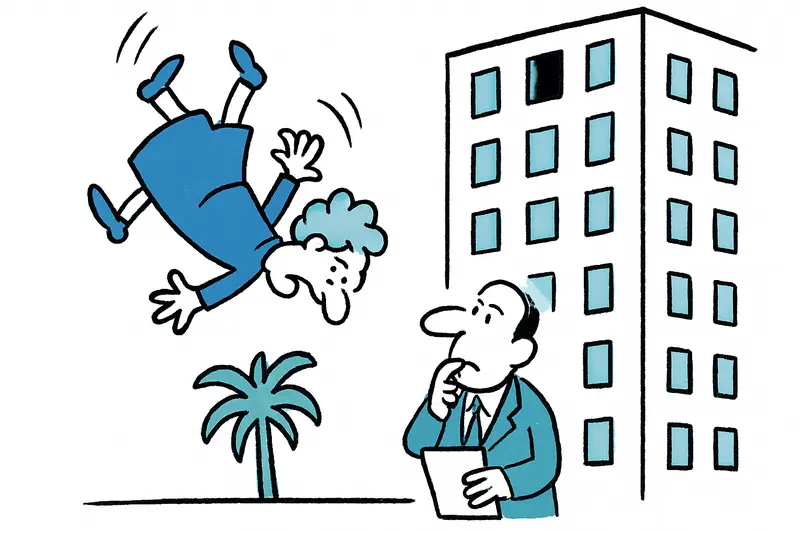
Tragic fall in Palma: What do we know — accident, suicide or third-party involvement?
A 76-year-old woman fell on Tuesday evening from the 11th floor into the courtyard of a building in Foners. The homicide unit is investigating; many questions remain open. A reality check.
Tragic fall in Palma: What do we know — accident, suicide or third-party involvement?
The key question
On Tuesday evening at 19:47 a 76-year-old resident of a multi-family building in Foners lost her life after falling from the eleventh floor into the building courtyard. The Spanish National Police sent the homicide unit to clarify the cause of death. What we know: location, time, age of the deceased, emergency services on site, investigation ongoing. What we don't know: the exact sequence of events, technical circumstances at the scene, familial or psychological background, and any witness statements in reliable form. This raises the central question: was it an accident, suicide, or an act by a third party — and why have so many details not been made public so far?
Critical analysis
The factual basis is sparse and therefore vulnerable to speculation. That the homicide unit has taken over the investigation does not automatically mean a violent crime occurred — rather, this is standard procedure when the circumstances of death are unclear; similar procedures were followed in other local reports such as Fall in Palma: An elderly man, a balcony and many unanswered questions. The presence of the local police and SAMU 061, as well as the declaration of death by the on-duty forensic physician, are fixed points. Important gaps remain: were there signs of technical failure (broken railing, window lock), a health problem of the woman, or third-party involvement? Were building cameras reviewed, or roommates and neighbors questioned? The public is often given only the bare minimum — that protects ongoing investigations, but makes it difficult to build trust.
What is missing in public discourse
In the days after such incidents, as seen in cases like Fall in Can Pastilla: More Than an Accident? and Fall at Ballermann: Why a Morning on Playa de Palma Can Turn into an Accident, motives are quickly speculated about. Missing information fuels rumors that burden neighbors. There is a lack of transparency about investigation standards: which traces are prioritized, how are statements collected in flats with multiple residents, and how are affected witnesses handled? A structural view is also missing: how safe are elderly residents on upper floors, are there mandatory inspections of balconies, window restrictors, or light wells — and how often are support offers for mentally stressed seniors actually used?
Everyday scene from Palma
Walking through Foners in the evening you hear the distant roar of boats on the Passeig Marítim, the mixed sounds from bars and the clatter of shops closing. In such streets people know each other; the cafés see the same faces. At the building where the accident occurred, neighbors gathered, some with wet eyes, others staring in shock. Blue lights reflected on wet pavement, the smell of cold sea blew through the courtyard. These situations remain: neighbors later tell how they could not sleep at night, or grandchildren who knocked on the door in vain.
Concrete solutions
1) More transparency and information from authorities: without revealing details, the police should regularly report on the status of investigations to counter rumors. 2) Check safety in old buildings: municipalities could introduce mandatory inspections of railings, window restrictors and light wells for residential buildings above a certain height. 3) Expand local prevention offers: general practitioners, social services and volunteer organizations need binding ways to systematically reach older people — short check-ins, information brochures, neighborhood networks. 4) Training for responders and witness support: rescue workers and police should routinely ensure access to psychological support for affected witnesses. 5) Make emergency numbers more visible: besides the European emergency number 112 there are services such as Teléfono de la Esperanza (+34 971 46 11 12); emotional crises should not only appear in reporting but must be more visible locally.
Pointed conclusion
The case in Foners is shocking because it happened in the middle of a neighborhood many consider familiar. The homicide unit's investigation is necessary, but as long as central information is missing, mistrust grows. The most sensible response by the city would be not only to clarify the individual case, but to look at everyday safety and support structures for older people. The police must be able to do their work — the urban community must learn and act from it, so that similar tragedies become rarer.
If you or someone near you has suicidal thoughts: in acute cases call 112. On Mallorca the Teléfono de la Esperanza helps at +34 971 46 11 12. For German-language help there are the free hotlines 0800 111 0 111 and 0800 111 0 222 and the site notfallseelsorge.de.
Frequently asked questions
Why do police in Mallorca sometimes hand an unclear death investigation to the homicide unit?
What is known after the fatal fall in Palma's Foners district?
Is it safe to swim in Mallorca during the cooler months?
What should I know before walking around Palma in the evening?
How much should people in Mallorca trust official statements during an ongoing police investigation?
What safety checks matter most in older apartment buildings in Mallorca?
What should neighbours do after a serious accident in a Palma apartment building?
Where can people in Mallorca get help in a mental health crisis?
Similar News
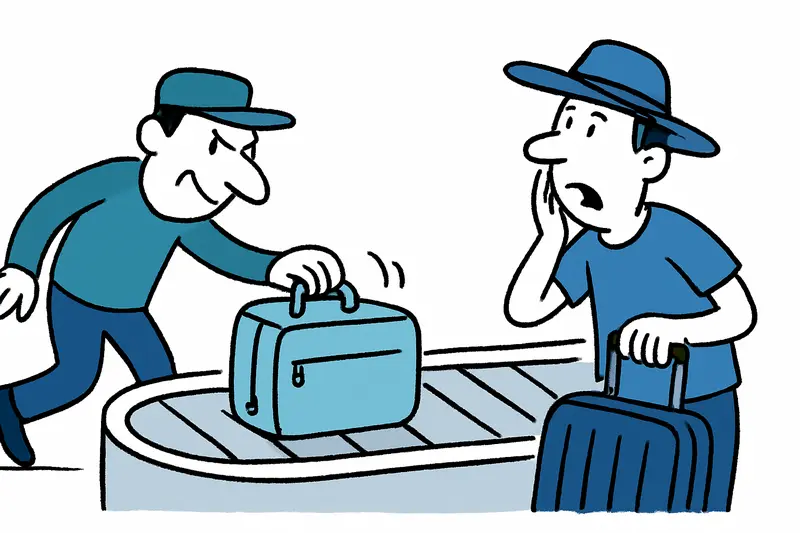
New trick at Palma Airport: suitcase stolen from the belt — a reality check
On September 28 a 36-year-old allegedly stole a suitcase from the baggage belt of a 51-year-old German passenger at Palm...
Urgent Clearing of Palma's Torrents: Flood Prevention or Symptom of Short-Sighted Planning?
The city of Palma is responding to storm forecasts and has cleared several torrents. We ask: Is the short-term clearing ...
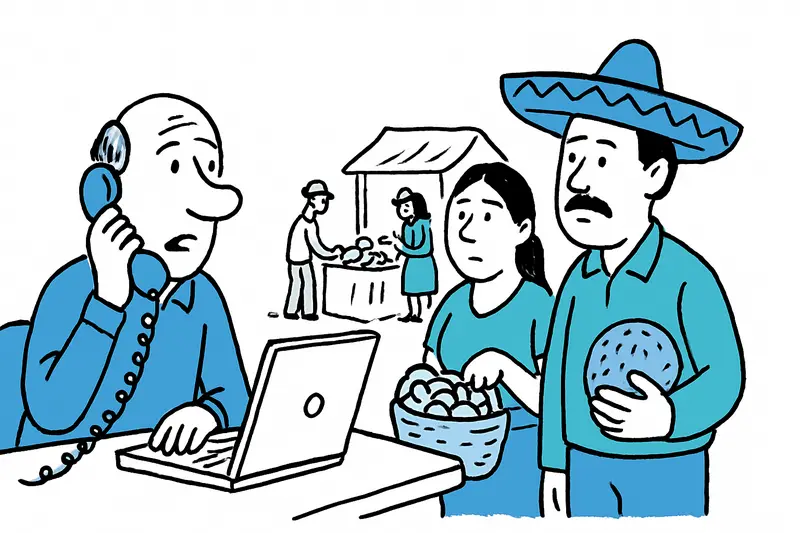
Evaneos and Mexico: A Reality Check for Sustainable Travel
Travel advertising often reads like a promise: local, sustainable, unique. But how deep do these promises really go? A c...
From Megapark to the Altar: Party Singer Now Offers Weddings in Mallorca
A well-known party artist combines partying and marriage: instead of a traditional church there are ceremonies at the Me...
The Maricarmen Case: Why an Eviction Is Forcing Spain's Housing Debate
Images of an 87-year-old woman on a stretcher have sparked a debate in Spain that also runs deep in Mallorca. Who protec...
More to explore
Discover more interesting content

Can Cap de Bou

Townhouse Lleo 72
