
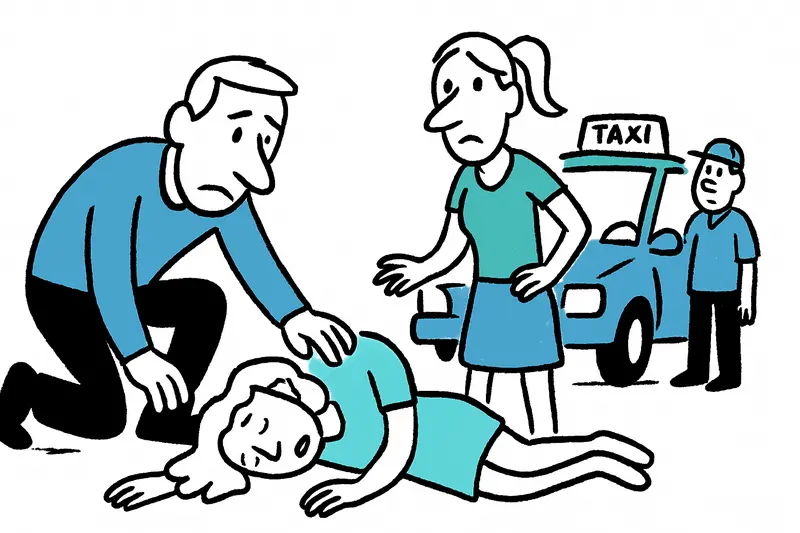
Trial in Palma: How safe are intoxicated women in Mallorca's nightlife?
Trial in Palma: How safe are intoxicated women in Mallorca's nightlife?
A man is accused of sexually assaulting a heavily intoxicated woman in her Palma apartment in 2022. The prosecution demands twelve years in prison. What does the case reveal about prevention, police work and everyday safety on the island?
Trial in Palma: How safe are intoxicated women in Mallorca's nightlife?
Key question: Is the current practice on the island sufficient to protect people who are no longer conscious after partying — or is there a gap between investigative and prevention policy?
In the evening the streets around Passeig Mallorca and the old town slowly quieten, taxi queues lengthen, music fades. It is in such hours that the scene now described in a court case in Palma unfolds: in the night of 30 October 2022 a man is said to have attacked a woman in her flat after she had fallen asleep heavily intoxicated. The prosecution is seeking twelve years in prison for the defendant and €25,000 in damages; there is also the allegation that substances may have been administered to the victim that impaired her memory. Controversy over sentences has featured in cases such as Suspended Sentence After Abuse in Palmanova: A Verdict That Raises More Questions.
The facts as they currently stand: the incident dates to late October 2022. According to the indictment, the accused entered the woman's flat and allegedly performed sexual acts while the victim was not capable of giving consent. A protection order for the woman was issued in January 2023. A witness — an accompanying friend of the victim — reported persistent amnesia that could not be explained by alcohol alone. Investigators are therefore also examining the possible use of incapacitating substances.
Legal framework: since the 2022 reform of Spanish criminal law the principle applies that only a clear consent permits any intimate act. Sleep, unconsciousness or a state in which a person is not capable of making decisions can constitute a lack of consent. In practice this change has altered the assessment of such cases; courts must carefully determine whether consent was present or not.
Critical analysis: Where investigation and protection may have failed
Investigations in cases with suspected use of incapacitating drugs face practical hurdles. Toxicological tests have a limited time window: blood and urine samples only deliver meaningful results if taken and processed quickly. On Mallorca, rapid laboratory capacity is sometimes lacking outside major court proceedings; samples may be delayed and evidence lost. When a companion reports amnesia, that is an important indicator — but not proof without forensic confirmation.
Reporting channels, the care of victims in emergency departments and coordination between police, medical staff and the prosecution are often the weaker links. Victims who are traumatised or heavily intoxicated do not always report immediately, witnesses disappear, flats are cleaned — traces evaporate. Incidents such as Assault at Palma Station: Why Visibility Alone Doesn't Protect underline how visible presence is not always sufficient.
What is missing so far in public debate
There is much discussion about sentencing and court procedures, but less about everyday protection: concrete routines in bars, taxi ranks and night shifts that could prevent attacks or reduce risk. Also rarely in the spotlight is how quickly toxicological analyses for suspected drug-facilitated assaults can be standardised and financially secured. And: victims are often not given clear information on which steps are advisable immediately after an attack, without overwhelming them.
On Mallorca's streets I often observe: women who are tired and alone in late-night squares, taxi drivers navigating between revellers and commuters, groups of people heading home. These everyday scenes show where preventive measures need to start — not only in the courtroom. Cases such as Playa de Palma: Probation after Elevator Assault — Enough Justice for Guests? demonstrate gaps that extend beyond judicial outcomes.
Concrete solutions
1) Rapid tests and laboratory network: establish a regional protocol that prioritises sample analysis within 24–48 hours. Funding through the island administration would reduce delays.
2) Training: regular further training for paramedics, emergency departments, police officers and bouncers on handling possible drug-facilitated cases — including clear checklists for securing evidence.
3) Visible safe routes: more well-lit taxi ranks and official meeting points in neighbourhoods with heavy night-time activity, better marked and communicated.
4) Information campaigns: simple notices in pubs and clubs (stickers, posters) about symptoms of incapacitating substances and the appropriate behaviour after an incident.
5) Anonymous reporting channels: apps or hotlines that allow quick reporting of incidents without forcing victims to file a full report immediately; this keeps options open while investigations can begin.
Conclusion
The upcoming trial in Palma is a reminder that prosecution alone is not enough. On Mallorca partying and tourism meet real vulnerabilities of people who are out at night. Those who promise protection must invest in policing, medical care and prevention. If the island seriously wants people to get home safely, it needs practical procedures, rapid forensic responses and visible protection offers — and all that before a judge hands down a verdict.
Frequently asked questions
How safe is Mallorca’s nightlife for intoxicated women, and what protections are in place?
What did the 2022 reform change about consent and cases of intoxication in Mallorca?
How quickly are toxicology tests handled after suspected drug-facilitated assaults in Mallorca, and what challenges exist?
What practical measures could improve protection in Mallorca’s bars, taxi ranks, and nightlife areas?
What information should victims in Mallorca receive immediately after an incident, to help them decide next steps?
If a witness reports amnesia after a night out in Mallorca, how is that treated?
Are there plans for safer, well-lit routes and meeting points in Mallorca's nightlife districts?
Why does the public debate in Mallorca focus more on sentencing than prevention, and what is being urged?
Similar News
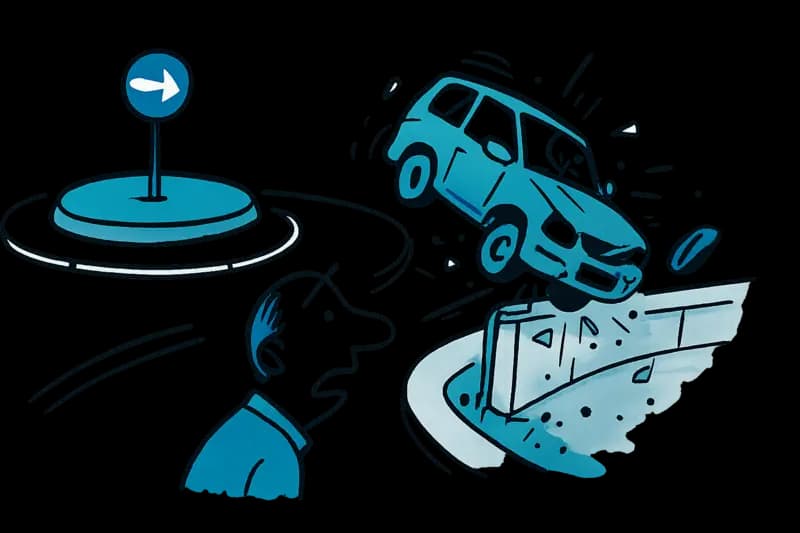
Serious Accident in Son Ferriol: A Car Falls from the Roundabout — What's Wrong with This Spot?
A 77-year-old driver fell on Saturday morning with his car from the upper part of a roundabout in Son Ferriol down to th...
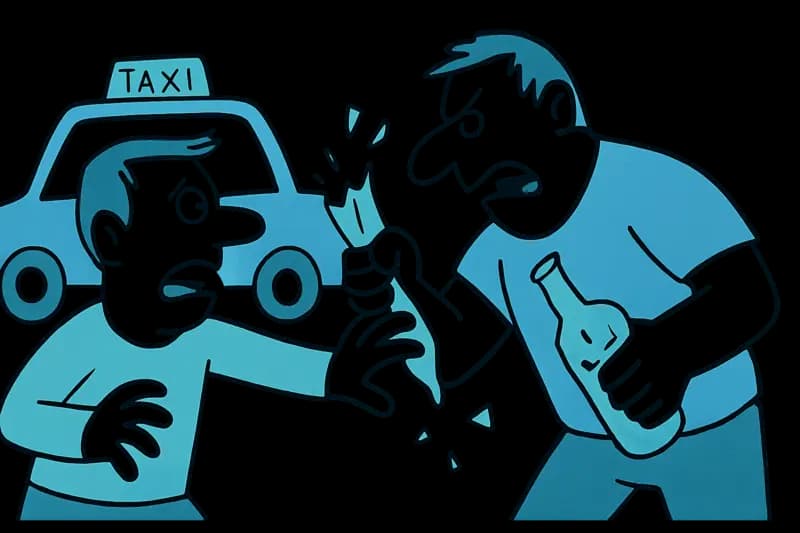
When a Taxi Fare Dispute Turns Violent: What the Magaluf Case Reveals About Safety and Prevention
In Magaluf a 2023 dispute over a taxi fare escalated: an 18‑year‑old British man is accused of seriously injuring a taxi...
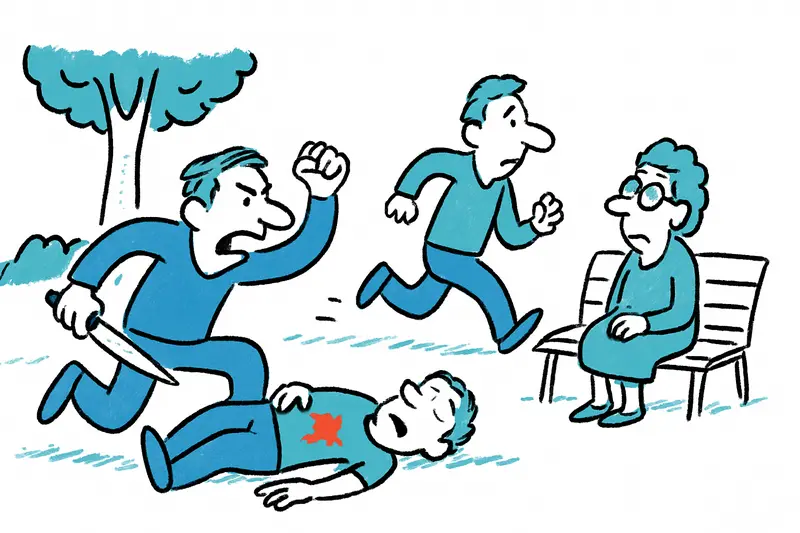
Bloody clash in Canòdrom Park: What is missing in addressing violence on Mallorca's streets?
At midday on October 23, an 18-year-old man was critically injured in Canòdrom Park in Palma. The attack raises question...

Palma raises bus fares: Who pays the bill for public transport?
Single tickets rise from €2 to €3, airport trips have a reference price of €4.50. It remains unclear whether residents w...
Palma's New Indoor Pool: Sea View, Sunbeds and Space for Everyone
At Aigua Dolça, near the Paseo Marítimo, Palma has a new municipal indoor pool. For a small fee people can now train, re...
More to explore
Discover more interesting content

Can Cap de Bou

Townhouse Lleo 72
