
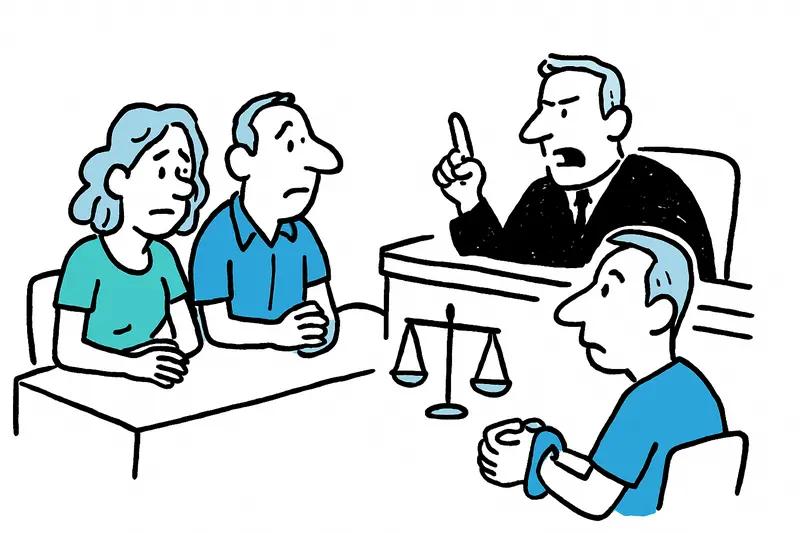
Trial in Palma: Who protects young guests at Playa de Palma?
Trial in Palma: Who protects young guests at Playa de Palma?
On Wednesday a trial begins at the Balearic court against three men over a serious sexual assault on a 19-year-old holidaymaker at Playa de Palma. A reality check: What do we know, what is missing from the discourse — and which measures would help?
Trial in Palma: Who protects young guests at Playa de Palma?
On Wednesday a case comes before the Balearic Regional Court that touches the island's nerves at the busy Playa de Palma. Three men are accused of jointly sexually assaulting a 19-year-old Dutch tourist in a hotel room in early August 2021. The core facts are brief: meetings in bars at Playa de Palma, return to the men's room, consensual sex between one woman and one defendant, later the assault in a bathroom, emergency treatment at Son Llàtzer hospital, numerous bruises, and ongoing psychological consequences since 2021 with psychiatric and psychological treatment. This case joins other incidents in the area, such as Playa de Palma at Night: Phone Tracking Catches Suspect — But What Does It Say About Our Safety?.
Key question
Why can such an assault take place in a place with so much tourism, police presence and nightlife — and what needs to change so that young guests feel safer?
Critical analysis
The facts reveal a pattern we observe too often on the island: alcohol, late hours, private rooms instead of public oversight. That an originally consensual contact turns into a brutal attack is not an isolated mistake but an interplay of situation, power relations and an environment that blurs boundaries. The criminal classification as continued sexual coercion and the public prosecutor's demand for nine years' imprisonment each plus compensation reflect the severity. By contrast, Palmanova verdict: Two years in prison — and what Mallorca must learn now shows different sentencing outcomes. Still, punishment alone is not enough to tackle the problem at its root.
What is missing from the public discourse
The debate too often remains at the level of individual case reports, often limited to headline cases like Playa de Palma: Probation after Elevator Assault — Enough Justice for Guests?. There is a lack of sober figures: How many sexualized assaults occur at tourist hotspots? What role do bars, night venues and alcohol availability play? It is also rarely discussed how well victims have access to interpreters, legal advice and psychological help in their native language. And finally: Rarely is it asked what prevention obligations hotels and bars actually have to meet.
An everyday scene from Palma
Anyone walking along the Passeig des Portixol in the morning sees the aftermath of the night: street sweepers, empty plastic cups, taxi drivers waiting tiredly for guests, and cleaning staff folding up parasols. Equally, there are hotel receptions early in the morning where confused guests ask questions — that is the other side of the party mile that rarely makes the headlines.
Concrete solution approaches
1) More visible presence: targeted foot patrols by the local police and Guardia Civil during night hours at Playa de Palma and adjacent streets. 2) Mandatory training for staff in bars and hotels: recognizing dangerous situations, intervening within the limits of their own safety, and fostering a culture of reporting. 3) Faster, multilingual victim support: designated contacts in clinics like Son Llàtzer and psychosocial services in English and Dutch. 4) Transparent reporting channels: anonymous online reporting and clear information in hotels about rights and emergency assistance. 5) Nightlife regulation: binding requirements for crowd management and lighting in and around venues as well as controls on alcohol distribution at highly frequented tourist spots.
Why this is feasible
Many measures cost less than expected and produce immediately visible effects: better lighting reduces assaults, regular police presence signals deterrence, and trained staff can intervene or call for help early. Language barriers can be mitigated with fixed interpreter contacts and digital tools.
Concise conclusion
This trial is more important than a verdict alone. It must be an occasion to anchor painstakingly translated solutions in practice — not just for statistics, but for the people who spend their holidays or live here. The question remains: Who owns the night — and who takes responsibility to ensure it does not become dangerous? If Palma does not find this balance, punishments remain case-by-case management instead of fundamental change.
Frequently asked questions
What safety tips should travelers follow when enjoying Playa de Palma nightlife?
If I or someone I know experiences harassment in Mallorca, where can I get help or report it?
What time of year is best for visiting Mallorca to enjoy sun and fewer crowds?
Are there services in place to help non-Spanish speakers affected by incidents in Mallorca?
What role can bars and hotels play in preventing safety issues in Playa de Palma?
What is Passeig des Portixol and how does it relate to Mallorca nightlife?
What services does Son Llàtzer hospital provide for tourists involved in incidents?
What concrete steps are proposed to improve night-time safety in Mallorca's tourist hotspots?
Similar News

Jeckliner at Sunnesching: Cologne spirit sets sail from Palma
In September 2027 the Mein Schiff 2 briefly becomes a floating carnival stage: four days with Cologne bands, comedy and ...
Finally Home: Mike and Leyla Heiter Buy Villa with Sea View in Mallorca
The reality TV couple Mike and Leyla Heiter have bought a house in Mallorca with a roof terrace and sea view. An Instagr...
Arrest after series in Palma: Who protects apartments from repeat offenders?
The National Police arrested a man in Palma who investigators say may have broken into several apartments. In one incide...
How a Teenager Without a Driver's License Stole a Rental Car — and What It Means for El Arenal
In El Arenal a minor took advantage of an unattended rental car with its engine running. Flight, climbing over walls and...
Three-ton llaut salvaged in Puerto Portals – volunteers clear microplastics from the harbor
During the weekend operation in Puerto Portals, divers pulled an approximately three-ton llaut from the harbor. Associat...
More to explore
Discover more interesting content

Can Cap de Bou

Townhouse Lleo 72
