
Twisted Heritage: What Went Wrong in the Conversion of the Possessió in Bànyols
Twisted Heritage: What Went Wrong in the Conversion of the Possessió in Bànyols
A technical report by the island council speaks of serious interventions at the historic estate in Bànyols: missing original tiles, an altered oil mill, and a filled-in cistern. Who protects the heritage — and how can it be restored?
Twisted Heritage: What Went Wrong in the Conversion of the Possessió in Bànyols
Guiding question: How could a listed country estate be altered so extensively that original fabric was lost — and who will now be held accountable?
A technical report from the island council lists numerous deviations between the approved restoration plan and what actually took place on the grounds of the old Possessió in Bànyols; the council's recent activities include Expropriation at Castell d'Alaró: End of a Dispute or New Flashpoint?.
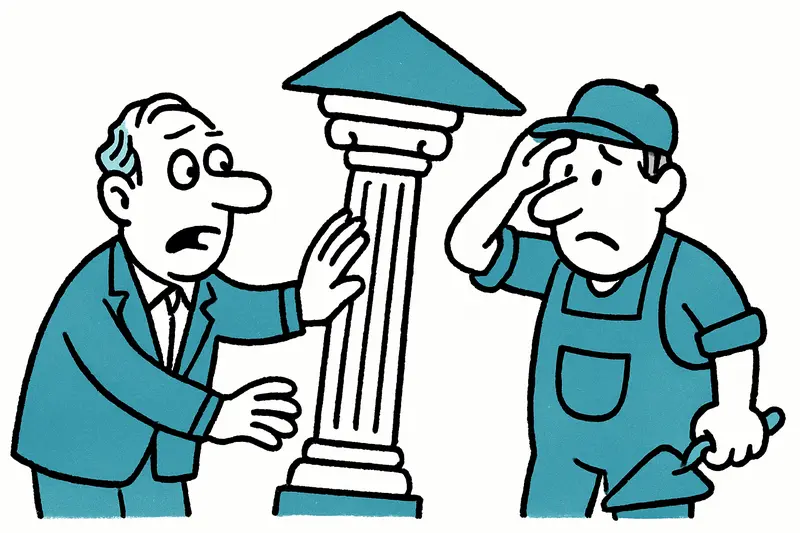
Original floor tiles and fixtures in the former oil mill are missing, load-bearing elements of the oil-press container are no longer present, a water tank was fitted with a gypsum lining and climate ducts, and the kitchen area saw the removal of the sink and historic tiles. The reports also document unplanned earthworks on the estate, which appears in both the municipal heritage list and the archaeological map; apparently a cistern and a well were filled in.
Critical analysis: At first glance this is a classic problem of "building by whim." What is decisive, however, is that a protected ensemble is affected here: not just individual parts, but elements that carry the materiality and narrative of the place. When original tiles, wall structures or hydraulic installations are removed without documented consideration, the building loses not only aesthetic value but also its significance as a cultural asset. Construction practices that favor modern reinterpretations over moderate restoration shift the boundary between preservation and redesign — often irreversibly.
What is missing from public debate: So far the discussion has focused too much on blame and possible fines. More important would be an open examination of systemic causes: How were the building permits checked? Were mandatory on-site archaeologist inspections required? Are photographic documentation and defined construction phases formally required and monitored, as highlighted by Hole in the Roof of Valldemossa Charterhouse: Wake-up Call for a Historic Quarter? Equally rarely asked is how buyers and investors can have defects remedied or reversed after acceptance — legally and practically.
Everyday scene from Alaró: On a cool morning in the village Plaça the bakers offer fresh bread while the bell tower rings and a delivery van carrying cement rumbles the short distance toward the Possessió. Three seniors on a bench discuss the changes at the estate; a young family stops, points at the enclosing wall and quietly asks whether this is still the same old oil mill they remember from their childhood. This mix of normality and surprise shows how closely cultural heritage is tied to everyday life.
Concrete solutions: 1) Immediate, binding inventories: record historical evidence, photographic documentation and a technical protocol agreed with an independent expert. 2) A catalogue of restoration measures: where original parts survive, they should be reinstalled or conserved where possible; lost elements may only be replaced with minimal interventions that are clearly distinguishable. 3) Archaeological supervision for all further earthworks and public access to finds such as wells or cisterns; approval only with written clearance from the responsible heritage authority. 4) Sanctions and restoration obligations quantified in euro values, linked to deadlines and control mechanisms. 5) Preventive measures: mandatory workshop protocols for heritage-appropriate craftsmen, qualification programs and a public register of approved interventions.
Why these steps are realistic: Authorities already possess the legal instruments — what is often missing are clear, practical procedural rules and the will to enforce them. Concrete, photographically documented conditions and deadlines make monitoring possible. And: The interests of owners, the municipality and the public can be aligned through binding restoration plans and financing mechanisms.
Pointed conclusion: This is not just about a few tiles or an altered oil mill. If we allow protected building fabric to disappear in the name of comfort or style, we lose more than a building in the long run: we lose the ability to read the island's history in its authentic materials. Recent incidents such as Collapse at Palma's City Wall: What Needs to Happen Now underline this risk. Punishing rule violations is not enough. What matters is that before, during and after any conversion, transparency, archaeological oversight and binding restoration obligations become the norm.
Frequently asked questions
What went wrong in the conversion of the Possessió in Bànyols, Mallorca?
Can a protected rural estate in Mallorca be altered during restoration work?
Why is archaeological supervision important during earthworks in Mallorca?
What should be documented before restoring a historic house in Mallorca?
Is Bànyols in Mallorca known for historic estates and old oil mills?
What happens if restoration work on a heritage property in Mallorca goes beyond approval?
How can buyers protect themselves when purchasing a historic property in Mallorca?
Why do heritage disputes in Mallorca often become a public issue?
Similar News

Fewer Airlines, Fewer Destinations: What Palma's Winter Flight Schedule Means for Mallorca
Analysis shows: Winter at Son Sant Joan Airport will be quieter, with significantly fewer airlines and destinations. Who...
German tourist dies in Sa Calobra – a reality check for emergencies on Mallorca's beaches
A 40-year-old tourist died at the Torrent de Pareis. The emergency call, a doctor who happened to be present, a defibril...
Deadly Tractor Accident in Bunyola: What Needs to Be Done Now
In a work accident on an estate near Bunyola, a roughly 40-year-old man lost his life. His wife and a small child were o...
Head-first dive into the shallow part of Cala Fonoll: An accident and the unresolved question of responsibility
A young tourist dove into Cala Fonoll and was seriously injured. Key question: Why are clear warning signs missing at da...
Mistaken identity with fatal consequences: Brutal assault in S'Aranjassa — what's missing in the follow-up?
At S'Aranjassa a visitor to a finca was tied up, beaten and thrown out of a van. Three men have been arrested, including...
More to explore
Discover more interesting content

Can Cap de Bou

Townhouse Lleo 72
