
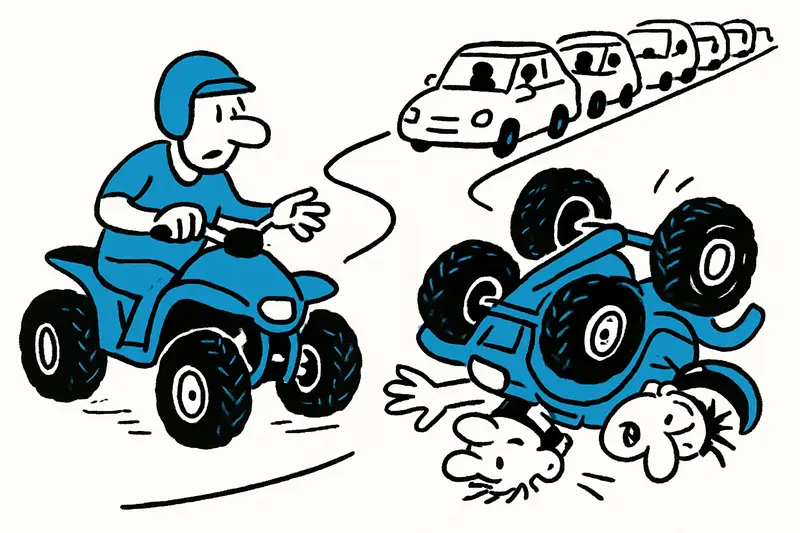
Two Injured in Quad Accident on the Way to Cap Formentor — Who Bears Responsibility?
Two Injured in Quad Accident on the Way to Cap Formentor — Who Bears Responsibility?
Two tourists were injured when two quads toppled on the narrow road to Cap Formentor. An accident that raises more questions than answers: Is tourism on this route still controllable?
Two Injured in Quad Accident on the Way to Cap Formentor — Who Bears Responsibility?
Key question: How safe are organized quad excursions on Mallorca's narrow coastal roads – and what is missing from the public debate?
At midday, when the sun was already warming the pines along the route and the cicadas filled the panorama, two quads tipped over on the winding road to Cap Formentor. Both riders were injured; the vehicles lay at the right-hand edge of the roadway, and the line of traffic behind them grew into a longer jam. It was an organized tour — not single riders, but group traffic on a stretch that is not suitable for all vehicle types, as reported in Quad accident in Andratx: A conflict between tourism and everyday life.
The core finding of accident research remains clear: quads are substantially riskier per kilometre driven than cars — studies estimate roughly twice the risk — see CDC All-Terrain Vehicle (ATV) safety page. Technically, part of the danger lies in driving dynamics: rigid rear axles and the construction of the vehicles lead to a pronounced tipping effect in tight corners. On a road that winds along the coast, those characteristics quickly become a problem.
Critical analysis: Several factors combine. First: vehicle design and dynamic limits. Second: rider experience — tourists who have only minutes or hours on such a vehicle often underestimate wheelbase, centre of gravity and reactions when leaning. Third: road conditions — narrow gaps, tight hairpins, changing surfaces and partly missing lay-bys. Fourth: tourist organisation — group tours concentrate inexperienced riders and increase conflict potential on the road.
What is missing from the public debate: the discussion too often stays on the surface. Rarely does it address operator liability, insurance coverage for organised trips or transparent accident statistics by vehicle type and region. Nor is the question answered which routes should be suitable for which vehicle categories — or whether some sensitive coastal sections must be completely off-limits to motorised leisure vehicles. The perspective of residents, hikers and conservationists is also underrepresented: soil erosion, noise and damaged paths are not abstract problems but tangible consequences.
Everyday island scene: Anyone who drives from the mirador to Formentor today knows the picture — tour buses, rental cars, cyclists, occasional hiking groups and the lively quad convoys with a jumble of foreign languages. Sightseers at the viewpoint stop, look down between pines and sea, and hear the engine noise that immediately changes the mood. Police and rescue vehicles weave through the jam with blue lights; locals nod resignedly — they have seen such incidents before, such as Accidente de cuatrimoto en Cala Pi: ¿Quién asume la responsabilidad?.
Concrete solutions, practical and locally implementable:
1. Permit and licensing system for operators: Only vetted providers with regular inspections may offer organised tours. Operational and safety standards should be part of the licence.
2. Mandatory short training and usage limits: A compulsory safety briefing with a practical check before every outing, limits on daily/route use per vehicle and a maximum permitted group size.
3. Technical requirements: Speed limiters, mandatory regular maintenance, clear vehicle identification and, where possible, a shift to quieter, lower-emission models.
4. Route management: Closure of particularly sensitive coastal sections, clear signage, designated turning and passing bays and approved routes that do not cross protected areas.
5. Better transparency and sanctions: Publication of accident data by vehicle type, mandatory insurance requirements for operators and meaningful fines for violations of route bans or safety rules.
These proposals are not unrealistic: municipal administrations, bicycle and hiking route planners and traffic authorities could negotiate practical rules together with the industry and residents. Small interventions, such as additional passing bays or more staff to manage traffic at hotspots, would deliver immediate safety gains.
Punchy conclusion: It is not only the quads' technology that tips over — sometimes the balance between tourism enjoyment, traffic safety and landscape protection collapses. Those who organise trips here must assume responsibility; those who keep the roads free must enforce clearer rules. Otherwise, in a few months we'll see the same scenes again: roaring engines, a traffic jam and two overturned vehicles at the roadside.
Frequently asked questions
What is the weather usually like in Mallorca in late spring?
Can you swim in Mallorca in spring and early summer?
What should I pack for a trip to Mallorca in the shoulder season?
Is Mallorca a good destination for outdoor activities in May?
What is Port de Sóller like for a day trip in Mallorca?
Is Sóller worth visiting if you are staying in Mallorca without a car?
What is the weather like in Palma de Mallorca in early season?
When is a quieter time to visit Mallorca for a more relaxed trip?
Similar News
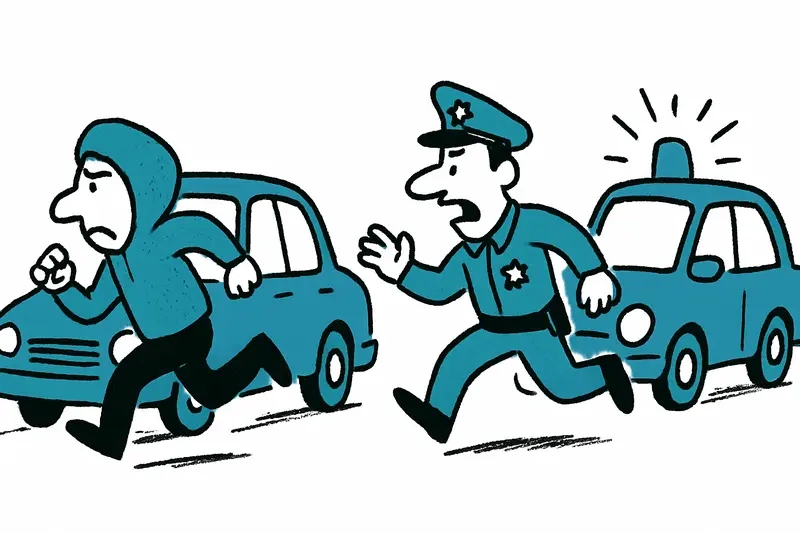
Rental Car Theft in El Arenal: What This Incident Reveals About Our Gaps
A teenager steals a running rental car in El Arenal, flees on foot, climbs over walls and is caught by the Guardia Civil...
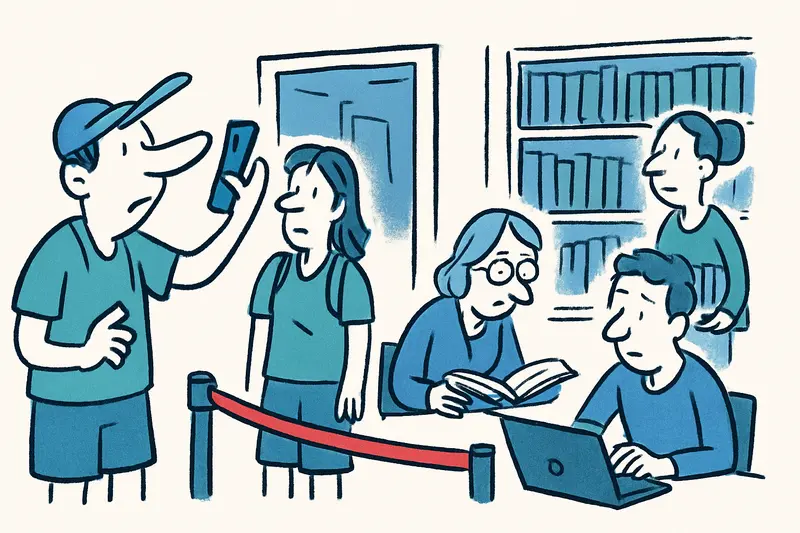
Red Rope in Palma's Library: What Helps Against Selfie Tourism — and What's Missing
Palma's city library cordoned off an area with a red rope to keep selfie tourism away from reading and working activitie...
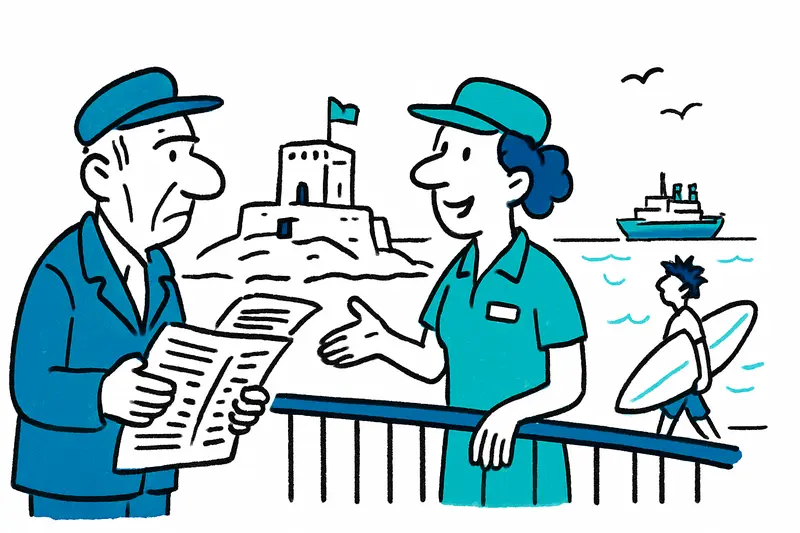
Fort San Carlos: Museum, Harbor Dispute — and a Conflict That Demands Answers
The military museum at Fort San Carlos sits right on Palma's harbor, with unexpectedly quiet rooms filled with cannons a...
Old Town Under Pressure: When a Doorway Becomes a Sleeping and Shower Place
For months a woman has been living with a parasol, a clothes rack and personal belongings next to the social welfare off...
When Shopping Weighs Heavier: Mallorca Demands a Tax Pause on Food and Fuel
Rising prices are putting pressure on households and agriculture. The Balearic Islands are calling for temporary tax rel...
More to explore
Discover more interesting content

Can Cap de Bou

Townhouse Lleo 72
