

UIB suspends lecturer after serious abuse allegations — A reality check
UIB suspends lecturer after serious abuse allegations — A reality check
A lecturer at the UIB faces charges of murder and abuse: a newborn was admitted to hospital with multiple bone fractures. The university has suspended him; the public prosecutor seeks 15 years in prison. What does this say about protection and oversight at academic institutions?
UIB suspends lecturer after serious abuse allegations — A reality check
The University of the Balearic Islands (UIB) has provisionally suspended one of its lecturers. He is the subject of criminal proceedings: he is alleged to have repeatedly beaten and shaken his newborn baby over months. When the child was admitted to hospital, numerous bone fractures were discovered. The public prosecutor is demanding a 15-year prison sentence; the trial was postponed to April 2027 because of a new medical expert opinion. Similar debates followed a Suspended Sentence After Abuse in Palmanova: A Verdict That Raises More Questions.
Key question
How can a public institution like the UIB ensure that both the protection of victims and rule-of-law procedures are carried out transparently and credibly — without premature condemnation and without cover-up?
Critical analysis
The suspension is an immediate response that signals: the university distances itself from the accused person. This is necessary to protect students and colleagues and to safeguard the institution's reputation. But suspension is not the same as clarification. The central questions concern procedures and prevention: Were there earlier signs from the environment that were not sufficiently registered? How quickly did the university leadership act once investigations became known? And how are students and staff informed without endangering the ongoing proceedings? There is a tension here: public accountability versus the protection of investigations and the privacy rights of all involved.
What is missing in the public discourse
The public debate often focuses only on the sentence or on sensational aspects. Missing topics include internal reporting channels at universities, psychosocial support for those affected, and possible controls for staff who have particularly close contact with children. Rarely asked are questions such as: What role do student complaint offices or internal support centers play, and are they adequately staffed? In Mallorca people tend to talk quickly about individual cases — but less about systemic issues. Local reporting of incidents such as Court Convicts Tourist After Assault in Llucmajor: How Safe Are Hotel Employees Really? shows this tendency. Also often absent is attention to preventive training, mandatory background checks, or concepts for protecting children in institutions.
Everyday scene from Palma
You can better imagine the situation if you walk along the UIB campus on an ordinary morning: delivery vans honk on Avenida de Gabriel Roca, students with takeaway coffees hurry between lecture halls and the library. Conversations revolve around seminars, exams, the next beach day. In such routines, an incident can quickly feel like a foreign body — and therein lies the danger: routine can cause warning signs to be overlooked because everything "must go on."
Concrete solutions
Prevention and transparent procedures can be improved in concrete ways. Proposals that could be implemented on Mallorca include:
1) Strengthen reporting and protection pathways: The UIB should have clear, low-threshold reporting channels, including external trusted contacts so that whistleblowers can remain anonymous. Such channels must be communicated regularly.
2) Independent investigation commission: In cases with serious allegations, an independent commission should ideally be appointed that not only conducts disciplinary reviews but also analyzes working conditions, possible warning signs and prevention gaps.
3) Psychosocial support: Affected relatives, colleagues and students need rapid access to counseling services. The university could strengthen cooperation with local counseling centers and psychologists.
4) Training and background checks: Regular training on child welfare, violence prevention and de-escalation as well as standardized background checks for staff who may have close contact with persons under their care.
5) Transparent communication: The university must publicly explain which steps it is taking internally without compromising the investigation. Regular situation reports build trust in how allegations are handled.
Why this matters for Mallorca
The UIB is more than a workplace: it is part of the island's social fabric. If schools, universities and public institutions are to remain places of trust, they need comprehensible mechanisms that protect victims while ensuring fair procedures. Only then does the educational landscape remain a secure support for families, students and teachers.
Concise conclusion
Suspension is a necessary first step — but not a substitute for transparency, prevention and independent review. Mallorca must not be content with explanatory headlines: we need to question the structures behind such cases so that an incident does not disappear again into a context of routine and overlookability. For victims and relatives, only one thing ultimately counts: credible protection and thorough clarification.
Frequently asked questions
What is the weather usually like in Mallorca in spring?
Can you swim in Mallorca in spring?
What should I pack for a trip to Mallorca in spring?
Is spring a good time to visit Mallorca?
What is Port de Pollença like in spring?
Is Alcúdia a good place to stay in Mallorca in spring?
What can you do in Mallorca if the spring weather is mixed?
Do you need a jacket in Mallorca during spring evenings?
Similar News

Rental Car Theft in El Arenal: What This Incident Reveals About Our Gaps
A teenager steals a running rental car in El Arenal, flees on foot, climbs over walls and is caught by the Guardia Civil...
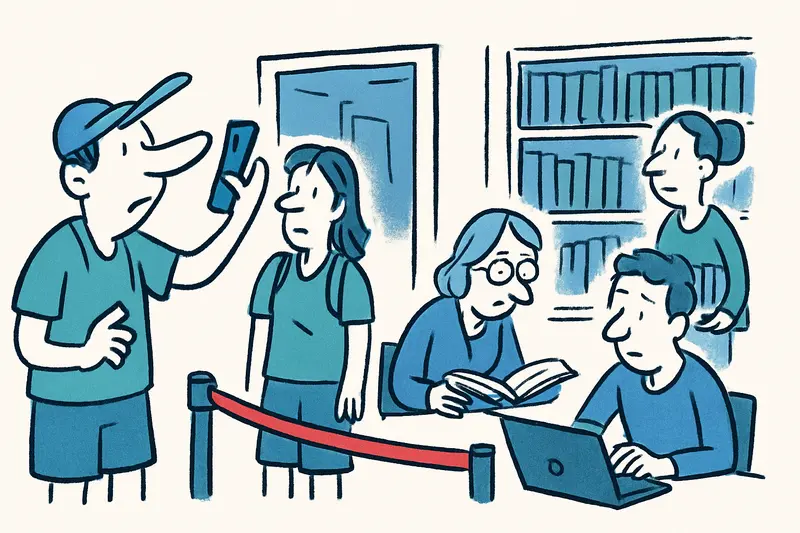
Red Rope in Palma's Library: What Helps Against Selfie Tourism — and What's Missing
Palma's city library cordoned off an area with a red rope to keep selfie tourism away from reading and working activitie...

Fort San Carlos: Museum, Harbor Dispute — and a Conflict That Demands Answers
The military museum at Fort San Carlos sits right on Palma's harbor, with unexpectedly quiet rooms filled with cannons a...
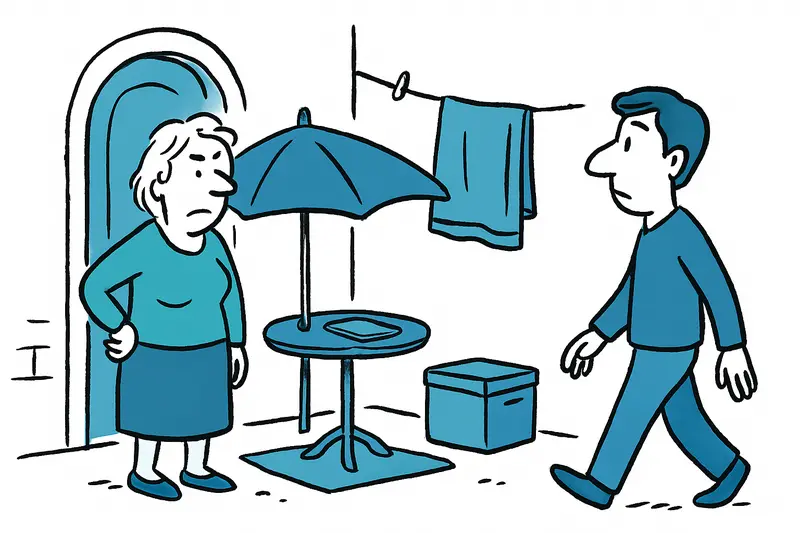
Old Town Under Pressure: When a Doorway Becomes a Sleeping and Shower Place
For months a woman has been living with a parasol, a clothes rack and personal belongings next to the social welfare off...

When Shopping Weighs Heavier: Mallorca Demands a Tax Pause on Food and Fuel
Rising prices are putting pressure on households and agriculture. The Balearic Islands are calling for temporary tax rel...
More to explore
Discover more interesting content

Can Cap de Bou

Townhouse Lleo 72
