
Uncertain future for German shop at Playa de Palma: What will happen to "Sam"?
Uncertain future for German shop at Playa de Palma: What will happen to "Sam"?
A German supermarket at Playa de Palma is in the spotlight: employees are surprised by rumors of closure, and customer allegations of spoiled goods raise questions about control and responsibility.
Uncertain future for German shop at Playa de Palma: What will happen to "Sam"?
Key question
Is the possible closure of the German grocery store known since 2007 at Playa de Palma the result of a single conflict — or a symptom of deeper problems concerning consumer protection, oversight and store management?
Critical analysis
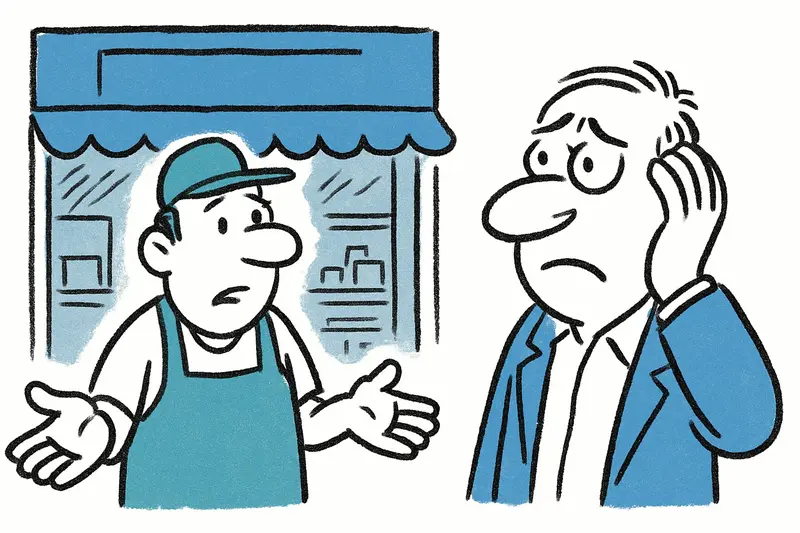
The headlines of recent weeks have focused on allegations: in mid-January a customer reported a moldy, already expired pack of sliced sausage; since then other buyers have reported poor experiences with fresh products online. At the same time, news is circulating that the owner intends to close the store this year. Staff on site said they only learned of concrete closure plans from the media and appeared surprised. Observing the shop on a Friday afternoon, one hears the steady hum of the refrigeration units, sees travelers with shopping baskets and retirees picking up bread – not a clear picture of an imminent closure, but rather of uncertainty.
From the mix of customer complaints and staff statements that they received no official plans, three problem areas can be identified: first, transparency toward employees and customers. If staff learn about existential decisions only from the press, internal communication is failing. Second, quality assurance and supply chain control. Reports of spoiled goods indicate gaps in inventory management — for example temperature control, stock rotation or supplier checks. Similar cases have led to seizures, such as the 231 kilos of spoiled meat seized at a plant south of Palma. Third, public perception: in a neighborhood where many residents and tourists expect German products, a few incidents are enough to damage trust.
What is missing from the public debate
The debate has so far remained superficial. Concrete information is missing on official inspections (dates, results), on the testing and recall chain of the contested products and on store procedures for goods receipt and refrigeration. Past incidents such as the Salmonella outbreak at Playa de Palma show why published results matter. Also scarcely examined are the role of local consumer protection agencies, possible labor-law tensions behind the scenes and whether language barriers or seasonal business create particular conditions that favour mistakes. Enforcement can also provoke tensions, as reported in Tumults at Playa de Palma: When Controls Threaten the Beach Scene.
Everyday scene from Palma
In the afternoon a mild breeze from the sea carries the scents of the beach cafés along Avinguda Miramar. Retiree Maria from Son Gotleu pushes her walker past, greets the cashier who has handed her rolls for years. Nearby, two German guests discuss refrigeration temperatures and best-before dates while Schlager hits play softly from the market. These small, daily encounters explain why the shop is more than shelves for many: it is a place of brief conversations, quick help, but also of expectations — which now appear fragile.
Concrete solutions
1. Immediate disclosure by the owner: a clear statement to staff and customers, with a timetable for decisions. Uncertain rumours do more harm than open words. 2. Inspection by the food safety authority: local authorities should systematically review the recent allegations and publish the results. That builds trust or reveals the need for action. 3. Internal quality campaign: training on stock rotation (FIFO), uninterrupted temperature logs for cold chains and strict acceptance checks on deliveries. 4. Improved complaint channels: an easily accessible reporting system for customers with documented follow-up, ideally multilingual. 5. Social-partnership approach: if the business closes, employees should be informed early; joint talks with a works council or employee representatives could mitigate hardships. 6. Communicative transparency: when products are removed from the range or recalled, origin and batch numbers should be published so consumers know if they are affected.
Conclusion
The story of the German supermarket at Playa de Palma is more than a sequence of isolated incidents. It touches on consumer protection, personnel management and municipal responsibility. Our island relies on small shops that must convey reliability. People who shop here expect not only domestic sausage or bread, but also trust. Therefore the best approach would be: openness instead of speculation, clear inspections instead of guesswork — and a plan that does not leave employees and customers in the dark.
Frequently asked questions
Is the German grocery shop at Playa de Palma closing soon?
What complaints have been made about the German shop at Playa de Palma?
How important is food safety at shops in Mallorca’s tourist areas?
What should customers do if they buy spoiled food in Mallorca?
Why do shop closures in Playa de Palma often affect more than just customers?
What role do food inspections play in Mallorca supermarkets?
What is special about shopping at Playa de Palma for German products?
How should a Mallorca shop communicate if it may close?
Similar News
Reality check: Palma's "white" torrent — harmless salt or neglected warning sign?
White crusts on the Torrent de Sa Riera are causing a stir. Emaya describes them as salt deposits. Our reality check: wh...
When Ryanair's fleet grows: What Mallorca's travelers should know
Ryanair will soon receive 737 Max 10 jets. The larger aircraft offer potential savings — but also new risks for flight o...
Rising fuel and housing costs: Why Mallorca's overland buses are suddenly overcrowded
More and more people are leaving Palma — and boarding TIB buses: Between January and August 2026, the network recorded o...

Carriages Without Horses: Palma Plans E-Carriages – a Reality Check
Palma plans to switch to electric carriages in 2027. The prototype was shown near the cathedral. What is the technology ...

Record season, empty coffers: Who really benefits from the tourism boom?
Full hotels and more flights: the numbers sound impressive — yet many locals feel no benefit. A reality check with an ev...
More to explore
Discover more interesting content

Can Cap de Bou

Townhouse Lleo 72
