
Used-clothing containers in the Balearic Islands: Between good intentions and soggy mess in the bag
Used-clothing containers in the Balearic Islands: Between good intentions and soggy mess in the bag
Containers are overflowing, social organizations pay the price: Why damaged and dirty clothing in the Balearic Islands is becoming a problem — and what could change immediately.
Used-clothing containers in the Balearic Islands: Between good intentions and soggy mess in the bag
Key question: How can we prevent used-clothing containers from becoming rubbish dumps?
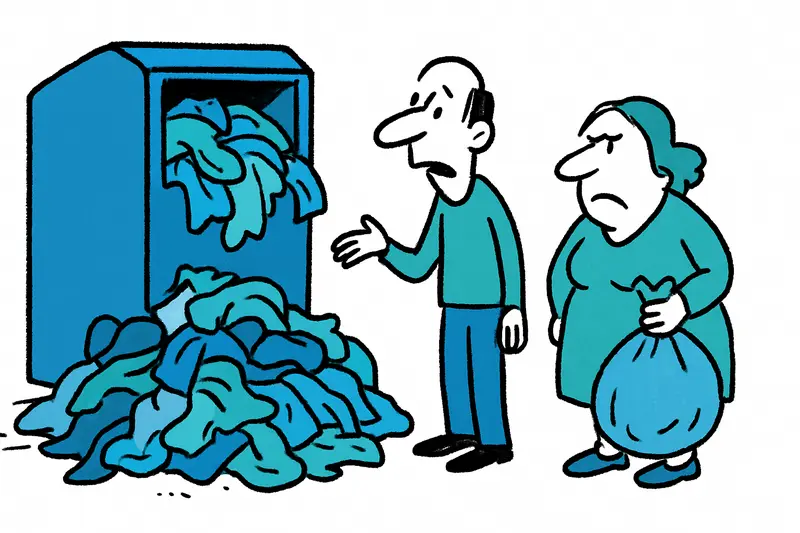
Late in the afternoon, next to the small supermarket on the Avenida, an older woman stops with a trash sack. A stray dog sniffs around. A worn sweater with a grease stain and a ripped T‑shirt stick out of the bag. She hesitates, pushes the sack into the container and walks on. I see scenes like this more and more in Palma, Manacor and at beach parking lots: the good feeling of doing something positive collides with the harsh reality at the sorting centres.
Social organisations on the islands warn: too many textiles that can no longer be reused end up in the collection containers. That drives up the costs for transport, sorting and disposal. One figure to keep in mind: according to REAS Baleares, around 3,500 tonnes of textiles are collected annually. Part of that is still wearable, but some should actually go in the residual waste or be processed in specialised recycling facilities. Similar recurring waste burdens are described in 6.5 Tons of Waste in July: Why Mallorca's Coasts Keep Struggling.
Critical analysis: Why is the problem escalating? On the one hand, the volume of textiles is growing due to modern throwaway habits and seasonal turnover in a tourist area. On the other hand, containers are often misunderstood: they are not drop-off points for household waste, broken mattresses or wet, mouldy clothing. Visible problem number two is the lack of information on site. Many containers only carry a small sign; people in a hurry throw everything in. The strained staffing and financial situation of nonprofit sorting organisations exacerbates the problem, because additional cleaning and disposal costs money — funds that are then missing for social projects.
What is too often missing from the public debate is the responsibility of donors and municipalities. There is frequent talk about collection volumes but rarely about the quality of donations and incentives to hand in used clothing correctly. Also underexposed are the ways hotels, holiday landlords and secondhand shops could be integrated into the collection system. The handling of textiles that are no longer wearable — for example energy-efficient recycling processes or regulated incineration and recovery routes — also receives little attention.
Everyday view: On a Monday morning, when delivery vans drive along Calle Sant Miquel and the sea in the bay still lies calm, I see containers that stand half open. Remnants of packaging material, wet jackets after a thunderstorm, cat hair — who sorts that out? Volunteers and staff tidy up, cut things out, repack, as has been detailed in Who cleans up the sea? Almost eight tons of waste off the Balearic Islands — and the uncomfortable answers. It is tedious and costs time they would rather spend on counselling or direct help.
Concrete solution approaches that could work: 1. Clear labeling: Distinct pictograms, large notices in several languages and a clear instruction "only clean, dry and wearable clothing in closed bags". 2. Expand drop-off options: Regular collection actions in neighbourhoods and cooperation with hotels, property managers and markets. 3. Incentive systems: Discounts in social shops or small vouchers for correctly handed-in bundles could raise awareness. 4. On-site checks: More frequent emptying and inspections so that containers do not function as rubbish dumps. 5. Repair and upcycling offers: Repair cafés, sewing courses or workshops that turn damaged parts into new products. 6. Transparency: Municipalities and associations should disclose what percentage of collected textiles are reused, recycled or disposed of.
These are not utopian ideas. Many island residents react positively when they are informed. Small changes in everyday behaviour — cleaning clothing before dropping it off, putting it in closed bags, placing damaged items directly in the residual waste bin instead of the container — save organisations a lot of time and money.
Conclusion: The used-clothing containers are a useful tool, but at present often only a symbol of good intentions. If municipalities, collection points, the tourism sector and all of us introduce clearer rules and simple routines for handling textiles, there will be little room left for the frustration over stinking sacks and unnecessary costs; this connects to wider policy debates such as Palma Takes Ibiza's Waste: Pragmatism or a Problem for the Island?. A little consideration, a closed bag and clear signage would already make a big difference in Mallorca.
Frequently asked questions
Can I put dirty or wet clothes in used-clothing containers in Mallorca?
Why are used-clothing containers in Mallorca such a problem for charities?
What kind of clothes should I donate in Mallorca?
How can I dispose of old clothes properly in Mallorca?
What can municipalities in Mallorca do to improve used-clothing collection?
Are used-clothing containers in Mallorca only for clothes?
Does the tourism sector in Mallorca have a role in textile waste collection?
What does Mallorca do with clothes that can no longer be reused?
Similar News

Who Benefits from the Half‑Hourly Flight on the Edge? Aena, Investments and the Island's Interests
Almost one billion euros is flowing into Son Sant Joan. The figures show the scale of investment and expected beneficiar...

Are the Balearic Islands the Southern Border of Europe? A Reality Check on Immigration
The Balearic Islands are again calling for EU aid after a sharp rise in arrivals by sea. Conflicting priorities between ...

"Expensive chaos" and many open questions: What clients can do when a lawyer suddenly stops responding
Several clients complain that a well-known German lawyer in Mallorca has been unreachable for months. Key question: What...

TV tip: 'The Last Problem' — Mallorca as the setting of a classic crime
A classic whodunit on Mallorca: A new miniseries set in spring 1959 brings storm, an isolated hotel and a dense web of s...

Nipping Sea Creatures: Why Bathers in Cala Major and Elsewhere Should Be Cautious
In Cala Major, bathers have reported being nipped by small fish. What is behind it, how can problems be avoided — and wh...
More to explore
Discover more interesting content

Can Cap de Bou

Townhouse Lleo 72
