
Overcrowded TIB Bus in Valldemossa: When the Daily Commute Becomes a Ride of Anxiety
Overcrowded TIB Bus in Valldemossa: When the Daily Commute Becomes a Ride of Anxiety
An islander reports aggressive behavior on a crowded TIB bus in Valldemossa and a subsequent panic attack. Why this is a symptom of larger problems — and what concrete measures could help.
Overcrowded TIB Bus in Valldemossa: When the Daily Commute Becomes a Ride of Anxiety
Leading question: How much space is left for locals in their everyday lives when buses and stops become stress zones?
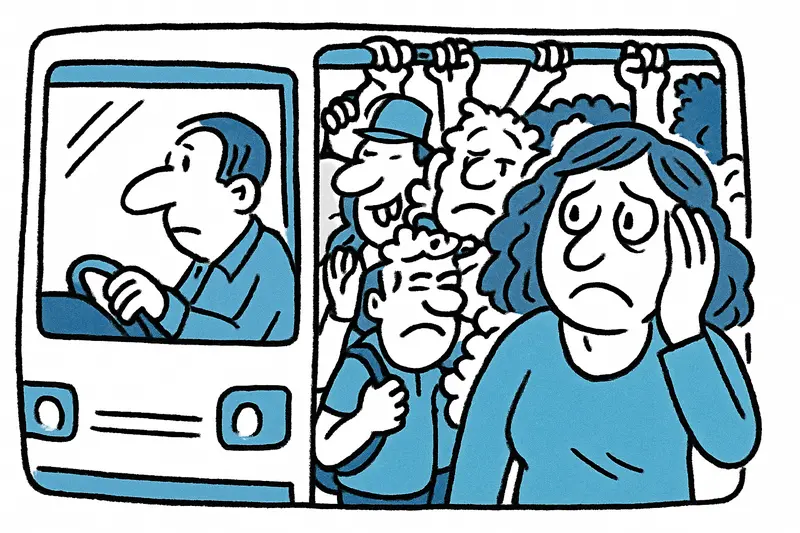
On a cool morning in Valldemossa, the charterhouse bell still muted, a long line forms again at the stop on the village’s edge: commuters with coffee cups, tourist groups with cameras, and those who have to travel to Palma every day. A video on social media shows how cramped the bus becomes and how a young islander is so overwhelmed by the situation that she reports a panic attack. She describes aggressive behavior while boarding and the fear of not making it to work on time.
In short: the problem is no longer an isolated case; similar incidents, such as when an articulated TIB bus broke down at the Estación Intermodal, show the system's strain. The island is experiencing a massification of public space in many places — and that doesn’t only mean crowded beaches and restaurants, but also packed routes, congested stops, and a tangible clash of different expectations. For locals, what used to be a mundane bus ride shifts toward insecurity and added strain.
Critical analysis: The symptoms are visible, the causes lie deeper. On the one hand, passenger numbers are rising due to increased tourism, special services and seasonal demand; on the other hand, the infrastructure that could cushion these peaks is often lacking, as reflected in reports that Palma's buses are full despite rising passenger numbers. A single fully occupied TIB bus is not proof of incompetence, but it is an indicator of insufficient capacity, poor management and unclear prioritization rules for locals and commuters; recent reports of eight people injured after sudden hard braking on a Palma TIB bus underscore the safety risks. Without clear, enforceable rules, users’ interests collide — and tensions can escalate quickly.
What is usually missing in the public debate: concrete everyday perspectives and the voice of commuters. There is a lot of talk about bed and visitor numbers, rarely about the minute when someone trembles beside the driver because they are afraid of being confronted. These small, recurring stresses add up to a lower quality of life. Equally neglected are simple organizational questions: Why are there no visible notices at stops in several languages? Why aren’t additional empty runs or extra services scheduled during peak times? Why are there no controls against pushing and aggressive behavior?
Everyday scene from Mallorca: You stand at the stop under the shade of a stone wall, the sea is invisible, but the scent of freshly brewed coffee from the bar next door mixes with the smell of diesel. A school bus passes, a group of older residents disembarks, young people rush toward the bus with backpacks. The scene is familiar — and precisely for that reason it hurts when it suddenly turns threatening. The island society is small enough to take such tensions personally.
Concrete solutions — no clichés, practical and close to everyday life:
1) Short term: Signage and information materials at stops (multilingual) with clear rules of conduct; targeted presence of control services during peak times; separate boarding and alighting zones to structure boarding and reduce pushing.
2) Medium term: Flexible timetables with more runs during peak times, coordinated with commuter flows; reserved seats or dedicated areas for commuters on heavily used routes; real-time digital capacity indicators showing whether a bus still has space.
3) Long term: Increase frequency on main corridors, sensible reinforcement with shuttle services at tourist hotspots; awareness campaigns for visitors — friendly but firm — about local customs; better coordination between tourism planning and public transport management.
Municipalities are also called upon: small measures like marked waiting areas, more covered stops and clear ground markings can reduce pushing. At the same time, commuters need a voice in planning bodies — the people who rely on the line every day know the problems best.
A practical example: At heavily frequented stops near sights, it should be examined whether special short runs to relieve main lines during peak times are possible. That costs money but saves nerves and prevents escalations. Another option is simple apps or displays that show in real time how full the next bus is — so tourist groups can split up differently and commuters know if they need an earlier connection.
Punchy conclusion: The scene in Valldemossa is symptomatic. It’s not just about space on the bus, but about how much consideration and room island life still offers to the people who live and work here. Politics, transport operators and the tourism industry must work together — not with empty phrases, but with measures that have an effect at the bus stop in the morning. Otherwise the commuting routine will turn into a daily balancing act between stress and fear — and that has nothing to do with holiday charm, but with poor planning.
The island is beautiful because life happens here. If we want to keep it that way, we must defend the space for it — with clear rules, more capacity and a bit of mutual consideration.
Frequently asked questions
Why are TIB buses in Mallorca so crowded during the morning commute?
What should I do if I feel anxious or unsafe on a crowded bus in Mallorca?
Are bus stops in Valldemossa crowded at rush hour?
Is the bus from Valldemossa to Palma reliable for daily commuters?
What can Mallorca do to reduce aggression and pushing at busy bus stops?
What kind of bus improvements do Mallorca commuters need most?
Are there enough buses in Mallorca during tourist season?
What would make daily bus travel in Mallorca less stressful?
Similar News

Rental Car Theft in El Arenal: What This Incident Reveals About Our Gaps
A teenager steals a running rental car in El Arenal, flees on foot, climbs over walls and is caught by the Guardia Civil...
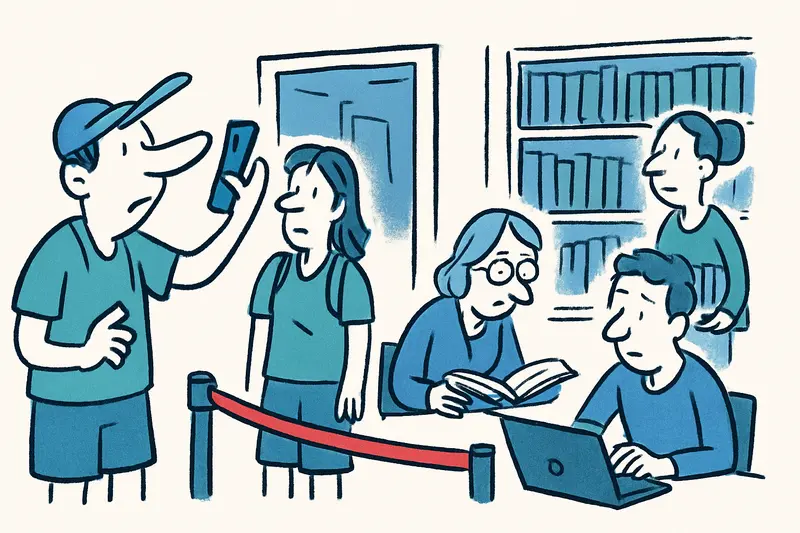
Red Rope in Palma's Library: What Helps Against Selfie Tourism — and What's Missing
Palma's city library cordoned off an area with a red rope to keep selfie tourism away from reading and working activitie...
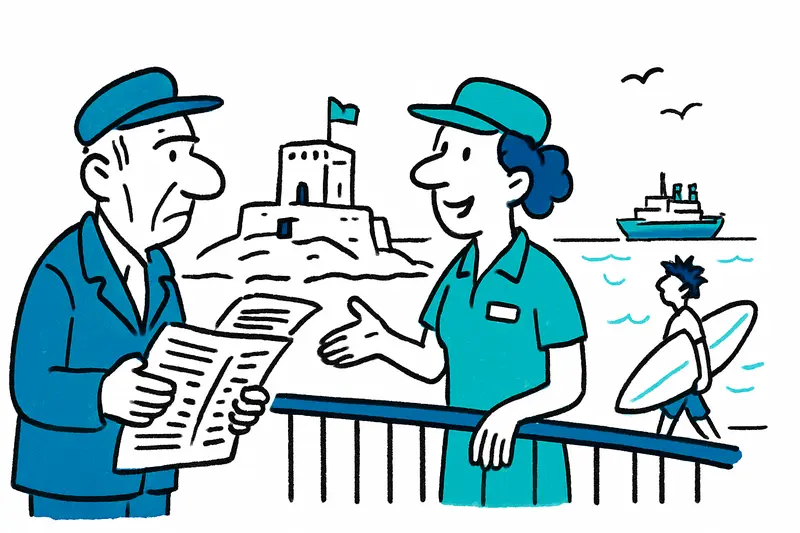
Fort San Carlos: Museum, Harbor Dispute — and a Conflict That Demands Answers
The military museum at Fort San Carlos sits right on Palma's harbor, with unexpectedly quiet rooms filled with cannons a...
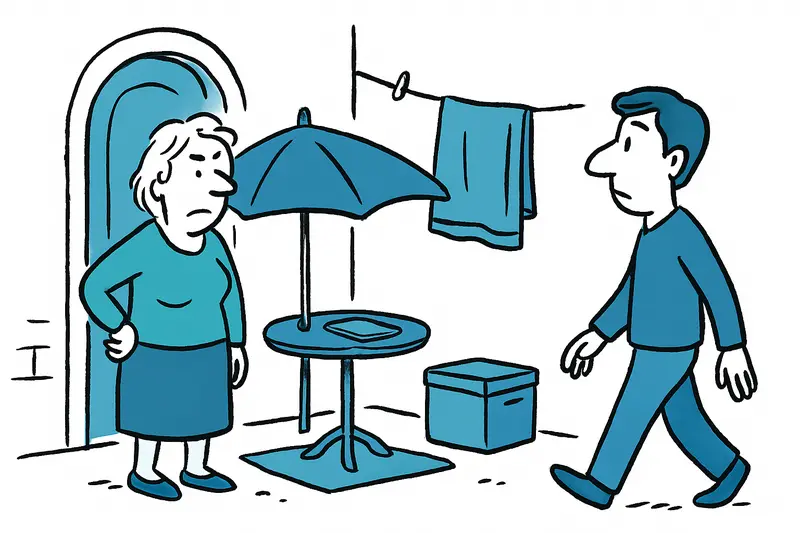
Old Town Under Pressure: When a Doorway Becomes a Sleeping and Shower Place
For months a woman has been living with a parasol, a clothes rack and personal belongings next to the social welfare off...
When Shopping Weighs Heavier: Mallorca Demands a Tax Pause on Food and Fuel
Rising prices are putting pressure on households and agriculture. The Balearic Islands are calling for temporary tax rel...
More to explore
Discover more interesting content

Can Cap de Bou

Townhouse Lleo 72
