
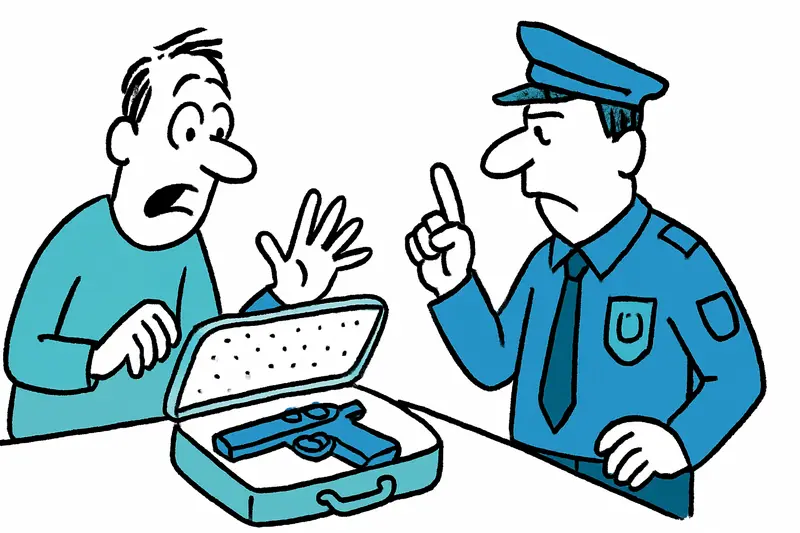
Weapon in the suitcase: Airport stop before Mallorca – a small panic with big questions
At Cologne/Bonn airport, federal police stopped a 46-year-old German traveler: a compressed-air pistol without a proof mark was in his suitcase. The weapon was seized and investigations are ongoing — but the man was allowed to continue to Palma. What does the case reveal about checks, information gaps and everyday safety in Mallorca?
Weapon in the suitcase: Airport stop before Mallorca – a small panic with big questions
How could a traveler get as far as the departure hall with a compressed-air pistol in his baggage – and why was he nevertheless allowed to continue flying?
In short: On January 30 a 46-year-old German man was stopped at Cologne/Bonn airport before he took off for Palma. Security personnel discovered a compressed-air pistol with CO2 cartridges and rubber projectiles in his checked suitcase. The weapon had an energy of around 7.5 joules and bore no required proof mark. The man could not present a weapons ownership card or a firearm permit. Federal police secured the weapon and opened investigations into a possible violation of the weapons law. Nevertheless, the traveler was allowed to continue to Mallorca.
Main question: Is the current practice at airports and in the screening of travel luggage sufficient to ensure safety on the island and on the return journey — or are there dangerous gaps?
The scene is familiar: rolling suitcases, the smell of coffee in the terminal, somewhere the clatter of a baggage carousel — and then an announcement that causes delays. Such incidents disturb the calm of departure areas, create extra work for staff and unsettle other passengers. Here on the island you often hear later in the bar in Sant Jordi or at the bakery on the beach: “Why does this happen at all?”
A sober analysis shows several levels. First: the discovery in the checked luggage proves that screening works, as other reporting on Cologne/Bonn airport highlights Long security checks at Cologne–Bonn: What Mallorca travelers need to know. Second: the lack of marking (proof mark) made the weapon legally problematic — and is a clear reason for seizure. Third, however: that the man was allowed to fly on despite the seizure and the initiated investigations raises questions about enforcing measures against potentially dangerous items. Authorities must balance criminal procedures, freedom to travel and practical possibilities to prevent people from continuing their journey at short notice, and similar cases have affected Mallorca's image after immediate detentions Handcuffed Straight from Palma: Cross‑Border Manhunts, Mistakes and Mallorca's Image.
The public debate often misses the view of local consequences. On Mallorca many holiday fincas lie off the beaten track, with space for shooting — or at least the perception of it. That increases the risk that weapons are brought for recreational use without owners knowing the legal hurdles. Also rarely discussed: how well landlords, neighborhood networks or local police are informed about and prepared for such cases. If an owner, after arrival, puts the weapon in the car and drives to the north of the island, a security problem arises that goes beyond the airport, and in some cases these journeys have ended in arrests after arrival at German airports From the Beach to Handcuffs: Mallorca Holiday Ends with Arrest at Düsseldorf Airport.
A small everyday image: on a rustic finca near Alaró the neighbor sits with a thermos by the old farm tractor, dogs bark, and a van delivers pallets of building material. Nobody there expects someone to take an unregistered weapon out of a suitcase. The neighborhood loses trust if such stories become more frequent.
Concrete approaches we hear again and again in talks with airport staff and islanders: more prevention before check-in — clear notices in booking emails and during online check-in about what must not go in luggage; stricter checks already when handing in suitcases; better marking requirements for recreational weapons and more consistent enforcement of proof marks; information campaigns in German and Spanish explaining which documents are needed and where shooting is legally permitted. On Mallorca local authorities should consider whether there can be simple, officially approved drop-off points or secure storage options for lawful weapons owners so that no one resorts to “just taking it along.”
Practically, closer coordination between departure airports and security authorities at the destination airport would also help: information about cases with ongoing investigations should flow faster, without violating data protection, so that potential risks can be taken into account at arrival-site security. For travelers the obvious but often forgotten rule applies: check equipment briefly before packing, compare with regulations — and when in doubt leave the weapon at home or have it legally transported.
Conclusion: the incident at Cologne/Bonn airport shows that controls work, but also that there are legal and communication gaps. For Mallorca this means: more information for visitors, better coordination between authorities and locally practicable solutions for owners of recreational weapons. Otherwise the next annoying alarm in the departure hall will not be the only consequence — it could become a real safety problem for people on the island.
Those packing suitcases in the future: better check twice whether the sporting equipment is really transportable and approved. Otherwise the holiday starts with an unpleasant police check instead of an espresso on the Passeig Mallorca.
Frequently asked questions
Can you fly to Mallorca with a weapon in checked luggage?
What happens if airport security finds a weapon before a flight to Mallorca?
Are compressed-air pistols allowed on flights to Mallorca?
Why can a traveler still fly to Mallorca after a prohibited item is seized?
What should Mallorca travelers check before packing sporting equipment that could be a weapon?
How can Mallorca airports reduce the risk of weapons in luggage?
What should holiday-finca owners in Mallorca know about guests bringing weapons?
Which documents do you need to travel legally with a weapon to Mallorca?
Similar News
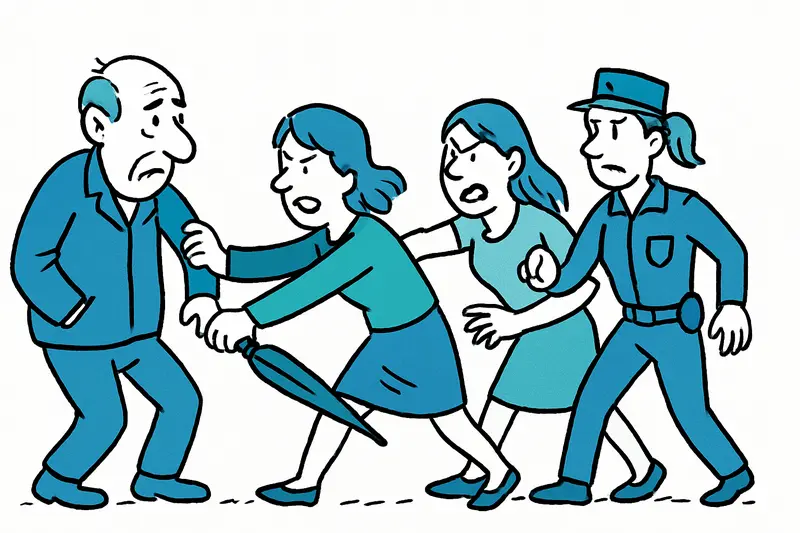
When the Wallet Becomes a Danger: Attack in Peguera and Lessons for Mallorca
In Peguera, two women are said to have stolen the wallet from a 75-year-old German couple. When the victim intervened, t...
Plata stays Plata: Young people take over, Llonguets remain
A small bar on Carrer de l'Argenteria will continue: Tolo Serra hands the place over to young Mallorcans at the end of t...
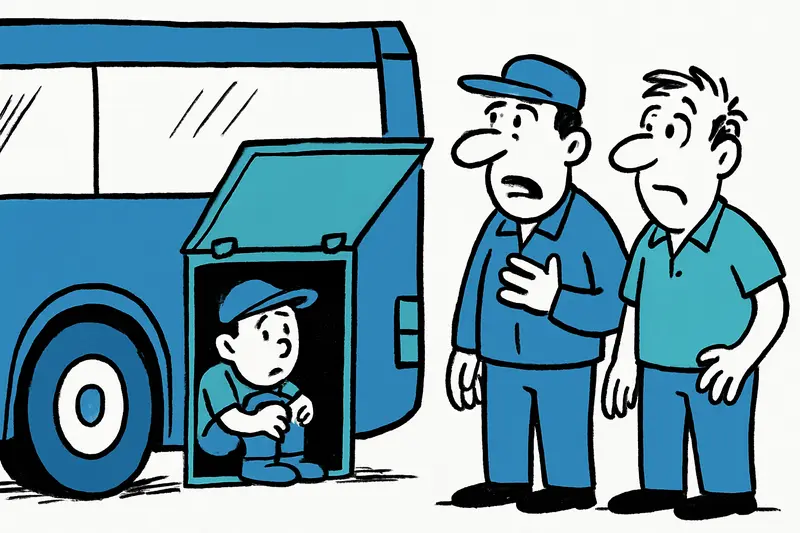
Unnoticed in the Luggage Compartment: How a Boy Traveled More Than 100 Kilometers in a Team Bus
A minor traveled in the undercarriage of a team bus for more than 100 kilometers until his cries for help were heard. A ...

Cap Vermell Grand: Second Michelin Key – a Gift for the East
The Cap Vermell Grand in Capdepera has been awarded its second Michelin key. For the region this elevates the luxury off...
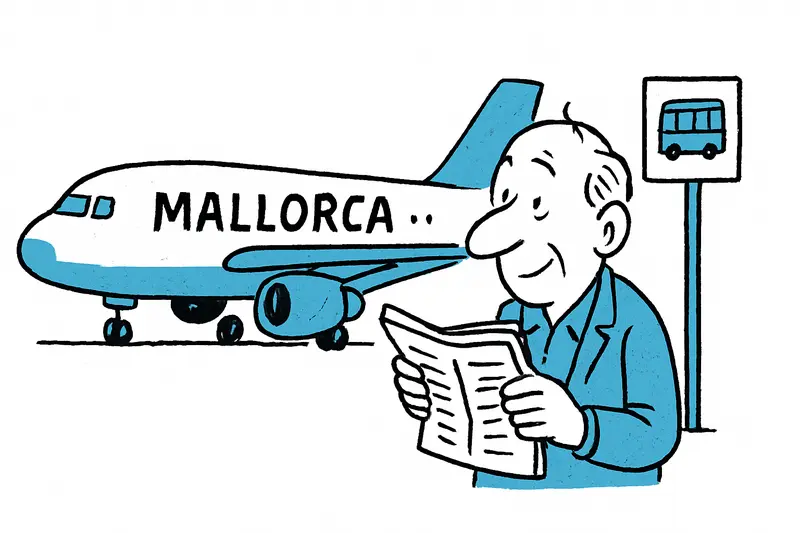
Eurowings lets four aircraft carry names – a friendly idea that also reaches Mallorca
Eurowings is launching a campaign: four Airbus A320s are to carry the first names of people who help others in everyday ...
More to explore
Discover more interesting content

Can Cap de Bou

Townhouse Lleo 72
