
Only 31 Degrees? Why Mallorca's Heatwave Is More Than a Thermometer Problem
Only 31 Degrees? Why Mallorca's Heatwave Is More Than a Thermometer Problem
AEMET continues to report high values: 36 to 37 degrees at the start of the week, orange and yellow warnings in many parts of the island. A reality check: who suffers, what's missing from the discourse, and which simple measures help immediately.
Only 31 Degrees? Why Mallorca's Heatwave Is More Than a Thermometer Problem
Key question: How do we prepare for a summer that feels like a continuous heatwave?
AEMET's maps are currently a constant warning: Palma reports high temperatures (around 36 °C at present), and parts of the island are under orange warnings, others under yellow, echoing concerns discussed in Heat alert on Mallorca: How well is the island prepared for infernal heat days? For Monday the agency expects highs around 36 °C, Tuesday could reach 37 °C. Only by the weekend are daytime temperatures expected to fall back to around 31 °C; nighttime heat would ease from about 26 °C to roughly 23 °C. Measurement stations already show local peaks: Campos (37.3 °C), Porreres (36.9 °C), Sineu (36.8 °C) and Artà (36.2 °C.
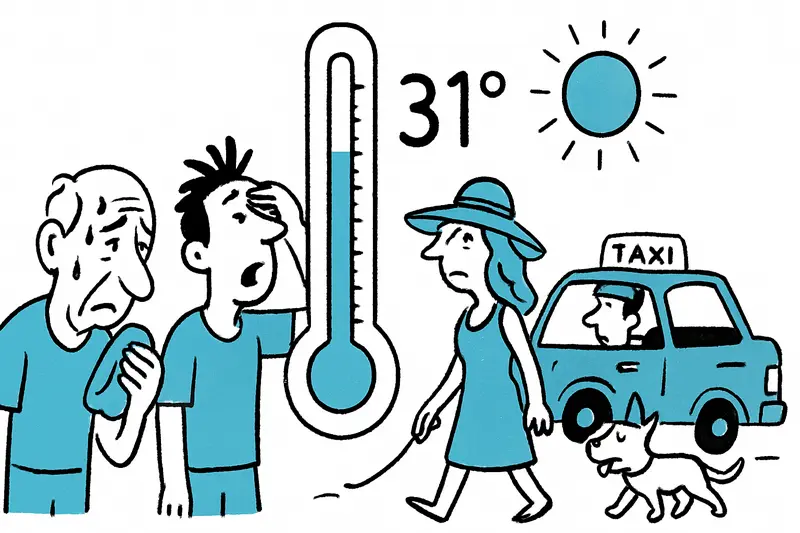
Those are numbers — but it feels different. On the Passeig Marítim the air is leaden, taxis run with their trunks open so the boot gets at least a bit of ventilation. Residents who shop early at the Mercat de l'Olivar complain that fruit and vegetables spoil faster. In the evenings windows are open, but hardly any cooled air comes in. This is the everyday scene: people, dogs, delivery workers — all seek shade, not just at the beach.
Critical analysis: the heat does not affect everyone equally. Older people, small children, the chronically ill and people without air conditioning are particularly at risk. Outdoor workers — construction workers, street cleaners, gardeners — suffer under severe conditions because many businesses do not adjust their rhythm at short notice. Farms are already recording increased water needs; at the same time drinking water is scarcer and more expensive in some municipalities during extreme summer days, a disparity underlined by reporting such as Heatwave reaches 42 °C: How Mallorca should cope with the new temperature peak.
In the public discourse there is currently a lack of sober weighing between individual precautions and systemic gaps. There is much talk about record temperatures, less about concrete shelter spaces or coordinated measures for at-risk groups, a point explored in 40 Degrees This Weekend: Mallorca Faces a Heat Test – What Matters Now. There are warning messages, but not always simple, easy-to-find pointers to shaded places, cooled emergency shelters or public drinking-water points. For tourists this means shifting sightseeing plans; for residents: concern for neighbors who live alone.
Concrete solutions — implementable immediately: municipalities should quickly set up clearly marked "cool points": libraries, community halls or sports centers with public, limited cooling that are open during the day. Public fountains and water refill stations must be clearly marked. Employers should introduce heat-work plans: changed working hours, additional breaks, provision of drinks. For tourists, hotel and rental associations could distribute information in multiple languages: best times for beach visits, a list of heat-stress symptoms, emergency numbers.
Urban planners must act in the short term with simple measures: mobile sun sails in plazas, additional trees along wide boulevards like Avinguda de Jaume III or shade-providing pergolas at busy bus stations. In the long term we need more green spaces, shading infrastructure and adaptations in housing — insulated roofs, reflective facades, night ventilation concepts, ideas also discussed in Heat alert on Mallorca: How well is the island prepared for infernal heat days? and Nearly 40 °C: Mallorca's Daily Life Under Heat Stress — How the Island Can Respond.
What everyone can do now: drink, more often than usual. Avoid the midday sun. Plan visits to elderly neighbors, especially between 14:00 and 18:00. When active outdoors wear a sun hat and loose clothing, don't leave electronic devices in closed cars, and avoid taking children and pets on long car rides during the hottest part of the day. Small things, big impact.
At the moment communication is a construction site. AEMET provides the meteorological facts; what is missing is an easily accessible practical translation of these warnings into everyday actions — via SMS, a municipal WhatsApp channel or signs at bus stops. When orange or yellow warnings are issued, automatic notices about cooling points and alternative time windows for outdoor work should follow.
Punchy conclusion: the heatwave is not just a weather event, it is a logistical and social problem. We cannot stare at records every day and hope it gets better by itself. A few pragmatic measures — clear cooling rooms, changed working hours, public drinking-water points — would significantly reduce the acute burden. Otherwise the relief when the thermometer drops to 31 °C at the weekend will only be a feeling: less heat, but no better preparedness.
Frequently asked questions
What is the best time of year to visit Mallorca for sunny weather?
Is the sea warm enough for swimming in Mallorca?
What should I pack for a trip to Mallorca?
Are there family-friendly beaches in Mallorca?
What are must-see places or activities in Mallorca?
Getting around Mallorca: transport tips
Is Mallorca suitable for solo travelers?
What Mallorca dishes should I try?
Similar News
Rental Car Theft in El Arenal: What This Incident Reveals About Our Gaps
A teenager steals a running rental car in El Arenal, flees on foot, climbs over walls and is caught by the Guardia Civil...
Red Rope in Palma's Library: What Helps Against Selfie Tourism — and What's Missing
Palma's city library cordoned off an area with a red rope to keep selfie tourism away from reading and working activitie...
Fort San Carlos: Museum, Harbor Dispute — and a Conflict That Demands Answers
The military museum at Fort San Carlos sits right on Palma's harbor, with unexpectedly quiet rooms filled with cannons a...
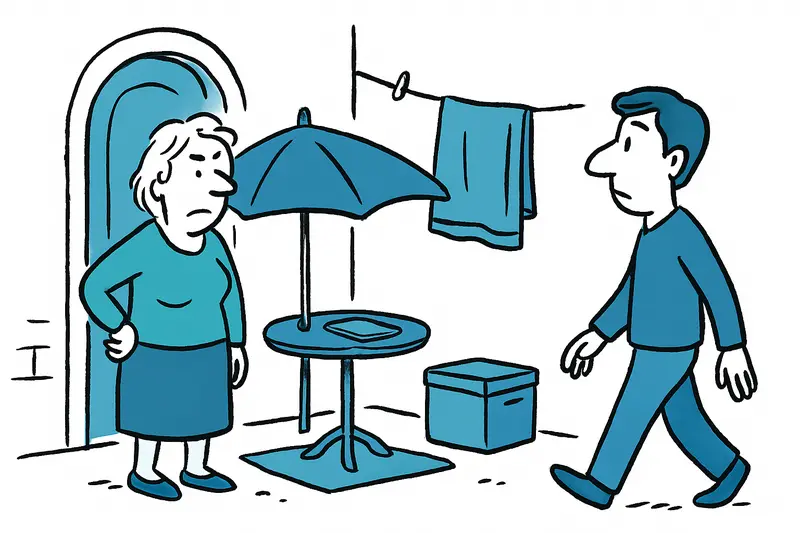
Old Town Under Pressure: When a Doorway Becomes a Sleeping and Shower Place
For months a woman has been living with a parasol, a clothes rack and personal belongings next to the social welfare off...
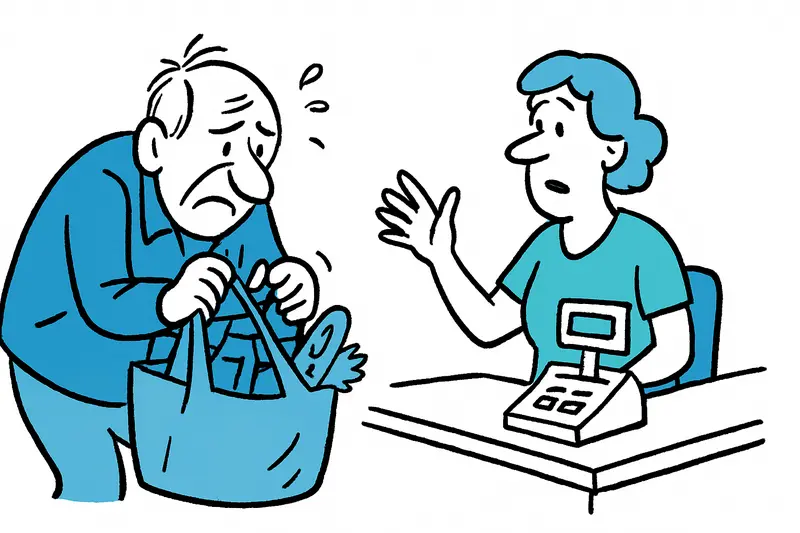
When Shopping Weighs Heavier: Mallorca Demands a Tax Pause on Food and Fuel
Rising prices are putting pressure on households and agriculture. The Balearic Islands are calling for temporary tax rel...
More to explore
Discover more interesting content

Can Cap de Bou

Townhouse Lleo 72
