
Without Horses but Not Without Questions: Why Palma's New Electric Carriages Need More Than Just Shine
Without Horses but Not Without Questions: Why Palma's New Electric Carriages Need More Than Just Shine
The new electrically powered 'e-carriages' roll up in front of the cathedral and are met with applause — but cost pressures, charging infrastructure and labour issues are missing from the debate. An assessment with proposed solutions.
Without Horses but Not Without Questions: Why Palma's New Electric Carriages Need More Than Just Shine
Key question: Can the switch to electric carriages simultaneously protect animal welfare, tourism and jobs in Mallorca — or will it end up as nothing more than a pretty PR vehicle?
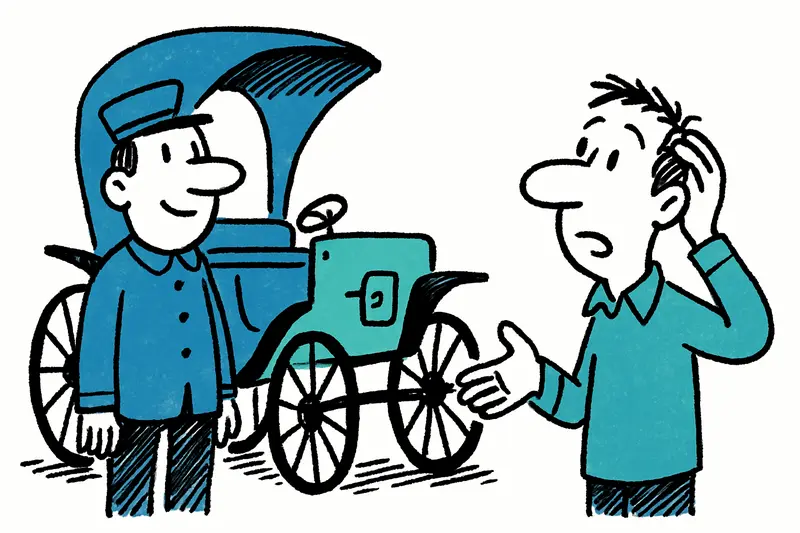
In the early afternoon in front of Palma's cathedral, when the sun wasn't yet too harsh and the seagulls circled over Parc de la Mar, a shiny retro-style carriage rolled through the streets. Tourists pulled out their phones, some applauded, children giggled. The new e-carriage, fresh from Bavaria, bore a German license plate and looked like polished museum furniture — only it was electrically powered and completely without horses.
The scene is part of a development many welcome: moving away from animal transport toward low-emission sightseeing, a debate reignited after incidents such as After Two Collapsed Horses: Palma Faces a Decision — Rethinking Carriage Rides. But the presentation of the test model in front of the cathedral also raises uncomfortable questions. The vehicle's cost is in the high five-figure range; the carriage drivers speak openly of a sum that is barely manageable for sole proprietors. Added to that are ongoing costs for electricity, maintenance, insurance and the eventual replacement of the battery. Who pays this bill has so far been left unspoken.
Critical analysis: Technical elegance alone is not enough. A vehicle capable of 25 km/h that fits through narrow old-town streets solves the animal welfare problem — but at the same time creates new challenges. There are questions about registration under city traffic laws, noise generation in narrow alleys, liability in accidents and how to handle tourist flows that still want photos and souvenirs. Above all: a viable financial model is missing for the drivers who have so far relied on income from carriage rides.
What has been missing from the public discourse so far: (for background reporting, see Palma orders medical checks for carriage horses — turning point for horse-drawn carriages?) first, a transparent cost-benefit calculation that includes not only purchase prices but also lifecycle costs (batteries, spare parts, recycling) and potential savings (veterinary costs, feed, hoof care). Second, a clear plan for charging infrastructure in historic centres — a few sockets on the waterfront are not enough. Third, concrete transition arrangements for employees: further training, leasing models, cooperatives or municipal subsidies could prevent private individuals from being left with heavy residual debts.
An everyday observation from Palma: while the electric model pulled up, the classic horse-drawn carriages quietly moved to the side. The animals stood calm, the drivers exchanged glances, some tapped numbers into their phones. It was a mix of curiosity, relief and worry. Many tourists found the electric variant modern and "clean" — but the emotions surrounding horses run deeper and louder than any technical debate, as incidents such as Horse Falls in Palma: Do Carriages in the Old Town Need Rethinking? showed.
Concrete solutions that should be discussed now: 1) Purchase support and leasing models: instead of one-off payments, subsidies with staged repayments, low-interest loans or municipal leasing funds could ease acquisition. 2) Joint procurement: a cooperative of carriage drivers would allow discounts and concentrate responsibility for maintenance. 3) Plan charging infrastructure: parking spaces with fast-charging hubs at strategic points (near Plaça de la Seu, La Rambla, Passeig des Born) as well as clear rules for charging times. 4) Education and retraining: technical training for drivers and workshops for repair shops, as well as tourism workshops on customer engagement. 5) Transparency and measurement: pilot phases with documented traffic, environmental and visitor numbers so that the city administration bases decisions on data rather than emotions. 6) Ecological review: battery origin, recycling concepts and energy sources (green electricity) should be contractually binding.
Practical municipal steps can help: a tiered funding pool in which the city covers part of the purchase costs and drivers repay the rest via a five-year lease; temporary tax relief; and mandatory monitoring of vehicles during the test phase to record noise, energy consumption and passenger numbers. An exchange programme with municipalities like Alcúdia, which already have experience with electric carriages, would also make sense — but only if those findings are public, comprehensible and independently verified.
What does not help now is pure symbolism. Nicely polished carriages in front of the cathedral satisfy the first photograph but do not solve structural questions. If the discussion remains stuck between "animal welfare yes" and "costs no," as described in Palma Struggles to End Horse-Drawn Carriages: Majority but No Final Decision, those affected will be left halfway: the animals protected, the drivers endangered, and the city centre without a clear concept.
Conclusion: Palma's e-carriages can be a step in the right direction. For them to be more than a photographic motif, there must be an honest engagement with financing, infrastructure, labour and environmental impacts. The city, the drivers' community and tourism providers must share responsibility. Otherwise the new elegance will remain an electrically powered prop — and the loud questions will go unanswered.
Frequently asked questions
What is the weather usually like in Mallorca in the spring and autumn?
Can you still swim in the sea in Mallorca outside the summer months?
What should I pack for a trip to Mallorca in the off-season?
Is Mallorca still worth visiting if the weather is not ideal for the beach?
What is Port de Sóller like to visit in cooler months in Mallorca?
Is Palma de Mallorca a good place to stay when it is cooler or rainy?
What can you do in Mallorca if the sea is too rough for swimming?
When is the best time of year to visit Mallorca for mild weather?
Similar News
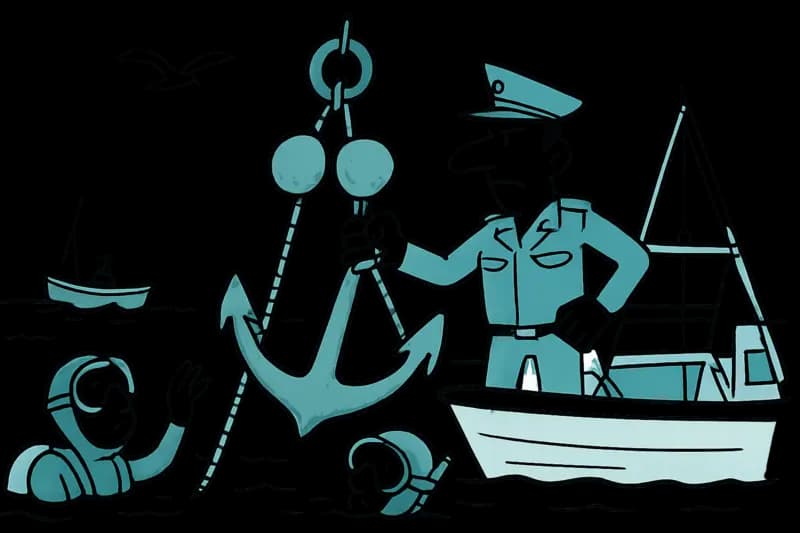
Ancient Piece Brought to Light: Guardia Civil Recovers Roman Anchor Fragment off North Coast of Mallorca
Divers from the Guardia Civil recovered a massive iron piece from Roman times off Mallorca's north coast. The roughly 35...

Who Benefits from the Half‑Hourly Flight on the Edge? Aena, Investments and the Island's Interests
Almost one billion euros is flowing into Son Sant Joan. The figures show the scale of investment and expected beneficiar...

Are the Balearic Islands the Southern Border of Europe? A Reality Check on Immigration
The Balearic Islands are again calling for EU aid after a sharp rise in arrivals by sea. Conflicting priorities between ...

"Expensive chaos" and many open questions: What clients can do when a lawyer suddenly stops responding
Several clients complain that a well-known German lawyer in Mallorca has been unreachable for months. Key question: What...

TV tip: 'The Last Problem' — Mallorca as the setting of a classic crime
A classic whodunit on Mallorca: A new miniseries set in spring 1959 brings storm, an isolated hotel and a dense web of s...
More to explore
Discover more interesting content

Can Cap de Bou

Townhouse Lleo 72
