
Working-hours dispute at Playa de Palma ends in stabbing — What the discourse is missing
Working-hours dispute at Playa de Palma ends in stabbing — What the discourse is missing
A dispute over 14–16-hour shifts at Playa de Palma escalated: a cook was seriously wounded in the knee and the owner arrested. A reality check on working conditions, power imbalances and lack of prevention.
Working-hours dispute at Playa de Palma ends in stabbing — What the discourse is missing
How can an argument about shifts escalate so far — and who is responsible?
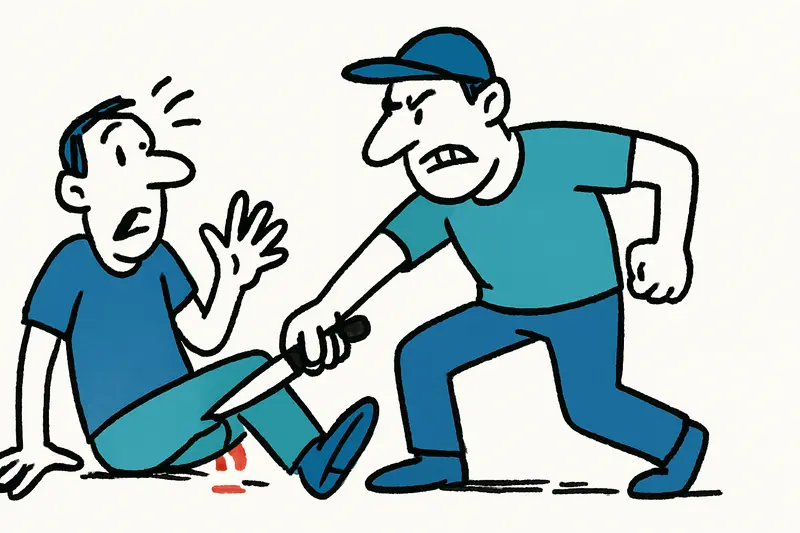
In the night leading into Tuesday, an employee of a restaurant at Playa de Palma was seriously injured with a knife to the left knee. The National Police arrested the owner of the establishment. Colleagues provided first aid and applied a tourniquet before the man — with a cut about 15 centimetres long and roughly three centimetres deep — received emergency medical treatment and was taken to hospital. The wound later had to be closed with several staples.
Available information indicates that the attack was preceded by a dispute over working hours: the injured employee said that he and other staff had repeatedly been required to work 14 to 16 hour shifts and had been treated condescendingly. Witness statements corroborate this account; the owner's version — that his employee had injured himself on a broken chair leg — could not be confirmed, according to the police.
The facts are clear — yet the question remains: why can a conflict over overtime on such a busy stretch of the island turn so brutal? The answer lies not only in the individual case but in the environment in which these businesses operate.
In summer, the gastronomy scene at Playa de Palma is a loud, fast-moving cosmos: music blasts from the chiringuitos on the Passeig Marítim, waiters call orders across the street, lamps flicker, and the smell of oil mixes with the salt wind. Seasonal pace, staff shortages and cost pressure create persistent stress — for locals and newcomers alike. For a recent example of how a verbal exchange in the area can escalate, see Brawl at Playa de Palma: Why a verbal exchange could have ended fatally.
Several points are currently missing from the public debate: first, the reality of working hours during peak season and how often they push legal limits. Second, the issue of oversight and enforcement: how regularly and effectively are working conditions checked in small restaurants and bars? Third, the accessibility of complaint channels for employees who are often disadvantaged by language, economics or social status. Related reporting has highlighted alleged exploitation and subsequent arrests in Palma's hospitality sector, see Plaça Major: Shadows Behind the Menu — Arrests After Alleged Exploitation.
So what can be done? Concrete, practical proposals can be derived from the incident: increased inspections by the Inspección de Trabajo during the high season, targeted information campaigns about labor rights in multiple languages, and simple reporting channels that work anonymously. Employer associations and municipal authorities should develop binding codes of conduct: maximum shift lengths, mandatory breaks and compulsory first-aid training for staff and managers. Internally, anonymous complaint boxes, regular shift schedules with visible documentation and clearly regulated mediation services can help prevent escalations.
Police and social services can also do more: a dedicated contact person at the Policía Nacional for workplace violence and cooperation with trade unions would provide affected people with low-threshold support. For tourist centers like Playa de Palma, it would make sense to strengthen prevention measures seasonally — in the same weeks when the promenade is full and complaints become more common. See reporting on tensions around routine checks at the promenade in Tumults at Playa de Palma: When Controls Threaten the Beach Scene.
What is still missing from the public discourse is the awareness that workplace violence does not come out of nowhere. It is often the result of a dynamic of pressure, abuse of power and lack of oversight. When residents walk along the promenade in the evening, they hear the music and see the lights — but not the exhaustion in the kitchens or the fear of risking a complaint.
A concise, concrete roadmap: 1) short term: increased inspections and low-threshold contact points; 2) mid term: mandatory working-time recording and compulsory first aid; 3) long term: cultural change in the industry, supported by municipalities, police and social partners. Without such measures, individual incidents remain dangerously close to becoming the norm.
Conclusion: The stabbing at Playa de Palma is a shocking incident — but it is also a warning sign. It is not just about one argument and an employee with a stab wound. It is about working conditions, power relations and missing prevention. Those who dine on Mallorca's beaches only see the facade. Beneath it, rights, safety and responsibility should finally be better anchored so that a dispute over 14-hour shifts does not end up in a hospital.
Frequently asked questions
What happened at Playa de Palma that led to a stabbing during a working-hours dispute?
Why can disputes over long shifts escalate in Mallorca's busy seasonal hospitality scene?
What practical measures are proposed to improve working conditions for restaurant staff in Mallorca?
How can workers report unsafe or unfair working conditions without risking retaliation?
What role do authorities, unions, and police play in preventing workplace violence in tourist areas like Mallorca?
What is included in the proposed roadmap to reduce overtime issues in Mallorca's hospitality sector?
How does the summer environment around Playa de Palma contribute to staff stress?
Why is it important to discuss workplace violence in Mallorca beyond individual incidents?
Similar News
From Deposit to Arson: How a Dispute over Jet Skis in El Molinar Escalated
After a nighttime fire in El Molinar a detainee is in pretrial detention. How could a conflict between a rental company ...
Lying Instead of Standing: How Prone Paddling Is Conquering Mallorca's Waters
On your belly across the sea — prone paddling is bringing fresh energy to Mallorca's watersports. Where to start, which ...
Housing Shortage in Mallorca: Assessment, Questions, Proposals
Over 2,000 new housing units through repurposing and special rules – sounds like a success. But do they really help peop...
Garbage, Stench, Fire Risk: What Is Really Going Wrong in Son Bauló
An apartment ensemble illegally built for years near Son Bauló is falling into disrepair, largely occupied and creating ...

Legat on Mallorca: Between Football Dreams and Political Alarm
The former pro is intervening in German politics from Mallorca – loud, emotional, without much detail. What does that br...
More to explore
Discover more interesting content

Boat Tour with BBQ along Es Trenc Beach

Private transfer from Mallorca Airport (PMI) to Pollensa
