
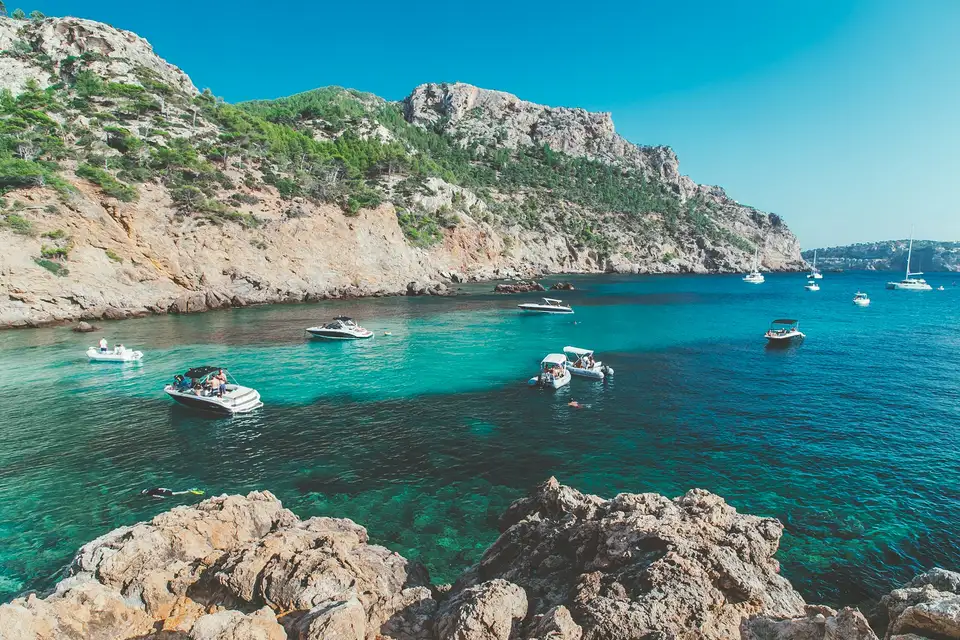
Yellow Alert: Is Mallorca Prepared for the Next Rain Band?
Aemet has issued a yellow alert for the south, southwest and the island's interior. Thunderstorms and heavy rain are forecast. A reality check: How well are we really prepared?
Yellow Alert: Is Mallorca Prepared for the Next Rain Band?
Key question: Can we avoid serious impacts on transport, areas and people now — or will the mistakes from the last storm repeat?
The weather service Aemet has issued a yellow alert for parts of Mallorca, specifically the south, southwest and the island's interior, as reported in Yellow Storm Warning: How Well Is Mallorca Prepared for Heavy Rain?. Thunderstorms are expected to develop on Wednesday afternoon and the rain may continue until Friday. Daytime temperatures will drop from around 32°C to about 27°C, with nighttime temperatures of 17 to 20°C. The approaching rain system carries the familiar risk of disruptions at Palma de Mallorca airport. Anyone on the beach should have their umbrella ready; commuters should reconsider their travel plans.
Critical analysis: The warning is serious, but not surprising. In recent weeks we have seen how quickly a series of thunderstorms can turn streets into streams and leave parks littered with broken branches and fallen trees. Such events no longer occur only sporadically; they are now part of seasonal planning. Three problems stand out: first, local infrastructure — sewer systems and street drainage are often not designed for short, intense downpours. Second, communication: alerts do not always reach all population groups in time, especially seasonal workers and tourists with language barriers, a problem detailed in Severe weather alert in Mallorca: Are we prepared for the deluge?. Third, the vulnerability of critical points such as airports, train stations and access roads, a problem highlighted during previous Storm Alert: Is Mallorca Prepared for the Deluge?.
What is missing from the public debate: There is a lot of talk about individual storm events, less about cause-and-effect chains and preventive preparation. Public discussions often focus on overturned trees or cancelled flights — but rarely on routine maintenance that could prevent damage: routinely clearing manhole covers and street drains, controlled tree-pruning management along access roads, clear plans for travelers at the airport. Clear information in several languages and concrete recommendations for visitors on how to behave if beach or trail access becomes impassable are also missing.
Everyday scene from Palma: On Passeig Mallorca it is still summer calm on Tuesday — the street cafés stow their parasols, taxi drivers at the airport check their shifts, the seagulls preen their feathers inquisitively. At the bike parking at Plaza España an older man stands with a bag of oranges; he talks about the last storm: "The alleys here were flooded, and the plants in my courtyard were floating in the water." Such scenes repeat in Son Servera, Portixol and Llucmajor: short, heavy downpours, then calm again. That makes preparation tricky: many think it is a single roar; experience shows it can come for several days in a row.
Concrete solutions (practical and immediately implementable):
For authorities and municipalities: 1) Activate temporary response plans: deploy road maintenance crews and wastewater treatment staff, check sewers. 2) Prioritise tree inspections on access routes and at stops; remove loose branches at short notice. 3) Coordinate airport and airlines: clear information points in arrival areas, contingency plans for transfer services. 4) Use multilingual warning channels — brief alerts in Spanish, Catalan, English and German via municipal WhatsApp groups, social media channels of island councils and the Aemet app.
For businesses (hotels, landlords, tour operators): 1) Inform guests proactively — how to travel safely the next day and what alternative routes exist. 2) Secure outdoor furniture, check terrace walls, inspect backup generators. 3) Plan transfers flexibly and factor in buffer times.
For residents and holidaymakers: 1) Secure balcony furniture and flower pots, check gutters, protect cellars with sandbags if necessary. 2) Pack a simple emergency bag (flashlight, water, medications). 3) Call neighbours, especially older people, and offer help. 4) Keep an eye on flights and transfers — better to reschedule early than to get stuck in traffic.
Long-term steps that are often missing from the debate: permanently more funds for sewer infrastructure, adapted urban greenery management, improved land-use planning in flood zones and binding emergency plans for the tourism sector. These are not quick headlines, but they reduce damage with every new downpour, as seen after earlier Orange Alert: Torrential Rains — Is Mallorca Prepared?.
Punchy conclusion: The yellow alert is not a disaster alarm, but it is a wake-up call. A little routine today can prevent major trouble tomorrow — for commuters, families and tourists alike. If authorities, businesses and residents implement the simple measures, the disruption will be manageable; if not, we will see again at the airport and on secondary roads the scenes we have just experienced. Pack your umbrellas, but also have the checklist ready.
Frequently asked questions
What’s the best time of year to visit Mallorca for good weather and overall vibes?
Are the beaches in Mallorca suitable for swimming year-round?
What should I pack for a Mallorca trip?
How can I get around Mallorca without a car?
Are there family-friendly activities in Mallorca?
What should I know about weather and seas for sailing or water sports in Mallorca?
Are there cultural tips I should know when visiting Mallorca?
What are the must-see natural spots in Mallorca for first-time visitors?
Similar News
Kegel brothers trial postponed: Why Mallorca must wait for a verdict
The trial of 13 German holidaymakers will not begin until May 2028. The long wait raises questions — for victims, defend...
Chaos on Palma's Runway: Why the Summer at the Airport Was So Disrupted
This summer laid bare where Palma airport is faltering: only just over half of departures were on time and seven percent...
Cocaine Offer on Ham Street: Why the Open Trade Should Ring Alarm Bells
In the middle of Pare Bartomeu Salvà a tourist was offered a packet of cocaine as part of a sunglasses deal. A short int...
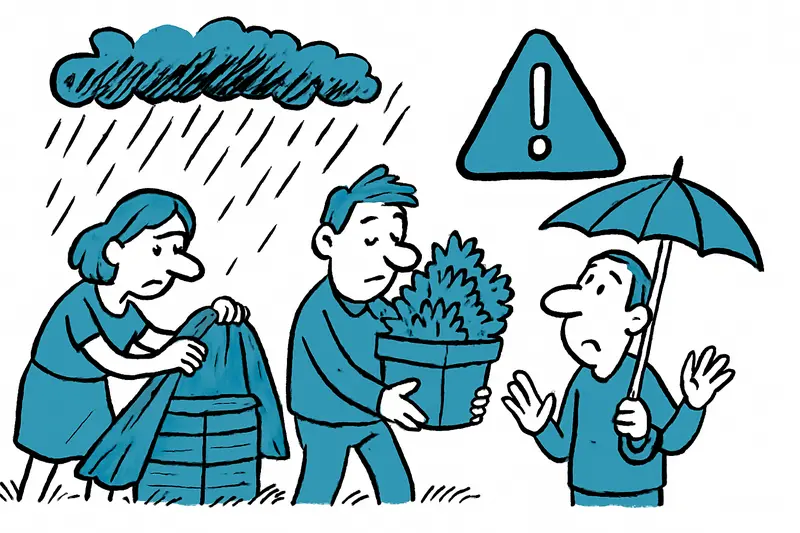
Yellow Alert on Mallorca: Next Rain Front Approaches — Is the Island Ready?
Aemet issues yellow warnings for the south, southwest and central Mallorca: thunderstorms and heavy rain will push down ...
How Burglars Test Fincas in Mallorca — and What You Can Do Right Away
The police warn: simple markers like silicone threads or small pieces of paper reveal to burglars whether a front door h...
More to explore
Discover more interesting content

Can Cap de Bou

Townhouse Lleo 72
