
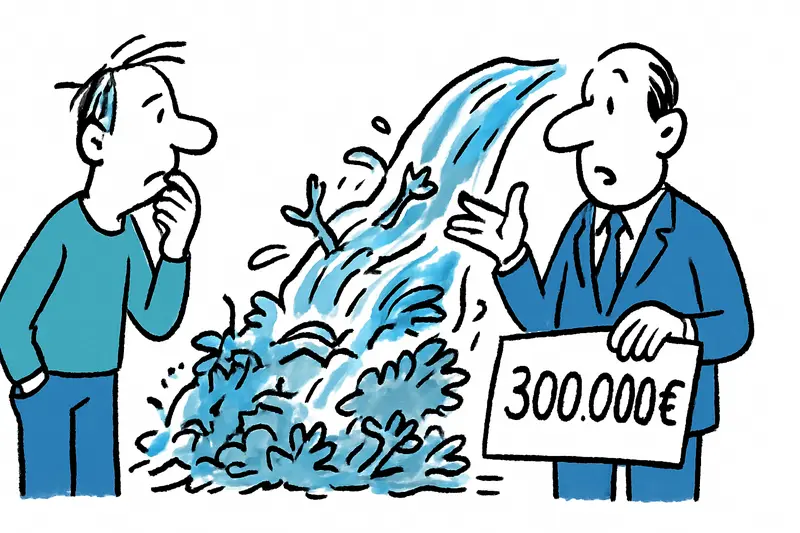
€300,000 for the torrents — is that enough, or will it remain patchwork?
€300,000 for the torrents — is that enough, or will it remain patchwork?
The Balearic government is allocating €300,000 so that farmers can clear torrents on their land of scrub, rubbish and invasive plants. A good idea — but is the money enough to make Mallorca permanently safer from heavy rain?
€300,000 for the torrents — is that enough, or will it remain patchwork?
Who cleans what, and who pays the bill in the long run?
The message is clear: The Balearic government has released €300,000 so that farmers can clean and keep the torrents on their land free. Funded works include removing scrub, clearing away rubbish and pulling up invasive plants — measures intended to help water flow away more quickly during heavy rains. Applications are possible until the end of July. That's the short version, as outlined in When the Torrents Are Cleared: Cleaning Up Against Heavy Rain — Is That Enough?. The real question is: Is that enough and does it target the right levers?
Guiding question: With what logic is this funding distributed, and is it more than a short-term measure before the next rain front? If you stand on a hot morning in Campos on the Camí Vell, you sometimes hear tractors working, dogs barking, and in the distance the clatter of chainsaws. Such scenes show that pragmatists often work the fields — but they also show what's missing: coordination and a clear, long-term concept.
Critical analysis: €300,000 sounds like a solid sum, but when you put it in relation to the area of Mallorca, the number of private stream beds and the costs that disposal of construction waste and invasive plant material can cause, the amount quickly shrinks. The funding apparently covers labor and direct clean-up work; it remains unclear whether transport costs for rubbish, storage of plant waste or necessary machine hours are covered. It is also not obvious how priorities are set — will critical bottlenecks at roads and residential areas be considered first, or will mainly large cultivated estates benefit? This concern echoes coverage in After the Rain: Who Cleans the Streams — and Is It Enough?.
What's missing in the public discourse: three points stand out. First: a transparent prioritization map of the endangered torrents. Residents in districts that regularly have water on the streets during heavy rain must know whether their area is on the list. Second: clear guidelines for professional execution. Not every uprooted plant is equally problematic; wrong interventions in riparian zones can worsen erosion problems and harm local species. Third: an agreement on disposal costs. It's no use cutting back scrub if no one collects or legally disposes of the piles.
Everyday scene: Imagine the access road to the group of fields between Campos and Santanyí on a rainy afternoon. The smell of wet earth, a farmer working with heavy rubber boots and a chainsaw on an overturned thornbush, and beside him young people loading old plastic tarpaulins from a bridge into a car. Without a collection service, the material piles up at the field edge, and at the next surge of rain part of it will be washed back into the stream.
Concrete solutions: First, a two-tier funding structure. Part of the money for direct cleaning actions at high-priority sites (road crossings, proximity to towns), another part as mobility and disposal subsidies so that material is not simply left at the field edge. Second, machine sharing and wage subsidies: small farmers often need excavator buckets or mulchers at short notice; regional cooperatives could provide such equipment with subsidies. Third, technical guidelines and training: short workshops on sensible bank maintenance to avoid damage to the natural retention capacity. Fourth, a digital reporting point and map: citizens, municipal employees and farmers report blockages, and priorities are publicly viewable. Fifth, longer-term investments: retention basins, culverts with larger capacity and renaturation strips along important torrents reduce the risk during heavy rain more than one-off cleanings.
Practical question: Who ensures that removed invasive species are not simply resettled next door? This requires tracking of disposal and, where necessary, cooperation with local processing sites or composting facilities that do not accept invasive plants. Otherwise the action is a short-lived success without sustainable effect.
Also important is division of labor with the municipalities. Many torrents cross public paths or roads; responsibility does not end at the hedge of a private property. Municipalities would therefore need to create action plans coordinated with the funding measures and provide logistical support — from road closures during work to collection of cut material, as discussed in 54 million euros for Mallorca's municipalities: Opportunity or bureaucratic boomerang?.
Pointed conclusion: The €300,000 is a step in the right direction, but it must not serve as a substitute for long-term water and landscape planning. A subsidy program without clear priorities, disposal logic and professional support risks only treating symptoms. If the government now makes improvements — transparent prioritization, disposal subsidies, machinery pools and a map of critical stream sections — then short-term cleanups can become a sustainable safety net for Mallorca. Until then much remains patchwork, which will be visible again at the next big rain front.
Frequently asked questions
What kind of weather can you expect in Mallorca in the second half of the week?
Is it warm enough to swim in Mallorca at this time of year?
What should you pack for Mallorca when the weather keeps changing?
Is Mallorca a good place for outdoor plans if the forecast is mixed?
What is the weather usually like in Palma de Mallorca in spring?
Is it worth visiting Mallorca’s beaches during a windy or cloudy day?
How does spring weather affect hiking in the Tramuntana Mountains in Mallorca?
What should families in Mallorca keep in mind during unsettled spring weather?
Similar News
Injured captain, big plans: Germania Mallorca before the away match in Consell
The newly founded FC Germania Mallorca travels to Consell on Saturday. Captain Bastian Müller is out injured, but coach ...
Palma, Palma de Mallorca, Palma‑Mallorca: What is it really about?
The debate over the city's name is more than grammar: it concerns identity, law and branding policy. A sober reality che...

Warning to Bathers: Nipping Fish in Cala Major and Other Coves — a Reality Check
In Cala Major and several beaches around Mallorca, bathers report painful “nips”. Who are the animals, why are they gett...

Rental Car Theft in El Arenal: What This Incident Reveals About Our Gaps
A teenager steals a running rental car in El Arenal, flees on foot, climbs over walls and is caught by the Guardia Civil...

Red Rope in Palma's Library: What Helps Against Selfie Tourism — and What's Missing
Palma's city library cordoned off an area with a red rope to keep selfie tourism away from reading and working activitie...
More to explore
Discover more interesting content

Can Cap de Bou

Townhouse Lleo 72
