
Adrift, 17 Dead: What This Tragedy Means for Majorca
Adrift, 17 Dead: What This Tragedy Means for Majorca
Two survivors say 17 people died after a 15-day drift south of Majorca. A reality check: what do we know, what is missing, and what must change?
Adrift, 17 Dead: What This Tragedy Means for Majorca
Guiding question: How were 19 people able to drift at sea for 15 days until two survivors were rescued south of Majorca?
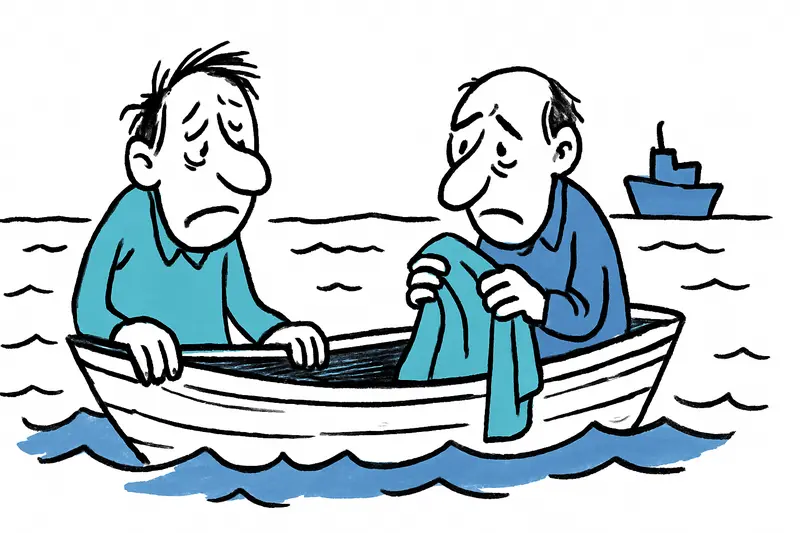
In the early hours, maritime rescuers reported two men who were recovered on the verge of exhaustion south of Majorca. They say there were originally 19 people on board a small wooden boat and that 17 of them died during a 15-day drift. The survivors were taken to the University Hospital Son Espases in Palma. Salvamento Marítimo and the Guardia Civil were involved. These sparse facts are not enough to close the case.
Critical analysis: Information disappears quickly on the water. We know where the two men were picked up and that further operations took place around Ibiza and the Balearics (including a rescue of 15 people and several landings with dozens of others). What we do not know are the concrete circumstances under which the wooden boat put to sea, how long it remained navigable, how much fuel or drinking water was onboard, and what role smuggling networks played. The official rescue work is described; what is missing is the chain before that: the departure point, calls for help at sea, or failures on board.
What is missing from public debate: Three things are hardly discussed. First: the logic of the routes. Anyone who knows the sea around Majorca — the swell, the warm shear winds in summer, the currents — knows that small boats do not "just arrive" here. Second: the question of legal alternatives. Not everyone flees for the same reason, but many see no safe route and therefore take deadly risks. Third: reliable figures on missing persons at sea, as discussed in 18 People Missing off Mallorca — A Call to Politics and Society.
Everyday observation from Palma: On hot August evenings, when the cafés along Passeig Mallorca are half full and the seagulls circle the harbor, you sometimes hear the deep drone of a helicopter passing out over the sea. For locals this is no longer an unusual sound — yet sitting in the harbor at night the story behind such a drone quickly becomes personal: the sunburnt fisherman on the mole speaks of unmarked rubber boats, of small groups picked up at night, and of incidents like Patera Capsizes Near Portopetro — One Dead, Three Missing and Many Unanswered Questions. Such anecdotes are not official data, but they show that the island is on the edge of a constant challenge.
Concrete approaches: We need pragmatic measures, not platitudes. First: better equipped, rapidly deployable search-and-rescue units along commonly used routes, with coordinated information sharing between Salvamento Marítimo, the Guardia Civil and civilian observers, as highlighted by cases like Shipwreck at Cala Millor: One Dead, Many Questions — How Can We Better Protect People?. Second: low-threshold landing points on land in North Africa and on the Canary/Balearic islands that offer safe disembarkation and reception options — so people are not forced to drift for two weeks. Third: targeted investigations against smuggling networks in the region, combined with local prevention, training for communities and information campaigns in countries of origin. Fourth: a binding mechanism for the rapid identification, registration and emergency medical care of rescued people — so individual cases do not fade away in forms.
Politics and administration must set clearer priorities: more boat patrols help only to a limited extent if safe alternatives on land are lacking and international cooperation stalls, a debate reflected in Boat tragedy off Mallorca: Between grief, legal battles and the question of a Plan B. Majorca's island situation makes implementation more complicated, so bilateral agreements with origin countries and EU-supported programmes are indispensable here.
Pointed conclusion: 17 dead are not a statistic but people behind a box of conjectures. The rescue of the two survivors made the gap visible for a moment — but without an honest inventory and concrete steps the tragedy will repeat. Whoever sits in a summer harbor and hears the drone of drones or helicopters should not let it become routine. Immediate measures for better rescue, long-term strategies against smugglers and safe routes for people fleeing are needed. Only then will the sea stop losing its memory.
Frequently asked questions
How do sea conditions around Mallorca affect swimming and boating in summer?
What signs indicate a distress situation at sea near Mallorca?
What measures are being discussed to prevent similar tragedies around Mallorca and the Balearics?
What are the known details of the Majorca tragedy involving 17 deaths and two survivors?
Are there plans for safe disembarkation options near Mallorca for rescued migrants?
What is known about smuggling networks and their role near Mallorca?
Which agencies responded to sea emergencies around Mallorca and the Balearics?
Where are survivors taken for medical care after rescue near Mallorca?
Similar News
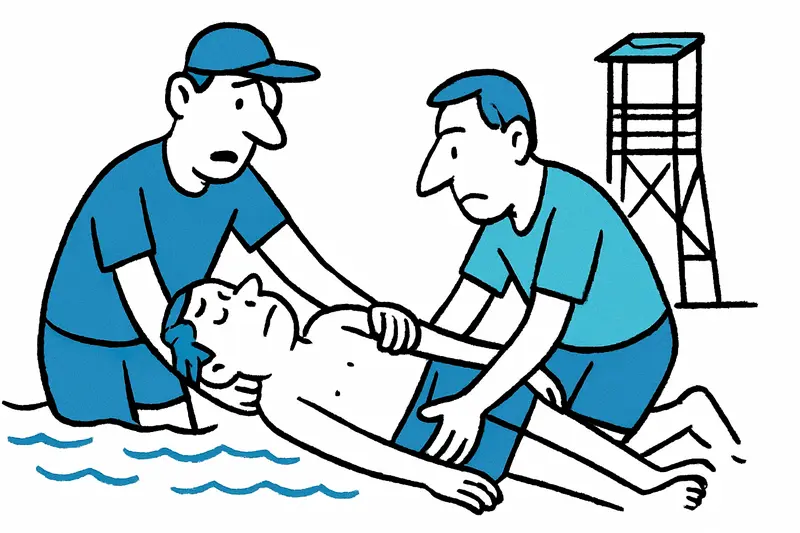
Magaluf: Watchtower Alarm – Lifeguards Pull Unconscious Beachgoer from the Water
After a drama in the late afternoon, two lifeguards at Magaluf beach rescued an unconscious 44-year-old man. He was stab...

Turquoise in the City: How dangerous is the color play of the Sa Riera?
The Sa Riera in Palma suddenly turned turquoise — a pretty motif, but behind the effect lies a discharge of saline waste...

Jeckliner at Sunnesching: Cologne spirit sets sail from Palma
In September 2027 the Mein Schiff 2 briefly becomes a floating carnival stage: four days with Cologne bands, comedy and ...
Finally Home: Mike and Leyla Heiter Buy Villa with Sea View in Mallorca
The reality TV couple Mike and Leyla Heiter have bought a house in Mallorca with a roof terrace and sea view. An Instagr...
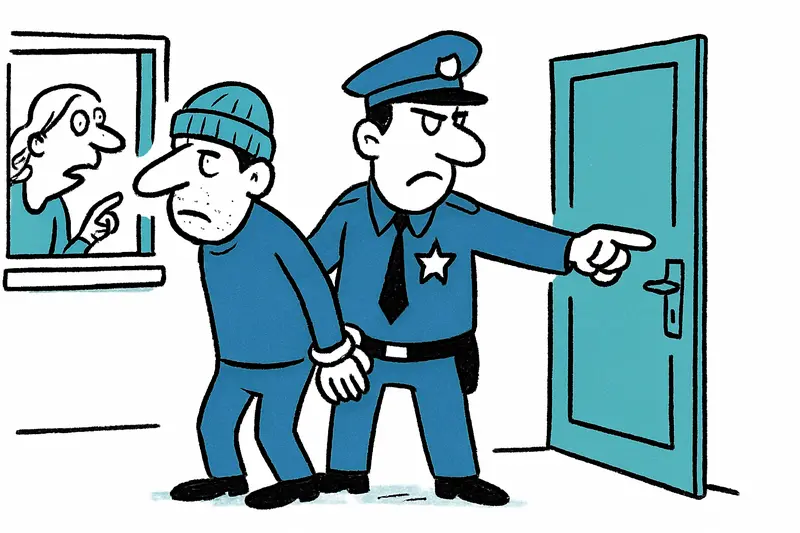
Arrest after series in Palma: Who protects apartments from repeat offenders?
The National Police arrested a man in Palma who investigators say may have broken into several apartments. In one incide...
More to explore
Discover more interesting content

Can Cap de Bou

Townhouse Lleo 72
