
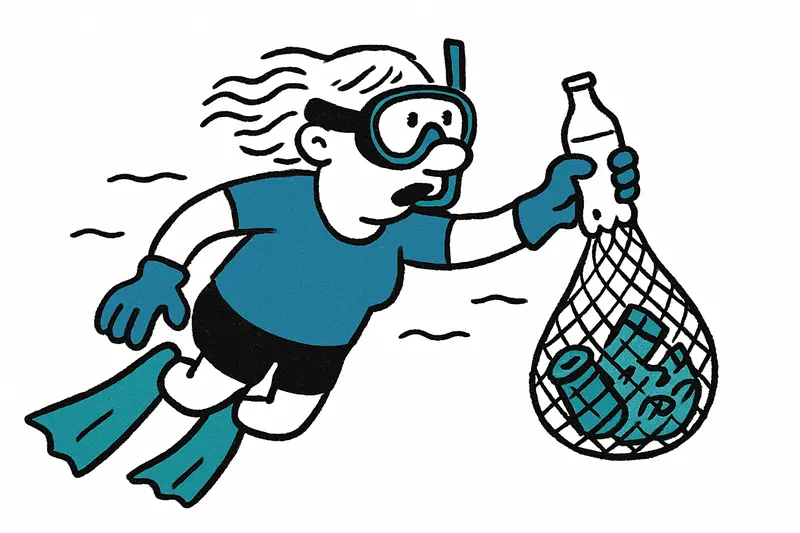
With Fins and a Net: How a German Freediver Keeps Mallorca's Coasts Clean
Early in the morning, when the boats are still asleep, Angela dives with a mask and a mesh bag into Mallorca's coves — a small, effective contribution against plastic in the sea.
One person, a diving mask and a mesh bag: This is how a small cleanup begins
When the sun already lies flattering over the east coast in the late morning and the engines of the excursion boats are just tentatively starting in the distance, Angela puts on her fins. Not with a tank, but with air in her lungs, she glides along shallow reefs and into the narrow coves that many of us visit for snorkeling on warm days. A few minutes are often enough, and the mesh bag is already well filled.
Why she does it
The 50-year-old from near Stuttgart has been coming to Mallorca for more than three decades. For her, the island is more than a holiday: a place where thoughts can be put in order and where the surf washes away old baggage. "I can think more clearly here," she says between two breaths, while seagulls cry and the soft clink of spars from the harbor can be heard in the background. If she can give something back, she does — with fins and gloves.
Trained freediver, preferred targets: small coves on the east coast, clear water, shallow reefs and many fish. Between posidonia beds and rocks she finds plastic tarpaulins, drink cans, glass bottles and countless small plastic pieces that are easily overlooked while snorkeling, a problem captured in What Lies Beneath Mallorca's Coast: Trash Slipping Out of Sight. Everything goes into her trash bag, which she properly disposes of on land after each dive.
The problem is bigger than one person
Estimates suggest that enormous amounts of plastic enter the Mediterranean each year — from large debris to microplastic particles. The sea between the coasts is not an endless dumping ground; much of it remains in coves and on shores. Authorities and volunteers have recovered many tons of waste from the Balearic Sea in recent months and years, as reported in Who cleans up the sea? Almost eight tons of waste off the Balearic Islands — and the uncomfortable answers and in 6.5 Tons of Waste in July: Why Mallorca's Coasts Keep Struggling. Still, beaches and underwater landscapes remain vulnerable — especially in small, sheltered coves where plastic tends to stay put.
"It's even fun" — and it's simple
For Angela, cleaning up is not a burden. She compares it to collecting rings at the pool as a child. The equipment is unspectacular: mask, fins, gloves and a simple mesh bag. "Anyone who can snorkel can also pick up rubbish," she says with a laugh. Sometimes two minutes of diving are enough to fill a bag.
Her appeal is pragmatic: don't wait for others to do it. Take a grabber or a bag on the next beach trip, pick up a few plastic pieces on the sand, throw waste into the designated bins at harbors and beach access points. Small gestures add up; at the end of the day the sea can be a bit cleaner.
A call to locals and visitors
Angela connects with like-minded people — local groups and neighbors meet for small cleanup actions, some coordinate via messenger, others simply meet in the mornings at the harbor. You don't have to be a pro to join: a short dive, a bucket on the beach, a pair of gloves. Tomorrow will be a calmer morning by the sea: the water sparkles, fishermen set their nets, the wind is barely noticeable. A little attention, and Mallorca remains a place we like to find clean.
In the end, it's not a grand heroic plan, but an attitude: the island is a source of strength for many. Giving a little back costs little time but creates a good feeling — and clean coves for the next generation.
Frequently asked questions
What is the best time of year to snorkel in Mallorca's coves?
What should I bring if I want to help clean up Mallorca's beaches or coves?
Is it safe to pick up rubbish while snorkeling in Mallorca?
Why do small coves in Mallorca collect so much plastic waste?
Which parts of Mallorca are good for a small beach cleanup?
How can visitors help keep Mallorca's sea clean without joining a formal cleanup?
What kind of rubbish is most often found in Mallorca's coves?
Can one person really make a difference in cleaning Mallorca's coast?
Similar News
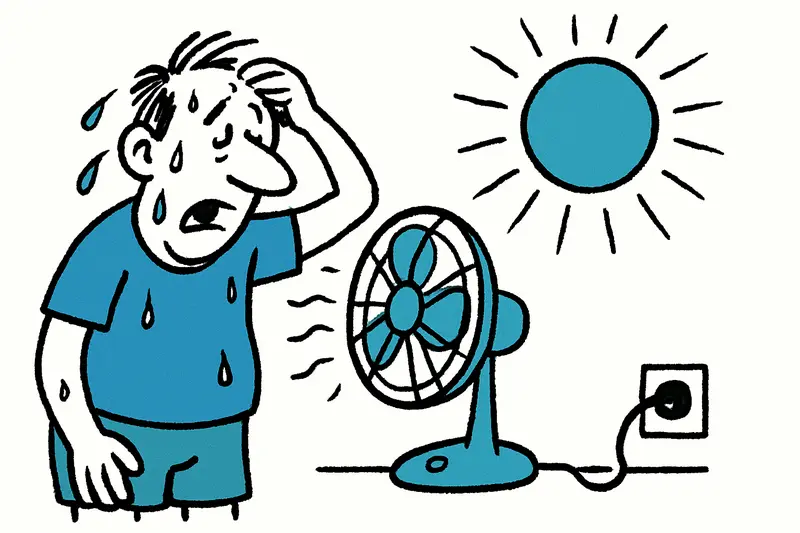
Heat and Power: Why the Balearic Islands Are Sweating Now — a Reality Check
Weeks of heat waves, rising cooling demand and suddenly flickering lights: Mallorca, Ibiza and Formentera have seen an i...
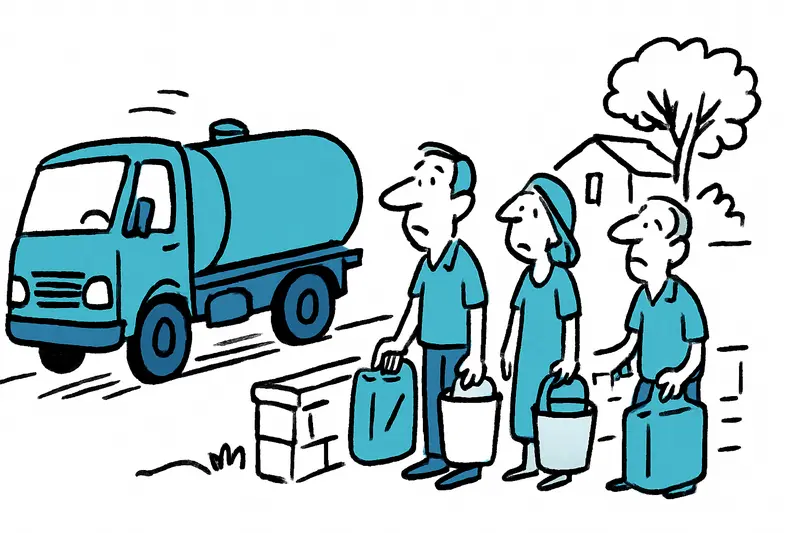
When the Water Taps Run Dry: Why Tankers Are Not the Solution
In villages like Deià, Valldemossa or on Menorca, municipalities are limiting water use because of drought. Who decides,...

Ryanair Flight Diverted to Barcelona: An In-Flight Emergency and the Questions That Follow
A Ryanair jet from Pisa to Málaga landed in Barcelona after a passenger became acutely ill. Why these cases need more at...
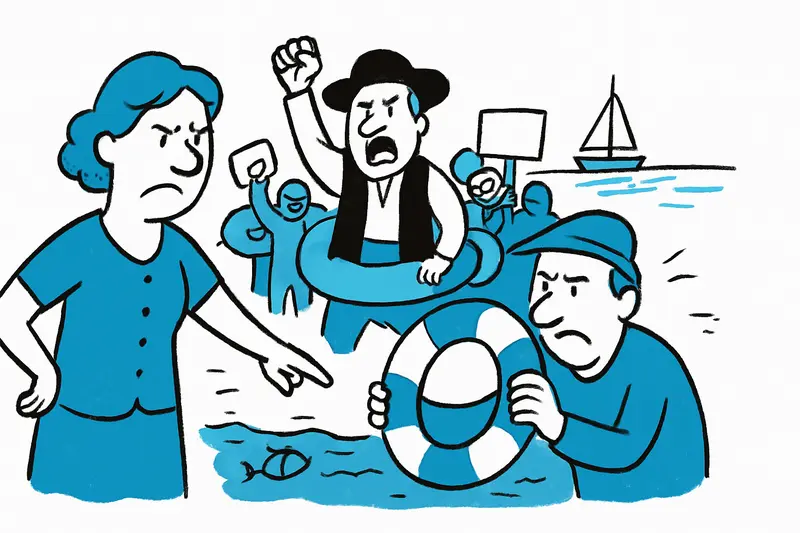
Alarm in Port de Pollença: What now for the polluted bay?
Hundreds of people protested on the beach of Port de Pollença. The environmental organization Arrels Marines demands a p...

Micaela Schäfer: Between Playa de Palma and a Berlin Law Firm — New Calm, an Old Tomcat and Solid Finances
The party artist from the Ballermann scene appears surprisingly down-to-earth: a new relationship with a Berlin lawyer, ...
More to explore
Discover more interesting content

Boat Tour with BBQ along Es Trenc Beach

Private transfer from Mallorca Airport (PMI) to Pollensa
