
How Mallorca’s Archduke Legacy Is Crumbling — Who Will Stop the Decay?
How Mallorca’s Archduke Legacy Is Crumbling — Who Will Stop the Decay?
Dozens of viewpoints, chapels and rest stops that Archduke Ludwig Salvator established from the late 19th century along the coast between Valldemossa and Deià are falling into disrepair. Who is responsible — and what needs to be done before nature and vandalism swallow everything?
How Mallorca’s Archduke Legacy Is Crumbling — Who Will Stop the Decay?
The question nobody asks out loud: Whose task is it to save the archduke’s miradors, chapels and paths?
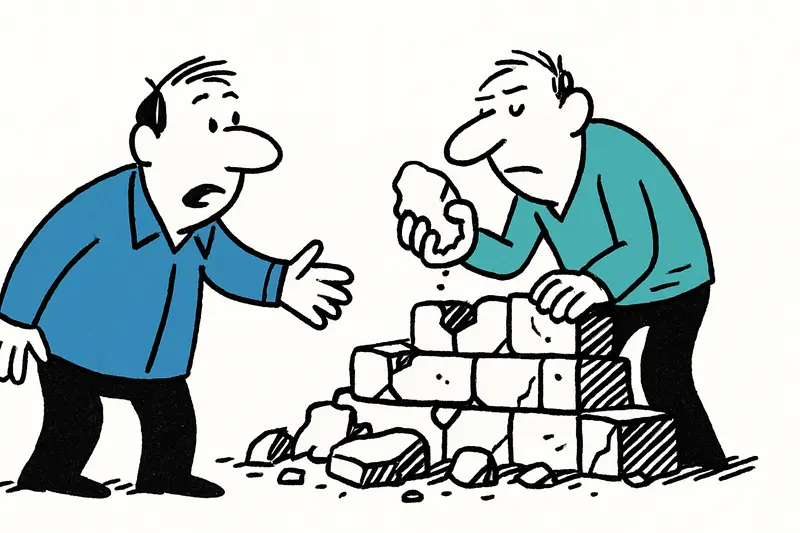
In the late morning, when the local bus in Valldemossa reaches the stop Ca Madó Pilla and travellers stretch their legs, you can hear the rustle of pine needles like an old ticking. The wind carries the scent of salty air, even though the sea is still a half-hour walk away. Those who these days climb the steep path up to the Mirador des Port encounter crumbling walls, moss-covered blocks carelessly lying in the undergrowth, and rusty plaques whose inscriptions are barely legible. It is as if one were walking through an open history book whose pages have been warped by rain.
The central question is simple and sharp: Who bears responsibility for the fact that a cohesive landscape-architectural ensemble, once intended for public, partly communal use, is now falling into neglect? There are many owners and responsible authorities, but concrete measures are missing. For decades pines have overgrown sightlines, retaining walls are crumbling (see Collapse at Palma's City Wall: What Needs to Happen Now), staircases have become dangerous, and chapels like the Capella del Beat Ramon have lain in ruins since the lightning strike in 1975. This is not just about stones — it is about a designed landscape in which paths, viewpoints and small structures together expressed an idea of public use.
A critical analysis reveals several failings that interact: First, there is a lack of rigorous enforcement of existing monument and forestry laws. Legislation allows intervention up to compulsory restoration or expropriation, yet in practice the approach remains soft and negotiation-oriented. Second, the ownership structure is fragmented: parts of the archduke’s former property are private, parts public; without clear prioritisation, substance is lost (see Decay by the Sea: Who Will Solve the Mystery of the Hostal in Alcúdia?). Third, there is no sensible financing mechanism for ongoing maintenance: one-off restorations do little if the paths, sightlines and woods are not continuously cared for. Fourth, public discourse lacks awareness that landscape care also includes sightlines and small cultural monuments — the debate often focuses only on large monuments or nature conservation.
What is missing in the public debate is a binding plan with clear priorities. Instead we hear general assurances: people say they want to negotiate, they are examining solutions. Concrete urgency levels are absent. There are also hardly any local, visible examples of citizen participation that go beyond occasional clean-up actions. The voices of those who use these paths daily — farmers, hiking guides, older residents of Deià or Valldemossa — too rarely reach decision-making fora.
A realistic everyday scenario: A pensioner from a finca near Son Marroig descends every Tuesday with her basket to the bus stop. She knows every bench, every stretch of wall. She complains at the mayor’s office, shows photos of falling stones. A civil engineer comes and makes a temporary marker. Weeks later a simple warning note hangs on a post; the path remains open. The pensioner continues to use it because it is her only connection to town. Such scenes show: safety problems are real, responsibility often remains smoke and mirrors.
Concrete solutions that can be applied immediately can be grouped into three levels: immediate measures, medium-term structural projects and long-term financial and legal instruments. Immediate: close or secure dangerous sections at once, set up emergency shelters, carry out a professional inventory of all endangered points (stability checks of the miradors, condition surveys of the chapels). Informational signs could explain to visitors why certain paths are temporarily closed.
In the medium term, the island council (Consell de Mallorca), together with the affected municipalities, should draw up a priority plan: which miradors are of particular cultural-historical value or present an acute risk? For these sites regular maintenance brigades should be deployed, ideally in cooperation with local landowners as part of Custodia del Territorio projects. Where owners cooperate, subsidy agreements could be concluded that legally set out maintenance duties and access arrangements.
In the long term a financial mechanism is needed: reserve a small share of the tourist overnight tax specifically for the preservation of this cultural heritage, coupled with EU culture and landscape funds. Where necessary, the Consell should consider acquiring particularly endangered parcels — not as a first reflex, but as a last resort if negotiations fail. A stricter sanctioning regime should also be established for owners who ignore clear legal duties: graduated fines, deadlines for action and ultimately compulsory measures.
None of this is magic. These are practical steps: map, prioritise, close off, maintain, finance, monitor. Citizen initiatives could sponsor individual miradors — a village group takes on regular inspections, the Consell funds materials and professional oversight. The tourism sector should participate: the viewpoints are part of the productive heritage from which the industry also benefits (see After Eleven Years at the Top: What Mallorca's Tourism Radar Really Needs to See). A transparent project with local ties generates acceptance.
In conclusion, a clear appeal remains: if we do not act soon, we will lose more than old stones. We will lose the archduke’s idea of an accessible landscape where nature and culture interact. Whoever in future comes by bus to Valldemossa and dares the short climb to the mirador ruins should not find only rubble and overgrown pines, but safe paths, explanatory panels and — yes — unobstructed views of the sea again. It is possible. It costs money and effort. But it will cost more if we continue to watch the legacy crumble.
Frequently asked questions
Why are the archduke's paths and viewpoints in Mallorca falling into neglect?
Can you still walk to the Mirador des Port from Valldemossa?
Who is responsible for maintaining Mallorca's old miradors and chapels?
What can Mallorca do to stop heritage paths from becoming unsafe?
Why is the Capella del Beat Ramon in ruins?
What should visitors expect at the archduke miradors near Valldemossa?
How could Mallorca pay for restoring its historic landscapes?
What role can local residents play in saving Mallorca's heritage paths?
Similar News
Injured captain, big plans: Germania Mallorca before the away match in Consell
The newly founded FC Germania Mallorca travels to Consell on Saturday. Captain Bastian Müller is out injured, but coach ...
Palma, Palma de Mallorca, Palma‑Mallorca: What is it really about?
The debate over the city's name is more than grammar: it concerns identity, law and branding policy. A sober reality che...
Warning to Bathers: Nipping Fish in Cala Major and Other Coves — a Reality Check
In Cala Major and several beaches around Mallorca, bathers report painful “nips”. Who are the animals, why are they gett...

Rental Car Theft in El Arenal: What This Incident Reveals About Our Gaps
A teenager steals a running rental car in El Arenal, flees on foot, climbs over walls and is caught by the Guardia Civil...
Red Rope in Palma's Library: What Helps Against Selfie Tourism — and What's Missing
Palma's city library cordoned off an area with a red rope to keep selfie tourism away from reading and working activitie...
More to explore
Discover more interesting content

Can Cap de Bou

Townhouse Lleo 72
