
When Mental Health Crises Disrupt Air Travel: Lessons for Mallorca After the Nuremberg Incident
An incident at Nuremberg Airport — a 37-year-old became physical, was escorted away and later violent again. What does this mean for Mallorca, its airports, taxi drivers and holidaymakers? We analyse gaps, risks and practical solutions.
One evening, two deployments — and many questions
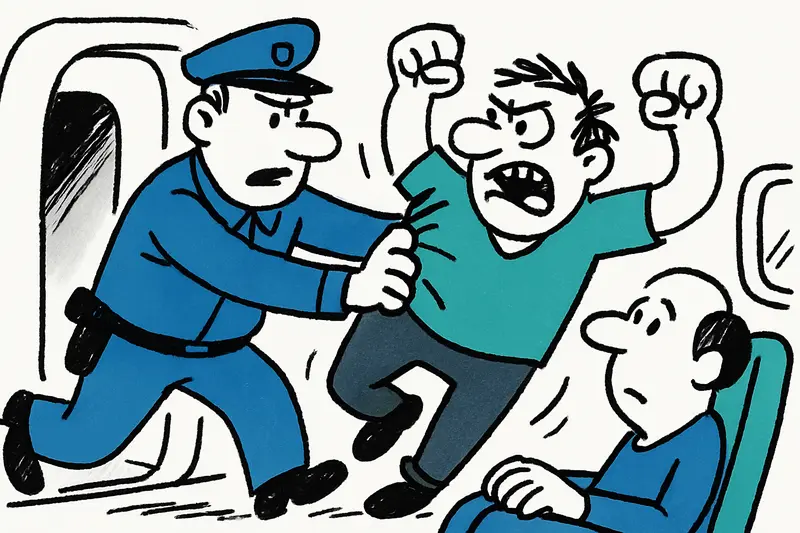
On Saturday evening a quiet waiting area in Nuremberg turned into a scene with flashing lights, police officers and unsettled passengers. A 37-year-old man allegedly attacked a 61-year-old fellow traveller because he believed her phone was emitting dangerous signals. A short time later the man was back near the airport — a taxi driver reported an assault, the police detained him again and eventually ordered inpatient psychiatric care.
The key question: Are our airports prepared for mental health crises?
This is not an abstract scenario — it happens; similar incidents have been reported elsewhere, for example the Zurich stowaway incident. How well are airports, airlines, security teams and emergency services prepared when people in acute mental health crises become violent? Issues like this fall under the remit of bodies such as the European Union Aviation Safety Agency (EASA).
What the incident reveals — and what is often overlooked
At first glance it looks like an isolated case. But several aspects deserve closer attention: first, the interface between flight crews and emergency responders. Pilots reported the incident and the police intervened — that's correct. Second, the aftermath: the man reappeared, apparently disoriented and dangerous. That shows that a single removal is not always the end of the risk. There are also cases where arrests occur after flights, such as the arrest immediately after landing in Cologne/Bonn.
Third: mental health crises do not follow a timetable. At Palma airport on Mallorca it is often a busy, noisy place — announcements, the rumble of service vehicles, taxis honking at the entrance, olive trees and palms trembling in the wind. In such an environment someone who hears voices or is convinced of electromagnetic threats can escalate very quickly. Not only security staff, but also ground personnel, airport doctors and taxi drivers can be affected.
What is often not considered: the perspective of victims and witnesses
The older woman, the taxi driver, the waiting passengers — they experienced fear, anger and relief. For taxi drivers on Mallorca, who often wait alone at night in lay-bys or at the terminal, such attacks are particularly dangerous. A brief surge of violence can happen just as well in Palma or in a small neighbouring town like Valldemossa; incidents linked to Palma departures have even resulted in arrests abroad, for instance the arrest at Düsseldorf Airport after a flight from Palma.
Concrete: Measures that would help now
A few pragmatic approaches that airports and municipalities could implement quickly:
- Mobile crisis teams at the airport: Specially trained psychologists or crisis intervention teams who can be called in quickly when incidents are reported — similar to paramedics, but specialised in de-escalation and assessing psychiatric risk.
- Targeted training for staff: Airline crews, security, ground staff and taxi drivers should undergo regular short trainings in de-escalation, safe escorting techniques and proper documentation. A taxi driver in S'Arenal needs to know how to protect themselves and at the same time help without making the situation worse.
- Faster links between airport medical services and clinics: If an on-site doctor finds no immediate physical injuries, that does not mean there is no acute psychiatric danger. Clear protocols for short-term admission to specialised clinics would be sensible.
- Information for travellers: Short notices in waiting areas, at boarding or on screens about how to report suspicious behaviour and where safe zones are. Early intervention often helps before incidents escalate.
Legal and ethical limits
Involuntary hospitalisations are serious intrusions on personal freedom and must be legally justified. At the same time, the protection of uninvolved people is paramount. On Mallorca as elsewhere, transparent rules are needed that balance humane treatment of those affected with public safety.
Looking ahead — an alarming wake-up call
The incident in Nuremberg is not a Mallorca event, but it is a lesson. In the streets of Palma you sometimes hear the distant sea, the murmur of cafés and the squeak of suitcase wheels on the terminal floor — snapshots of a place frequented by many people. We should learn from this: better prepared spaces, faster access to psychological help and more training for the people who work at the airport every day would make the island safer — for arrivals, departures and those who live and work here.
The flight to Barcelona left later — but the real landing took place only on paper. The question remains: Are we truly ready if it happens more often?
Frequently asked questions
How prepared are Mallorca airports for a mental health crisis?
What should airport staff in Mallorca do if a passenger seems mentally unwell?
Can a passenger in Mallorca be removed from an airport and still pose a risk later?
What support should Mallorca taxi drivers get when airport incidents happen?
Is Palma airport a difficult place for someone having a mental health crisis?
What are the signs that a traveller in Mallorca may need urgent psychiatric help?
When can someone in Mallorca be taken to psychiatric care against their will?
What airport safety measures would help prevent incidents in Mallorca?
Similar News
Warning to Bathers: Nipping Fish in Cala Major and Other Coves — a Reality Check
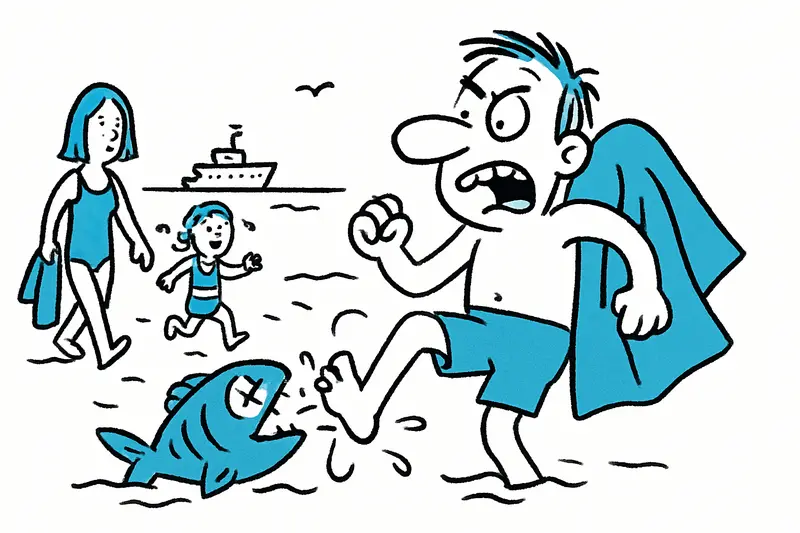
In Cala Major and several beaches around Mallorca, bathers report painful “nips”. Who are the animals, why are they gett...
Rental Car Theft in El Arenal: What This Incident Reveals About Our Gaps
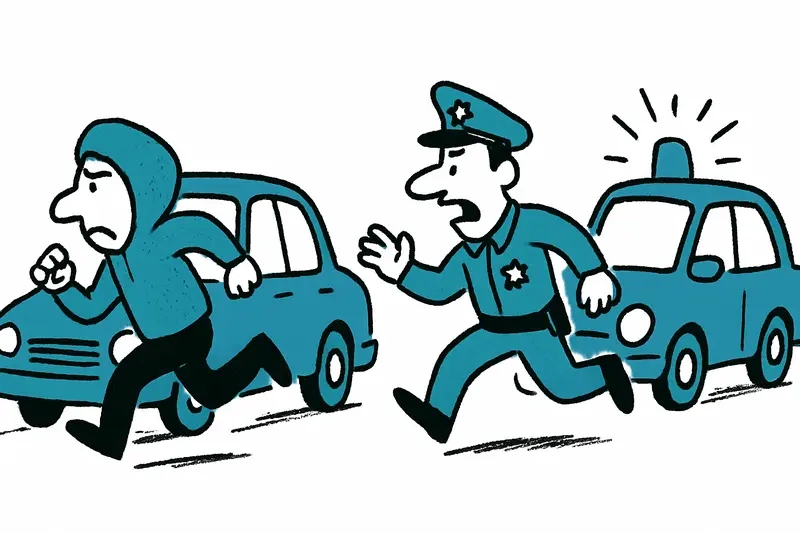
A teenager steals a running rental car in El Arenal, flees on foot, climbs over walls and is caught by the Guardia Civil...
Red Rope in Palma's Library: What Helps Against Selfie Tourism — and What's Missing
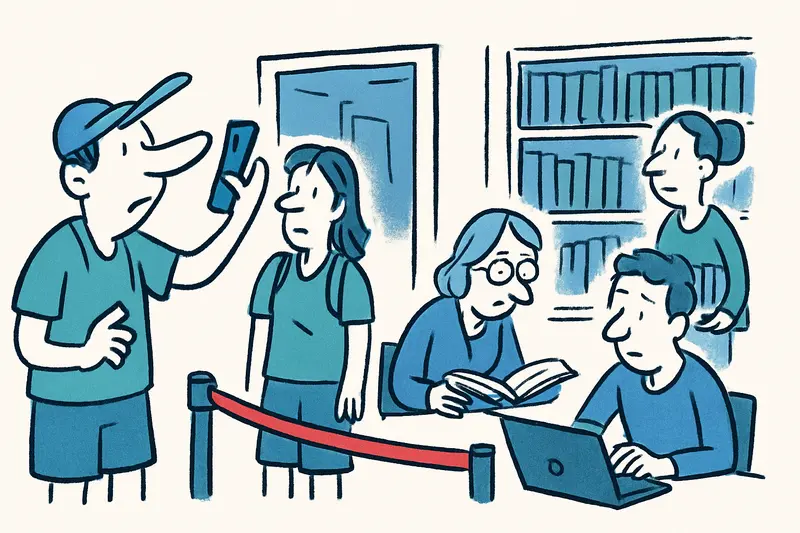
Palma's city library cordoned off an area with a red rope to keep selfie tourism away from reading and working activitie...
Fort San Carlos: Museum, Harbor Dispute — and a Conflict That Demands Answers
The military museum at Fort San Carlos sits right on Palma's harbor, with unexpectedly quiet rooms filled with cannons a...
Old Town Under Pressure: When a Doorway Becomes a Sleeping and Shower Place
For months a woman has been living with a parasol, a clothes rack and personal belongings next to the social welfare off...
More to explore
Discover more interesting content

Can Cap de Bou

Townhouse Lleo 72
