
Attack at Passeig del Born: When Violence Hits the Promenade
Attack at Passeig del Born: When Violence Hits the Promenade
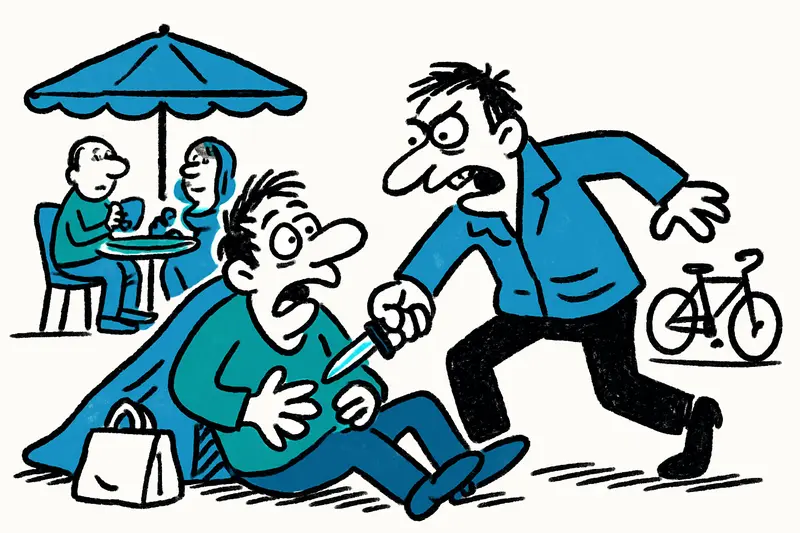
On Passeig del Born a dispute among homeless people escalated: a man is alleged to have stabbed another with a letter opener. An arrest was made, stolen goods were found, and questions about responsibility arise.
Attack at Passeig del Born: When Violence Hits the Promenade
On Thursday afternoon the usually tiled heart of Palma came into focus when an argument between two people without a fixed home turned violent. One of those involved is said to have stabbed the other with a letter opener; witnesses alerted the National Police (Policía Nacional), which arrested a suspect shortly afterwards. During the search, among other items, travel cards for public transport, fuel cards, a bank book and the weapon used were seized. The arrest follows other local incidents covered in Nighttime Attack on the Paseo Marítimo: How Safe Is Palma’s Party Mile Really?.
Key question
How can it be that on a prominent promenade — between shop windows and tourists — a conflict can escalate into a violent robbery with cuts, and what would need to change so such scenes become less frequent?
Critical analysis
The facts are harsh: a 32-year-old man, who according to the police is from Morocco, is alleged to have stolen tools and items from a 48-year-old. When the victim resisted, a screwdriver and a letter opener are said to have been used; the 48-year-old suffered a minor cut to the abdominal area. Such incidents reveal a spiral often overlooked on the island: loss of possessions, the use of violence to enforce everyday needs, and short flight episodes in which new crimes occur. On the other hand there is a public space — the Passeig del Born — which serves not only residents but also many people without homes as a place to stay. There, very different economic worlds meet: luxury stores and people in precarious living situations, an issue also explored in What do investors want with the upper Passeig del Born?. Without integrated strategies the result often remains only police intervention without sustainable consequences.
What is missing from the public discourse
Discussions often fail to distinguish between criminal prosecution and social policy. There is a taboo about looking: what drives people without fixed homes to theft? How many need medical or mental health support? Too rarely is it asked how urban spaces would need to be designed so that conflicts do not escalate into violence in the first place. The small market for stolen items — from bus cards to fuel cards — is also rarely addressed, even though it makes such crimes economically attractive.
Everyday scene from Palma
Anyone who walks along the Born knows the picture: cafés with people sitting outside, bicycles, occasional street music, pigeons, and the soft rattling of delivery vans in the side streets. Against this backdrop improvised encampments stand out: blankets, bags, cardboard. As soon as the sun fades, groups draw closer and tensions rise. I have often seen passersby look away suspiciously, shopkeepers briefly take their goods inside and police observe the situation — yet the exchange between municipal enforcement, social workers and the neighborhood remains sporadic and piecemeal; comparable early-morning escalations have also occurred elsewhere, as reported in Brawl at Playa de Palma: Why a verbal exchange could have ended fatally.
Concrete solutions
1. Mobile social teams instead of patrols only: social workers with health services should be regularly present at hot spots to defuse conflicts early and connect people with help. 2. Secure storage options: short-term available lockers or storage points could reduce theft of useful everyday items. 3. Networking of actors: police, city administration, NGOs, churches and local businesses need fixed coordination channels with clear responsibilities. 4. Low-threshold therapy and employment programs: drug support, psychological care and job projects reduce the long-term risk of repeat offenses. 5. Transparent reporting channels: citizens must know who to contact, and victims need simple paths to legal clarification — without additional bureaucratic barriers.
Conclusion
The arrest at Passeig del Born is more than an isolated incident; it reflects structural weaknesses. In the short term police measures are appropriate and necessary. In the medium term, however, Palma needs a coordinated plan: fewer reactive operations, more networked assistance. Only then will the Born remain a place where people can stroll calmly and at the same time no one is driven into a spiral of violence.
Frequently asked questions
Is Passeig del Born in Palma still safe to walk around?
What should I do if I witness a violent incident in Palma?
Why do conflicts in city centres like Palma sometimes escalate so quickly?
What kind of support do homeless people in Palma need to reduce street conflicts?
What is the best time to visit Passeig del Born in Palma?
Can tourists in Palma be affected by street crime near central promenades?
What measures could help reduce violent incidents on Passeig del Born?
Should visitors avoid Passeig del Born after dark in Palma?
Similar News

Fewer Airlines, Fewer Destinations: What Palma's Winter Flight Schedule Means for Mallorca
Analysis shows: Winter at Son Sant Joan Airport will be quieter, with significantly fewer airlines and destinations. Who...
German tourist dies in Sa Calobra – a reality check for emergencies on Mallorca's beaches
A 40-year-old tourist died at the Torrent de Pareis. The emergency call, a doctor who happened to be present, a defibril...

Deadly Tractor Accident in Bunyola: What Needs to Be Done Now
In a work accident on an estate near Bunyola, a roughly 40-year-old man lost his life. His wife and a small child were o...
Head-first dive into the shallow part of Cala Fonoll: An accident and the unresolved question of responsibility
A young tourist dove into Cala Fonoll and was seriously injured. Key question: Why are clear warning signs missing at da...
Mistaken identity with fatal consequences: Brutal assault in S'Aranjassa — what's missing in the follow-up?
At S'Aranjassa a visitor to a finca was tied up, beaten and thrown out of a van. Three men have been arrested, including...
More to explore
Discover more interesting content

Can Cap de Bou

Townhouse Lleo 72
