
When Palma's buses heat up: Mistakes to avoid in crowded buses
When Palma's buses heat up: Mistakes to avoid in crowded buses
The island is filling up — and so are the buses. A clear guide: what to do (and what to avoid) so your trip to Palma doesn't end in an argument.
When Palma's buses heat up: Mistakes to avoid in crowded buses
Key question: How should I behave on overcrowded buses so it remains tolerable for everyone?
The answer sounds simple but is not always obvious in practice. Right now, especially in the mornings when people head to Plaça d'Espanya or the Passeig Marítim, lines such as the inner-city EMT buses or the red-and-yellow regional connections to Sóller are bursting at the seams in places. Incidents can worsen this, as shown in Accident on the Ma-19: Why Palma's Bus Network Collapses on Hot Days. That leads to frustration: the driver shouting into the microphone, the resident raising a shoulder, the mother with a stroller who can't find space.
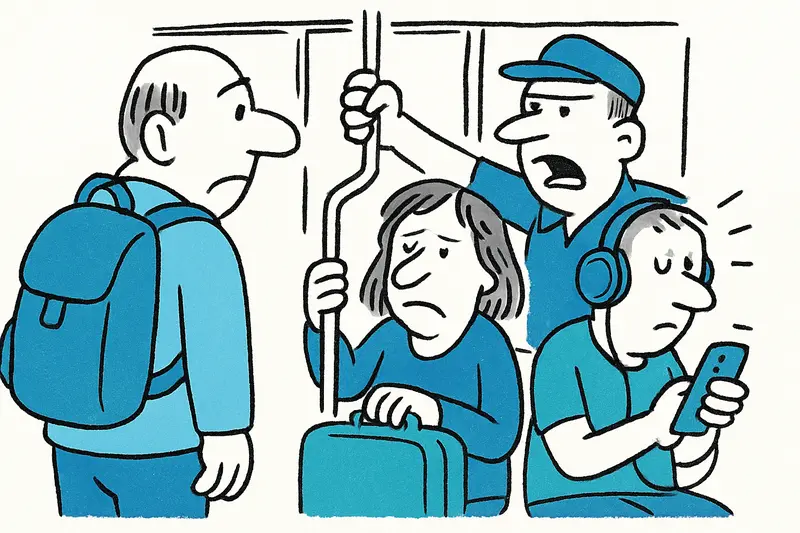
Critical analysis: The problem is not purely individual. Many tourists do not know how things work locally, and some commuters react irritably because bus frequency at main hubs hasn't kept up with passenger numbers, a situation covered in More buses, same jams: Palma's traffic stuck in a dilemma. The result: pushing in the front area, suitcases blocking the aisle, backpacks at shoulder height, loud music from headphones or phone speakers — all triggers for tensions.
What is often missing in public discussion is a sober talk about responsibility on both sides. People talk about missing frequency increases and too few vehicles, but less often about which simple rules of conduct would immediately ease daily life — and how the city could communicate them more clearly. Also rarely discussed: practical solutions for luggage on short routes or temporary staff at busy stops on weekends.
Everyday scene: A Tuesday morning at the stop on Avinguda de Jaume III. The 15 arrives, the first passengers board but remain near the driver because they only want to ride two stops. The driver says in a sharp tone "¡Por favor, pasen por atrás!" (Please move to the back!), an older woman maneuvers her shopping into a gap further back, two young people argue about whether the backpack can stay in the aisle. Outside engines roar, somewhere there is the smell of strong coffee from a kiosk — and the door stays half open because no one clears the way.
Concrete rules of conduct for passengers (immediately applicable): After boarding, move as far back as possible. Do not block the front rows; they are the bottleneck for boarding and alighting. Use available luggage racks for suitcases, position luggage so the aisle stays clear, and remove backpacks when it gets tight. Listen to music with headphones, not through speakers. Avoid open drinks and hot food on the bus. If seats are marked with green signs: give them to older people, pregnant women or passengers with reduced mobility.
What everyday data confirms: In Palma, EMT buses are marked with such green seats; card payment has been introduced and is usually faster than cash. A single ride costs two euros, and those paying cash should have coins or at most a ten-euro note ready. Observing this speeds up boarding significantly.
Concrete proposals for authorities and operators: Clear, multilingual signs at busy stops (Plaça d'Espanya, Avinguda de Antoni Maura), temporary service staff on tourist weekends, more luggage racks in vehicles or additional luggage carts for excursion destinations. In the short term, the number of reinforcement services at peak times could be increased; measures like this have been implemented before, for example at the start of the school term as reported in More Buses for the School Start: Palma Eases Morning Traffic. In the medium term, an information campaign in hotels and at airport terminals would help: short rules of conduct everyone should see before taking their first bus.
And what can each individual do right away? Allow a few extra minutes, show a bit of patience, and think: does the suitcase really need to go on the city bus, or would a central luggage locker at the port suffice? Offer your seat when older people board. Small gestures, big effect.
Pointed conclusion: If people move to the back, take off their backpacks and respect the green seats, that provides five more minutes of calm and makes an angry driver unnecessary. That would be a good start for a more relaxed summer in Palma.
Frequently asked questions
How should I behave on crowded buses in Palma?
What should I avoid bringing onto a busy bus in Mallorca?
Can I pay for the bus in Palma with cash?
Why are Palma buses so crowded in the morning?
Is it okay to keep my backpack on while standing on a bus in Mallorca?
What are the green seats on Palma buses for?
How can I make bus travel easier at Plaça d'Espanya in Palma?
What should tourists know before taking the bus to Sóller from Palma?
Similar News
Fewer Airlines, Fewer Destinations: What Palma's Winter Flight Schedule Means for Mallorca
Analysis shows: Winter at Son Sant Joan Airport will be quieter, with significantly fewer airlines and destinations. Who...
German tourist dies in Sa Calobra – a reality check for emergencies on Mallorca's beaches
A 40-year-old tourist died at the Torrent de Pareis. The emergency call, a doctor who happened to be present, a defibril...
Deadly Tractor Accident in Bunyola: What Needs to Be Done Now
In a work accident on an estate near Bunyola, a roughly 40-year-old man lost his life. His wife and a small child were o...
Head-first dive into the shallow part of Cala Fonoll: An accident and the unresolved question of responsibility
A young tourist dove into Cala Fonoll and was seriously injured. Key question: Why are clear warning signs missing at da...
Mistaken identity with fatal consequences: Brutal assault in S'Aranjassa — what's missing in the follow-up?
At S'Aranjassa a visitor to a finca was tied up, beaten and thrown out of a van. Three men have been arrested, including...
More to explore
Discover more interesting content

Can Cap de Bou

Townhouse Lleo 72
