
Sudden Baby at the Counter: Birth in El Arenal Raises Questions About Emergency Preparedness
In a bakery on Calle Maria Antonia Salvà a woman's water broke in the morning — the local police assisted and the child was born before the ambulance arrived. Time for a reality check.
Sudden Baby at the Counter: Birth in El Arenal Raises Questions About Emergency Preparedness
When the waters broke during breakfast, a bakery turned into an improvised delivery room
It sounds like one of those stories told over a coffee break on a warm September morning: on Calle Maria Antonia Salvà, a busy side street of El Arenal, a woman suddenly had her waters break while having breakfast. Cups were already clinking outside, bakers were clearing trays, tourists were still dragging their feet from sleep — and within minutes the scene had changed completely: cries, commotion, and two local police officers who had to step in.
The Llucmajor local police later posted on Instagram describing the helpers and the sequence of events: officers found the woman in strong labor, helped her lie down, alerted emergency services — and the baby was born before the paramedics could arrive. Initial information says mother and newborn are doing well.
Fortunately the situation ended well. Still, several urgent questions remain: How prepared are emergency crews and civilian helpers for sudden births outside a clinic? Is there sufficient equipment and training in practice for such events? And how well coordinated are local police, ambulance services and hospitals in communities like Llucmajor?
The problem is not new and not limited to Mallorca; for example, Gynecologist Shortage in Manacor: Emergency Births at Night Rerouted to Palma describes how staffing gaps force transfers, and similar issues raise broader questions about readiness. Police officers are often the first on the scene. On Mallorca local patrols are a common sight; they know the narrow streets and bureaucratic landscape, but not necessarily every midwifery routine. In El Arenal on a Monday morning, local knowledge and a cool head made the difference.
What is often overlooked in public discussions is practical equipment: an obstetric emergency kit (sterile cloths, gloves, a cord-cutting scissors, blanket) in police cars and municipal vehicles can buy precious minutes. Equally important would be regular training for handling deliveries that goes beyond basic first aid courses. Small measures, big impact — a point also underlined by reporting on local hospital strains such as Hospital Manacor: When the Night Becomes a Risk, which highlights coordination challenges between services.
Another blind spot: information for pregnant women. Many women carry plans in their heads but not always a simple contact card with key data or instructions for emergencies. A card with the expected due date, the gynecologist's contact and allergy information, visible in a wallet or phone, can give helpers immediate orientation.
On the street in front of the bakery you could see the everyday mix of curiosity and helpfulness: an older man holding his coffee and keeping his distance; a shop assistant quickly pulling clean cloths from a shelf; bystanders holding up phones, some relieved, others visibly shaken. Scenes like this show that the neighborhood is often the first medical bridge, and other episodes, such as Baby disappears from bar – happy ending, but many questions for Mallorca, demonstrate how quickly situations can escalate and require clear procedures.
Concrete proposals that could be implemented in communities like Llucmajor at low cost:
- Emergency kits in municipal vehicles: A small, standardized set for childbirth emergencies in all patrol cars and municipal vehicles.
- Specialized training: A compact course for police officers, municipal workers and staff in frequently visited businesses (hotels, bakeries, kiosks) focused on safe positioning of the mother, cutting the cord and keeping the newborn warm.
- Information card for pregnant women: A brochure or postcard distributed at health centers, midwives and clinics — what to do in case of premature labor, which number to call, which documents to have ready.
- Optimize communication channels: Short protocols between local police, emergency services and the nearest hospital so that in comparable cases the route and required equipment are known in advance.
These proposals may sound pragmatic and unspectacular. But that is the point: in emergencies routine, equipment and clear procedures help more than rhetoric. The incident in the El Arenal bakery was a stroke of luck because everything came together quickly enough. Next time the outcome might be different.
Our conclusion: the morning on Calle Maria Antonia Salvà was a reminder that safety and health infrastructure must not only be designed for large hospitals. A baby born among baked goods is first and foremost a human event — but for the island it should be a reason to examine structures and implement simple, immediately actionable improvements. That way the next unexpected birth emergency may go just as well — or even better.
Frequently asked questions
When is Mallorca the best time to visit for warm weather and easy swimming?
What should I pack for a Mallorca trip when planning beach days and hiking?
How safe is swimming at Mallorca’s beaches and what should I watch for?
What are some top activities to combine nature, scenery, and local charm in Mallorca?
How does Mallorca's climate vary across regions and seasons?
Are there family-friendly beaches and activities for kids in Mallorca?
What should I know about dining and local food culture in Mallorca?
Is it worth visiting specific towns like Palma or Sóller, or is a broader island trip better?
Similar News
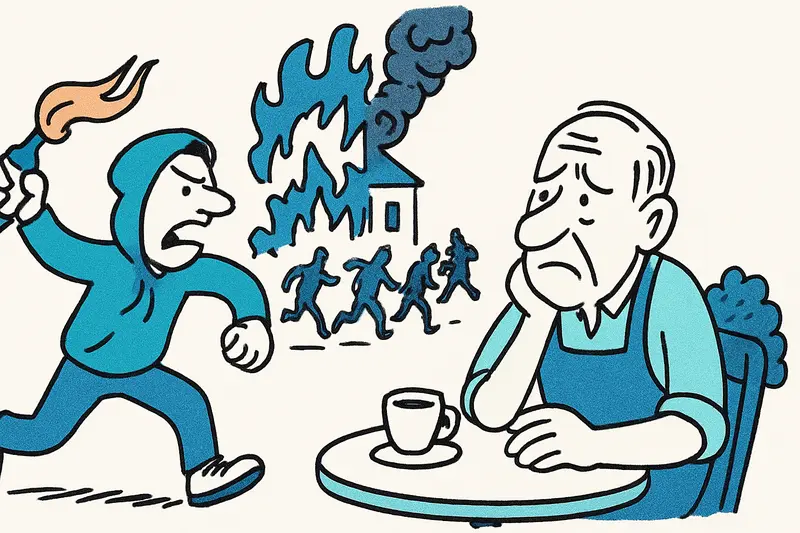
Why the unrest in Barcelona should be a wake-up call for Mallorca
A TikTok call led to nighttime violence and hundreds of arrests in Barcelona, many of them minors. What is behind the ph...
Palma under the microscope: 87 arrests over forged passports – what now?
The National Police stopped 87 people at Palma airport this year with allegedly forged documents. Why are controls alone...
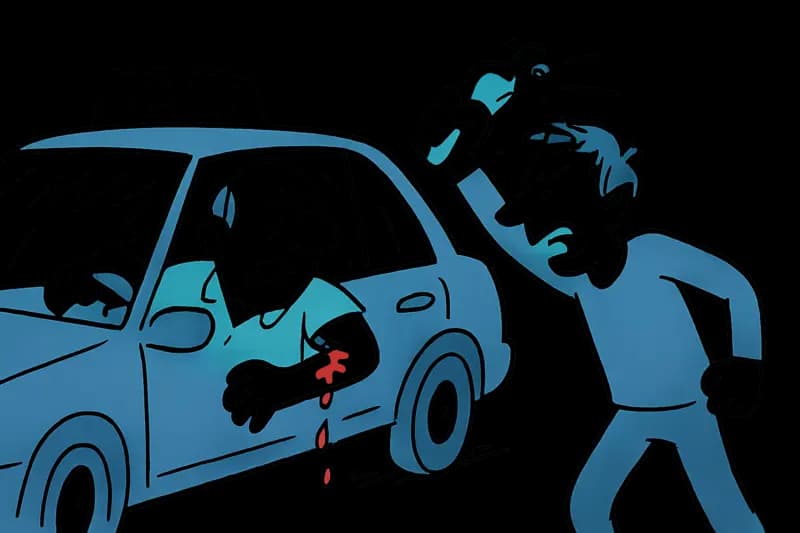
When a Taxi Fare Dispute in Magaluf Turned Bloody: How Safe Are Passengers and Drivers?
In Magaluf a dispute over the fare escalated: a tourist, now 18, is accused of having seriously injured a taxi driver in...
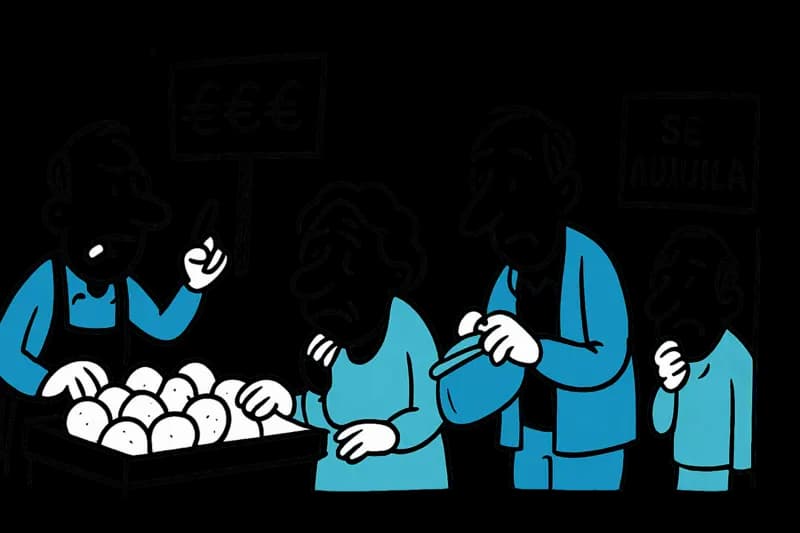
Why Mallorca Has Become So Terribly Expensive — A Reality Check
Rents are exploding, staple food prices are rising, wages are lagging behind. A look at the causes, what is missing from...
When Paradise Becomes Unaffordable
Hotel rooms, paella and the weekly grocery shop: Mallorca is becoming more expensive for many. Who pays the bill — guest...
More to explore
Discover more interesting content

Can Cap de Bou

Townhouse Lleo 72
