
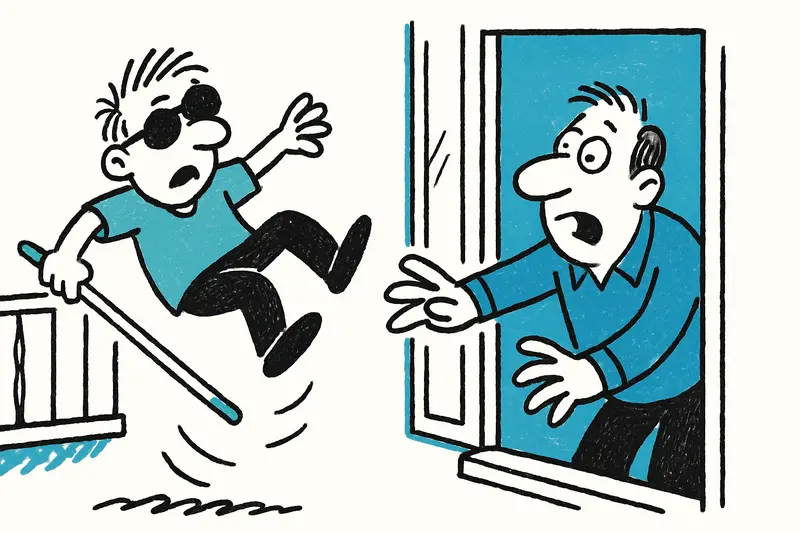
How does a blind 14‑year‑old fall from the fourth floor? A reality check from Calvià
How does a blind 14‑year‑old fall from the fourth floor? A reality check from Calvià
In Calvià a 14‑year‑old blind boy fell from the fourth floor of a hotel and survived with serious injuries. Why such accidents can happen and what needs to change in Mallorca.
How does a blind 14‑year‑old fall from the fourth floor? A reality check from Calvià
The evening was still warm, the sun low over the Avenida de Son Caliu, when at around 7 p.m. the emergency call came in: a 14‑year‑old blind boy had fallen from the fourth floor of a hotel. He landed on a lawn and survived the fall — but he was so severely injured that after roughly 30 minutes of stabilization paramedics transported him in very serious condition to the Son Espases University Hospital. Present at the scene were the Calvià local police, the Guardia Civil, paramedics from SAMU 061 in Palmanova and a logistics vehicle from Palma; the parents were in shock.
Key question
How can it happen that a blind minor falls from a hotel floor, and what responsibility do hotels, escorts and authorities on Mallorca bear?
Critical analysis
At first glance the scene sounds like a terrible accident: an evening hour, a hotel room, a window or balcony — and a plunge into the depths. But behind this fate lie several questions that are often overlooked. This pattern echoes other local cases such as Fall in Palma: An elderly man, a balcony and many unanswered questions and Serious Fall in Santa Ponça: How Safe Are Our Stairwells?. Was the child alone in the room? Was there an accompanying person who was distracted at the decisive moment? Were balcony or window barriers child‑proof and properly installed? Spanish building and hotel regulations cover many details, but concrete requirements for safely accommodating guests with disabilities are often missing in everyday paperwork. Hotel staff are not universally trained in how to care for blind guests — and even less so for minors.
What is missing from the public debate
Reports focus on the facts: fall, rescue, hospital. Rarely is there discussion about how restaurants and hotels can make their spaces both accessible and safe for children. There is also little debate about mandatory awareness and emergency training for staff or about control mechanisms by the municipality and inspections. The question of whether travel insurers and intermediaries (family trips, group bookings) adequately inform about risks and supervision duties hardly comes up either.
Everyday scene from Mallorca
Anyone walking along the Avenida de Son Caliu knows the mix of hotel activity, rental apartments and small shops. In the evening you hear the avenue’s hum, the clatter of suitcase wheels and sometimes the laughter of guests returning from the beach. In this everyday setting dangers can be easily overlooked: an open balcony door, an unsecured access or a momentary lapse in supervision is enough — and a child’s life can hang by a thread; viral cases such as the Rapid Stair Ride at Bellver Castle: When Clicks Are More Dangerous Than Stone highlight how dangerous lapses can be.
Concrete solutions
1) Hotels must create risk profiles for guests with special needs. For underage guests with visual impairments, a requirement for personal accompaniment or secured window and balcony devices would be sensible. 2) Uniform minimum standards for balcony guards and window locks: tested, child‑and disability‑safe fastenings that are not easy to bypass. 3) Mandatory training for hotel staff in first aid, handling people with disabilities and preventing fall accidents. 4) Municipal inspections: the municipality of Calvià should work with the tourism office to offer random safety checks and follow up on deficiencies. 5) Information for families and intermediaries: tour operators and booking platforms should provide guidance on choosing safe accommodation and on parents’ supervision responsibilities.
Concise conclusion
This incident is more than just an item in the evening news feed. It reveals where the island still needs to improve in hospitality: not only with a friendly welcome and cleanliness, but with clear safety standards for the most vulnerable among us. This is not about preemptively assigning blame — the Guardia Civil is investigating — but about turning a dreadful incident into concrete protective measures so that the Avenida de Son Caliu remains a place of support rather than the starting point for new tragedies.
Frequently asked questions
What safety checks should Mallorca hotels have for guests with disabilities?
Can a blind child stay safely in a Mallorca hotel without constant supervision?
What should families check before booking accessible accommodation in Mallorca?
Are hotel balconies in Mallorca required to be child-safe?
What happens after a serious hotel accident in Mallorca?
How does emergency response work in Calvià after a hotel accident?
What should hotels in Mallorca do to prevent balcony and window accidents?
Why are accessibility and supervision so important in Mallorca family hotels?
Similar News
Four goals, heart-stopping moments, a message: Germania Mallorca takes three points in Consell — questions remain
The new German club on the island won its first away game in Consell 4:3. Celebration, a 4:0 lead, then a nervous finish...
Mueller continues expanding in Mallorca: Artà in 2026, Can Picafort in early summer 2027
The drugstore chain Mueller is opening two new stores in Mallorca: a 1,400 m² shop in Artà on 5 November 2026 and a bran...
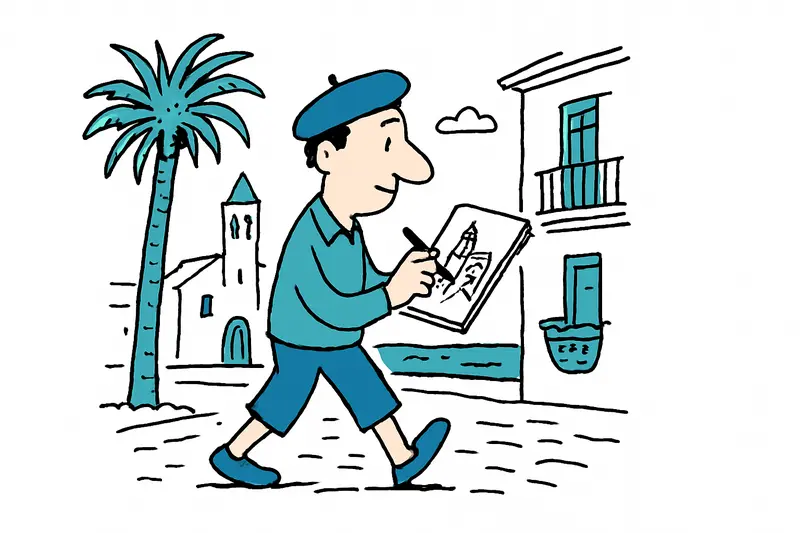
The Painter Who Lived Mallorca: Franz Taussig and His Century-Old Secret
A hundred years ago a young Viennese arrived in El Terreno, sketched the island and called himself Francis Caron. Today ...
Airport dispute: Bridge, forecasts and the question of responsibility
A video by the Spanish transport minister has ignited the dispute over DORA figures, capacities and local governance pow...
The Painter Who Invented Himself: How a Young Viennese Drew Mallorca
A hundred years ago a 19-year-old draftsman arrived in El Terreno. His diary and sheets, long known under the pseudonym ...
More to explore
Discover more interesting content

Can Cap de Bou

Townhouse Lleo 72
