
Rapid Stair Ride at Bellver Castle: When Clicks Are More Dangerous Than Stone
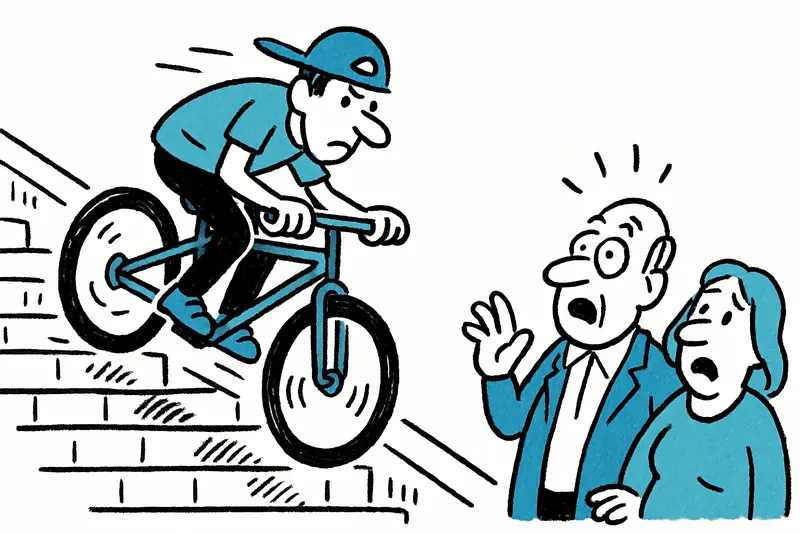
An 18-year-old from Llucmajor rode down the wide staircase at Bellver Castle — the video went viral and police are investigating for endangerment. A case that raises more questions than just those about punishment.
Rapid descent at Bellver Castle: clicks versus safety
In the late afternoon, when the sun sits lower and the stone of Bellver Castle glows in warm tones, the square is especially busy: strollers, families, bike rental operators and tour groups with cameras. (More on Bellver Castle on Wikipedia.) It was in this atmosphere that a short video was filmed and spread through social networks — and now has tangible consequences. An 18-year-old cyclist from Llucmajor rode down the castle's wide staircase. Several pedestrians were put at risk, the footage was the talk of Palma within hours and the police intervened. See related local incident: Pickpocketing at Bellver: Chase Ends at Traffic Light – How Safe Is Palma Really?.
How the trail led to the front door
The investigation progressed quickly: through publicly accessible profiles, officers were able to identify the author of the clip. Apparently the stunt was filmed in dry weather and good visibility — ideal conditions for spectators, poor for a risky maneuver on historic steps. The charges are gross negligence and endangering pedestrians. Two serious accusations that show even an apparently harmless phone video can have criminal consequences.
What reporting often overlooks
The swift outrage in the comment sections is understandable, but the case raises deeper questions: why do young people risk such actions at public monuments? On the one hand visibility plays a role — digital applause in the form of likes and shares. For context on similar risky dares reported on the island, see When Dares Turn Deadly: Examining Cliff Jumps on Mallorca's East Coast. On the other hand, experience is often lacking to distinguish between a thrill and real danger. In Palma you can hear the stone click under shoe soles, the murmur of tourists — and sometimes only afterwards the crackle of accident statistics.
Another, little-noticed aspect is the protection of the historic ensemble itself. Repeated stress from sports equipment or falls on the sandstone can damage the monument in the long term. This is not an abstract argument: conservation work costs money and disrupts visitor flow, which in turn affects the local economy. Similar stairwell incidents have raised safety concerns elsewhere: Serious Fall in Santa Ponça: How Safe Are Our Stairwells?.
Concrete opportunities instead of just punishments
Authorities have already increased controls around the castle and publicly warned against copycats. That is necessary, but not sufficient. Prosecution must remain one component — at the same time preventive offers are needed. Possible measures:
- Clear signage and temporary barriers at particularly vulnerable spots, combined with pictograms that reach non-Spanish-speaking visitors.
- Partnerships with youth centers and sports clubs: Channel young people’s energy into safe, supervised spaces — for example skate or BMX parks that are visible and attractive.
- Educational campaigns in schools: Short workshops about law, responsibility and the consequences of viral actions for people and cultural heritage.
- Community monitoring: Volunteer guides or local initiatives that show a presence on weekends and intervene gently before the police have to respond.
Balance between control and freedom
A balance must be found: Palma benefits from youthful creativity — street art, urban sports and new formats enliven the city. But public spaces, especially historic sites like the castle, need rules. The question is not only whether the young man will be punished, but how the city can learn in the long term to prevent such situations without excluding every spontaneous form of life.
A resident put it bluntly: "A few seconds of adrenaline — and in the end maybe a broken leg or a damaged section of stairs." The warning is clear. The challenge for Palma: to establish protective measures that are not only bans but offer alternatives.
If you walk by Bellver Castle soon: keep your eyes open, put your phone away, and leave the steps to pedestrians. It’s not just about punishment — it’s about safety and preserving a place where people’s steps matter more than their clicks.
Frequently asked questions
Is it dangerous to walk the stairs at Bellver Castle in Palma?
Can you be fined or charged for dangerous stunts in public places in Mallorca?
Why are historic sites like Bellver Castle protected so carefully?
What is the best time to visit Bellver Castle in Palma?
What should I wear or bring when visiting Bellver Castle?
Why do people post risky videos from places like Bellver Castle in Mallorca?
Are there safer alternatives to risky urban sports in Palma?
What is Palma doing to prevent dangerous behaviour at Bellver Castle?
Similar News

Maribel: Five Decades of Service – Housekeeper from Peguera Celebrated with a Special Honor
Over 50 years in the hotel business: María Isabel “Maribel” Molinos was honored in Palma at the Nit del Turisme by Unive...
Orange Alert over Parts of Mallorca: Are We Prepared?
Dark clouds and an announced wet spell have triggered an Orange alert in parts of Mallorca. A reality check: what's miss...

Sundair & Co.: Sale speculation and what it could mean for Mallorca
Rumors about a possible sale of the airlines Sundair and Fly Air 41, which belong to Schauinsland-Reisen — and whether b...
Anne Wünsche in Mallorca: A job offer with a catch — who fits the role of personal assistant?
Influencer Anne Wünsche has left Berlin and is urgently looking for a full-time personal assistant in Mallorca. Why the ...
Daily from New York: Palma Between Boom and Strain
United will increase the Newark–Palma route to daily flights in 2027 using Boeing aircraft (231 seats). What does the in...
More to explore
Discover more interesting content

Can Cap de Bou

Townhouse Lleo 72
