
Cala en Brut: Body in the Sea — a Fatal Autumn Day and What’s Missing
Cala en Brut: Body in the Sea — a Fatal Autumn Day and What’s Missing
In Cala en Brut (Ciutadella) a man's body was recovered during storm Dana "Adam". Why do autumn storms in the Balearics continue to cause deaths — and what needs to change?
Cala en Brut: Body in the Sea — a Fatal Autumn Day and What’s Missing
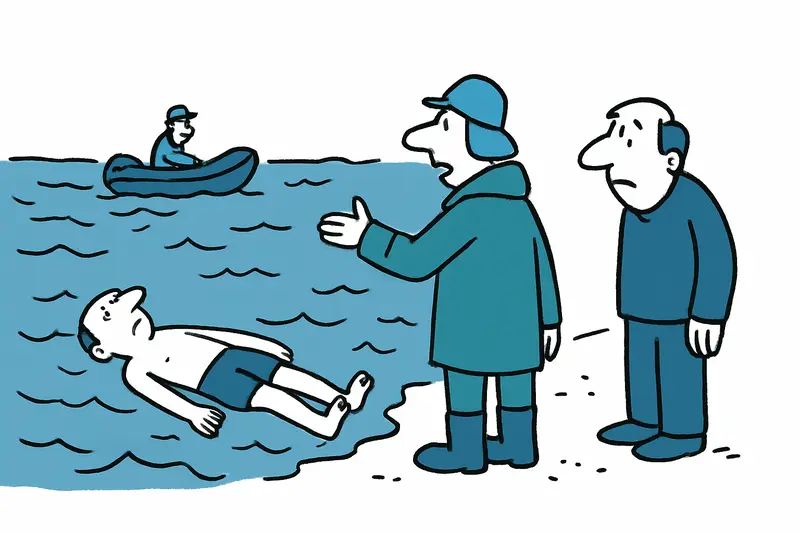
Late Monday afternoon, emergency teams in Cala en Brut near Ciutadella discovered a man wearing only swim trunks floating in the water and recovered him. Rescue services reported the operation around 18:00; the fire brigade used an inflatable boat and brought the body to the old harbour of Ciutadella. Related reporting is available in Two bodies on the coast: Investigations in Ciutadella and off Alcúdia. The man is estimated to be about 60 to 70 years old; the recovery took place roughly 20 to 30 meters off the coast. The island was at the same time under yellow and orange severe weather warnings from the emergency number 112 — part of the storm system that caused several fatalities nationwide.
Key question
Why do autumn walks and beach visits in our coves still end in death, even though warnings and forecasts exist?
Critical analysis
First: warnings are not equivalent to protection. The 112 system provided information, but merely announcing a warning level does not automatically reach the people on coastal paths and in the coves. Second: personnel and equipment are organised seasonally. In many places in the Balearics the presence of patrol boats, lifeguards and harbour vessels is reduced outside the summer season — precisely at the times when stormy autumn days occur more often, as described in Autumn storm in Mallorca: Three-meter waves and what we should learn from it. Third: local knowledge and risk perception vary widely. A local resident, a tourist, a walker — they all react differently to grey waves and warning sirens. And fourth: communication between police departments, the Guardia Civil, the fire brigade and locations such as the old harbour must work in real time; every delay costs time that is decisive in a sea emergency.
What is missing from public discourse
Often missing here is the everyday perspective: no figures on how many unguarded coves exist outside the season, no map of recently closed beaches, no clear statement on who patrols in bad conditions. There is also a lack of honest discussion about the consequences of milder winters and stronger autumn storms for local readiness. Media reports mention fatalities — but rarely the question of whether beaches were proactively closed or whether warning signs were even readable when the rain lashes sideways across the road.
Scenes from everyday life
Anyone walking along the Passeig Mallorca in Palma that Tuesday morning heard the rhythmic slap of raindrops on the flagstones, the distant sound of a siren and the crunch of puddles under the tyres of a delivery van. In Ciutadella fishermen in oily jackets were seen whispering about the weather at the old harbour as they cast off their nets. Such images linger: not a dramatic film set, but the quiet gathering of people trying to keep everyday life in order despite the storm.
Concrete solutions
- Visible closures and temporary barriers: at exposed coves, mobile barriers and clearly visible, multilingual signs should be put up when storm warnings are issued. - Seasonal reinforcement of rescue teams: fire brigades, harbour rescue and the Guardia Civil need tiered plans for increased presence in autumn. - Improve local alarm chains: local officials, harbour masters and neighbourhood networks should be informed in real time via automated SMS or app push messages. - Investment in small rescue boats: quickly deployable, seaworthy inflatable boats in several ports reduce response times, a need highlighted by Fatal Rescue Attempt in Son Bauló: What Must Change on Our Beaches. - Public outreach: short, concise notices at car parks, lighthouses and ferry ports about the risks during storms; information campaigns that also reach older island residents.
Why this matters
Nature shows clear limits on some days. But often it is organisational gaps that turn a risky undertaking into a fatal situation. When a man in swim trunks is recovered 20 meters off the coast, questions arise that go beyond individual fate: were access points closed, were there information notes at the parking lot, how quickly was the rescue boat ready?
Punchy conclusion
A storm knows no season. We must learn that warning levels are not just numbers, but calls to act: visible barriers, reliable staffing plans and local communication that gets through in rain and wind. Otherwise, in the end there will not only be mourning for a deceased person but the bitter feeling that much could have been prevented.
Frequently asked questions
What is the best time to visit Mallorca for warm weather?
Is Mallorca good for swimming year-round?
What should I pack for a Mallorca trip?
What outdoor activities are good in Mallorca?
Which beaches are family-friendly in Mallorca?
What should I know about sea safety on Mallorca’s beaches?
Is it easy to travel around Mallorca without a car?
How do crowds vary in Mallorca across the year?
Similar News
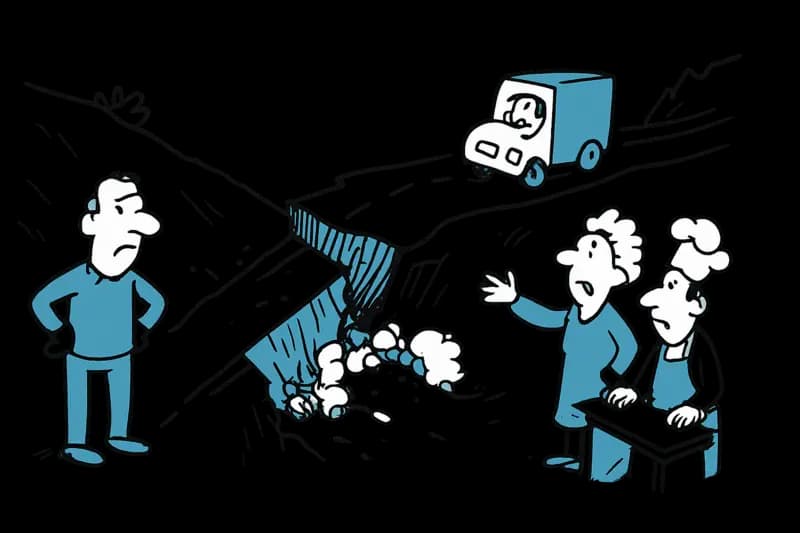
When the road is gone: Port de Valldemossa cut off after storm 'Adam'
After heavy rains a retaining wall gave way and two sections of mountain road MA-1131 became impassable. Why are rural p...

Crypto Promises, Ferry, Arrest: How Investors in Mallorca and the Neighboring Islands Fall into the Trap
A Swiss man wanted under a German arrest warrant was captured in Ciutadella. The case raises questions about cross-borde...
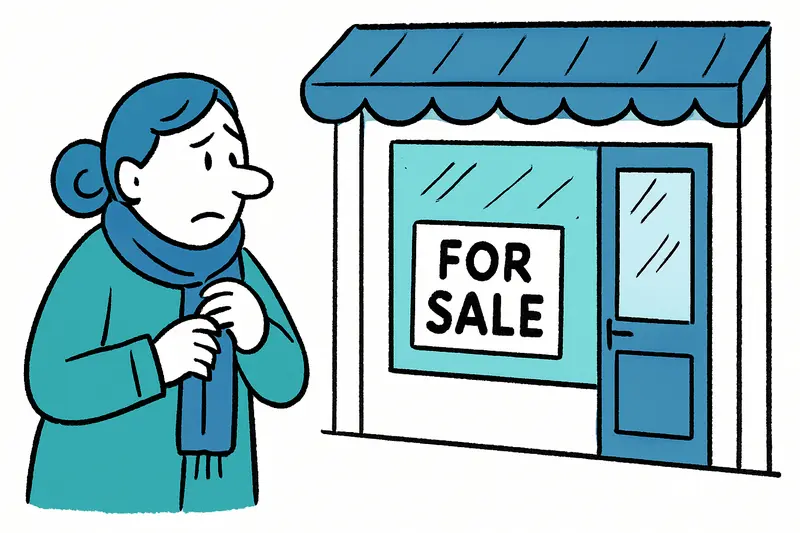
Santa Catalina loses a piece of everyday life: Why Xoriguer must now close — and what it means for Palma
The Xoriguer on Calle Fábrica, a venue with Basque roots and almost half a century of tables and stories, stands empty b...
Body in Cala en Brut: What the disaster with Storm "Dana/Adam" teaches us about emergency preparedness
A man was recovered from Menorca's coast after the storm. The details raise questions about warning systems, beach patro...
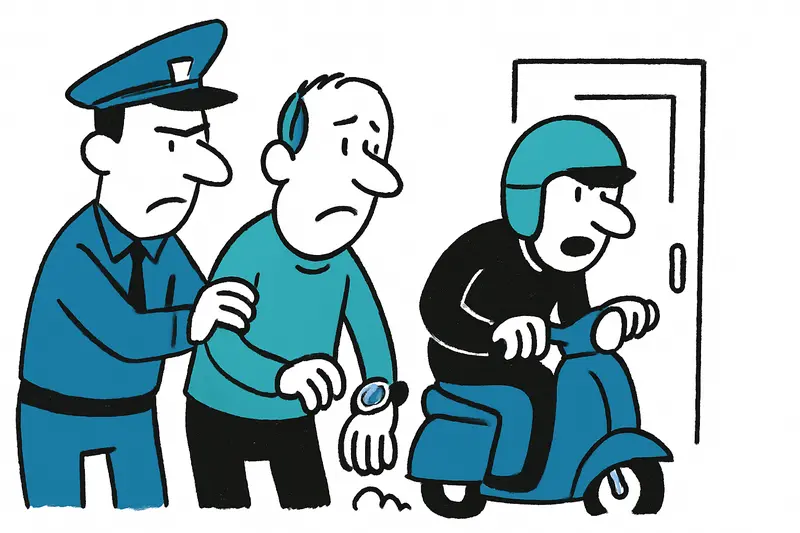
More than €450,000 watch seized: What remains from the raid against gangs?
The National Police report 34 arrests and the seizure of a watch worth more than €450,000. A reality check: what do the ...
More to explore
Discover more interesting content

Can Cap de Bou

Townhouse Lleo 72
