
Can Bordils in Palma: Restoration completed – a piece of urban history re-emerges
Can Bordils in Palma: Restoration completed – a piece of urban history re-emerges
The restoration of the historic Can Bordils building in Palma is finished. A newly revealed medieval door and measures against dampness will better protect six kilometres of archival material.
Can Bordils in Palma: Restoration completed – a piece of urban history re-emerges
€120,000, a revealed door and many metres of paper that are now better protected
Work on the Can Bordils building in Palma has been completed. If you walked the old city edge or the narrow streets around Plaça Cort in recent weeks, you would have heard the craftsmen: hammering on scaffolding, the quiet whir of dryers, the smell of cement and fresh wood. The city invested around €120,000 in the repairs so that the building, which today houses the city archive, will suffer less from damp and deteriorating structures in the future.
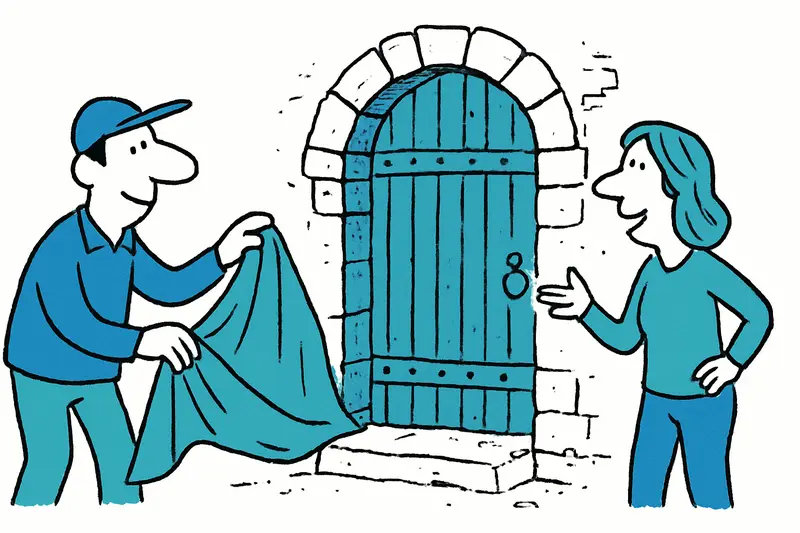
In the courtyard, removing modern layers of plaster revealed a surprise: a medieval door with a decoratively profiled arch that had previously been hidden. Such finds are small windows into the past. You immediately imagine merchants, craftsmen and sometimes soldiers passing by here when Palma moved to a very different rhythm than it does today.
Key works focused on protection: moisture damage was remedied, the roof was sealed and load-bearing parts of the building were stabilised. For archives this is more than just bricks and plaster: if walls breathe and residual moisture remains, sensitive papers are threatened. Around six kilometres of documents are stored in Can Bordils. These are minutes, maps, letters, registries – the kind of material researchers, families and schools consult when they want to leaf through Mallorca's past.
The house itself dates from the 15th century, but its fabric is older. A section of the wall still belongs to the Roman city fortifications (see Collapse at Palma's City Wall: What Needs to Happen Now). This makes the site a layered cake of history: Roman foundations, medieval arcades, more recent additions. In Palma this is everyday life: looking down a lane you can often see three epochs at once.
The restoration is not a flashy large-scale project. It consists of pragmatic steps: sealing, stabilising, uncovering. Precisely these measures create security for the holdings. Anyone who has stood in an archive knows the particular silence – the quiet breath of the pages, the dust, the lamp light. A secure, dry storage is the basic requirement for manuscripts and plans to remain available for research and cultural preservation for decades to come. By contrast, controversial demolitions elsewhere highlight debates over preservation, such as Demolition in Palma: When Reconstruction Replaces the Original.
For the neighbourhood, the completed work also means a small sigh of relief. Instead of constant dripping from the ceiling and building smells there is now space again for everyday life: a baker kneading dough in the morning, pedestrians with their shopping bags, children on their way to school. The rediscovered gate in the courtyard could in future also become a small cultural showcase – a place where historic tours start or stops for school outings are set up (for a recent example of a reopened cultural space, see Under the Seu: Palma's Maritime Museum Reopens After Renovation).
What could follow now is clear: targeted conservation of the uncovered structures, perhaps discreet signage, and consideration of how the archive rooms can be climate-controlled and digitised in the long term. Digitisation takes time and money, but it makes holdings accessible without stressing the originals. And: if you make a historic door visible, it is worth explaining the history behind it in a visible way.
In the end, this completed project is also a small signal: urban history needs care. It is not always the big glass buildings that determine how lively a city is, but the small measures that let old walls breathe, protect archives and keep the sound of neighbourhoods. When the sun stands over the Carrer de la Lonja at midday, Can Bordils looks a bit quieter, but also more welcoming. A piece of Mallorca that can pass on its story.
Outlook: Those interested in Palma's building history can ask in future whether tours of the courtyard are possible. Schools and research institutions will benefit if conservation measures and digitisation plans are implemented step by step. For the city it is an investment in the cultural treasure – simple, down-to-earth and useful.
Frequently asked questions
What was restored at Can Bordils in Palma?
Why is Can Bordils in Palma important for Mallorca's history?
What kind of documents are kept in the Palma city archive at Can Bordils?
Is Can Bordils in Palma open to visitors?
What was found during the restoration of Can Bordils in Palma?
What does the restoration of Can Bordils mean for Palma's old town?
How much did the Can Bordils restoration in Palma cost?
Why is climate control and digitisation important for archives in Mallorca?
Similar News
Injured captain, big plans: Germania Mallorca before the away match in Consell
The newly founded FC Germania Mallorca travels to Consell on Saturday. Captain Bastian Müller is out injured, but coach ...
Palma, Palma de Mallorca, Palma‑Mallorca: What is it really about?
The debate over the city's name is more than grammar: it concerns identity, law and branding policy. A sober reality che...
Warning to Bathers: Nipping Fish in Cala Major and Other Coves — a Reality Check
In Cala Major and several beaches around Mallorca, bathers report painful “nips”. Who are the animals, why are they gett...

Rental Car Theft in El Arenal: What This Incident Reveals About Our Gaps
A teenager steals a running rental car in El Arenal, flees on foot, climbs over walls and is caught by the Guardia Civil...
Red Rope in Palma's Library: What Helps Against Selfie Tourism — and What's Missing
Palma's city library cordoned off an area with a red rope to keep selfie tourism away from reading and working activitie...
More to explore
Discover more interesting content

Can Cap de Bou

Townhouse Lleo 72
