
Carbon Monoxide Alert in La Vileta: 13 People Rescued — What Now?
Carbon Monoxide Alert in La Vileta: 13 People Rescued — What Now?
In La Vileta, 13 people were rescued after a carbon monoxide leak. Key question: How can Palma prevent further cases caused by faulty heating equipment and missing detectors?
Carbon Monoxide Alert in La Vileta: 13 People Rescued — What Now?
Key question: How can we better protect tenants and neighbours from this invisible gas?
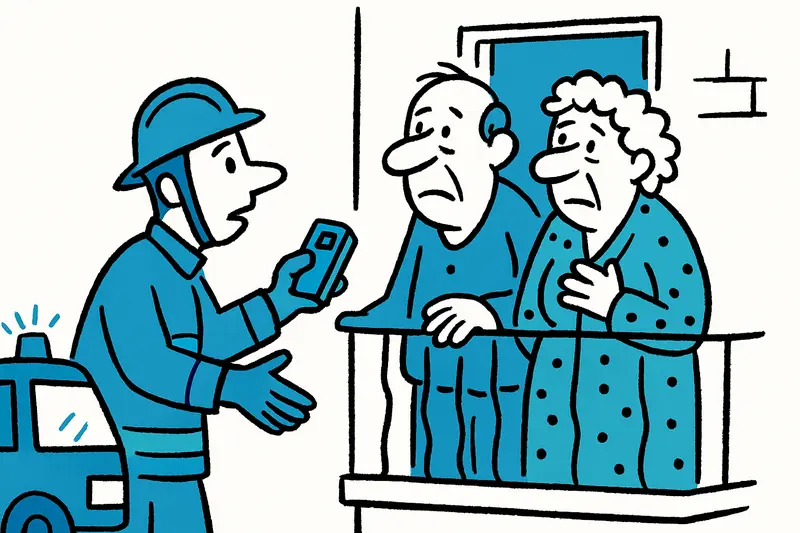
Early in the morning on Pisa Street in La Vileta, sirens sounded over the rooftops, residents in their pajamas stood on balconies waiting for news. Firefighters opened an apartment where several people and a dog were found unconscious. In total, 13 residents of the building required treatment; four of them and the animal were taken to hospital in serious condition, while nine others showed milder symptoms of poisoning. Emergency services trace the incident to a leak in a boiler that had been installed on a covered terrace without adequate ventilation openings.
The scene is unsettling because carbon monoxide is invisible and often noticed only when it is already too late: headaches, drowsiness, confusion — symptoms that are easily misinterpreted, especially when an early-morning caller is intoxicated and barely understandable. In the La Vileta case the emergency number 112 was alerted; ambulances and firefighters responded and police secured the scene. Dead birds were even found in the vicinity — an indicator of high concentrations of the gas. Recent rescue operations are detailed in Heatstroke in the Torrent de Pareis: Rescue Raises Questions About the Safety of Hiking Groups and Nights of Landing: 60 People off Formentera — Between Rescue and Overload.
Critical analysis: this event exposes several weak points. First: the installation and placement of gas appliances. A boiler on a covered terrace without ventilation openings is an obvious risk. Second: responsibilities. In rental apartments there is often uncertainty: who ensures professional installation and regular maintenance — the landlord, the tenant or the property management? Third: safety equipment is too often missing. Smoke alarms have become standard in many Spanish homes; CO detectors are not — even though they can save lives in cases like this. Fourth: information gaps. Many people do not recognize the signs of CO poisoning, and language or alcohol issues can hinder the emergency call.
What is missing from the public debate: The discussion often stops at individual reports and remains vague when it comes to concrete duties. There is a lack of clear information on which construction standards apply to covered terraces, how often gas appliances must be checked and what penalties apply for incorrect installations. There is also insufficient emphasis on simple protective measures: regular inspections, CO detectors with battery backup, well-ventilated heating areas and a clear procedure for landlords and tenants in the event of heating failures.
Everyday scenes from Mallorca: later that morning, a few blocks away at the café on Plaça de la Porta Pintada, the discussion was still audible. An older couple said their landlord never checked the gas boiler; the young barista nodded and recalled the summer heat when windows often stay closed and dangerous gas concentrations can build up. The neighbour in La Vileta who has been feeding cats for years reported that birds in the area are noticeably rare — small signs we have overlooked for too long. Similar concerns about animal safety have surfaced in other local incidents such as Pets Die in House Fire in Llucmajor — How Safe Are We Really?.
Concrete solutions:
For tenants: Acquire CO detectors immediately (place at the head of bedrooms and near gas appliances). If symptoms such as sudden drowsiness or nausea occur, go outside immediately and call 112. Request written proof from landlords that the heating system has been inspected and keep records.
For landlords and installers: Install boilers professionally; in particular for terraces ensure adequate ventilation openings. Conclude regular maintenance contracts and provide inspection certificates. When renting to tourists or seasonal users, briefly inform them on each stay where CO detectors are located and how to react in case of an alarm.
For politicians and authorities: The city of Palma should carry out targeted inspections in older residential areas, consider subsidy programs for CO detectors and introduce mandatory checklists for gas installations. Multilingual information campaigns can help overcome language barriers. Cooperation with property managers and landlords' associations would also be useful.
Practical immediate tips for everyone: open windows, ventilate rooms, turn off the gas supply (if safely possible), call 112, warn neighbours. A simple portable CO detector is relatively inexpensive and in an emergency can mean the difference between life and death.
Conclusion: The incident in La Vileta was a warning sign, not an isolated case. Carbon monoxide knows no social boundaries — it affects rental flats, families and pets. We need clearer responsibilities, more preventive technology and broader local information. And practically: more detectors, more inspections, fewer excuses. In Palma, where summer evenings bring people out to chat on balconies, we must not wait for the next siren; see also Fatal Rescue Attempt in Son Bauló: What Must Change on Our Beaches.
Frequently asked questions
What are the warning signs of carbon monoxide poisoning in Mallorca homes?
What should I do if I suspect a carbon monoxide leak in Mallorca?
Do Mallorca apartments need carbon monoxide detectors?
Who is responsible for gas boiler maintenance in a Mallorca rental?
Are covered terraces in Mallorca safe for gas boilers?
Why can carbon monoxide be harder to spot in Mallorca during summer?
What safety checks should landlords carry out on Mallorca gas installations?
How can tenants in Mallorca protect themselves from carbon monoxide poisoning?
Similar News
Magaluf: Watchtower Alarm – Lifeguards Pull Unconscious Beachgoer from the Water
After a drama in the late afternoon, two lifeguards at Magaluf beach rescued an unconscious 44-year-old man. He was stab...
Turquoise in the City: How dangerous is the color play of the Sa Riera?
The Sa Riera in Palma suddenly turned turquoise — a pretty motif, but behind the effect lies a discharge of saline waste...

Jeckliner at Sunnesching: Cologne spirit sets sail from Palma
In September 2027 the Mein Schiff 2 briefly becomes a floating carnival stage: four days with Cologne bands, comedy and ...
Finally Home: Mike and Leyla Heiter Buy Villa with Sea View in Mallorca
The reality TV couple Mike and Leyla Heiter have bought a house in Mallorca with a roof terrace and sea view. An Instagr...
Arrest after series in Palma: Who protects apartments from repeat offenders?
The National Police arrested a man in Palma who investigators say may have broken into several apartments. In one incide...
More to explore
Discover more interesting content

Can Cap de Bou

Townhouse Lleo 72
