
Dawn at the City Beach: First Caretta Hatchlings Have Hatched in Palma
On 7 September the first Caretta caretta turtles hatched at Palma's city beach. Volunteers and researchers are now bringing the 62 juveniles to safety.
Dawn at the city beach: the first turtles have arrived
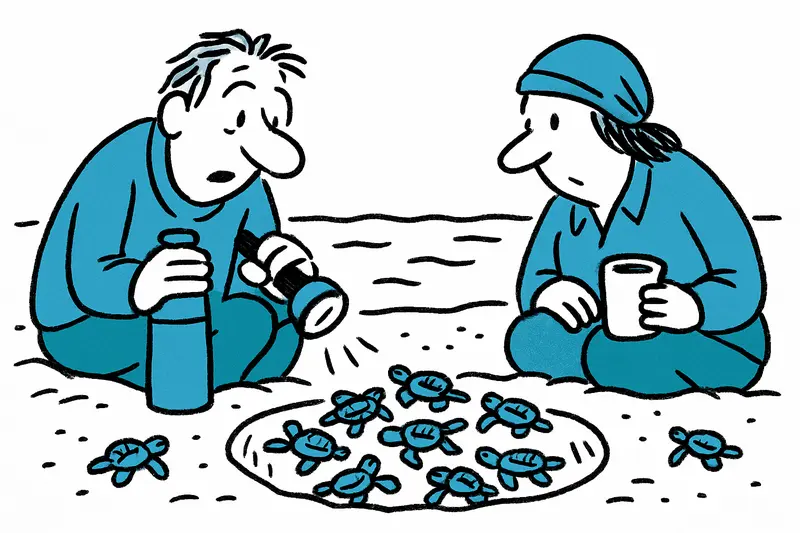
Early in the morning, when the promenade still smelled of damp brick and espresso, people with thermoses and flashlights sat on the sand of Palma's city beach. Not a typical start to sunbathing – but shift work for the sea creatures. In the early hours of 7 September the first sea turtles of the species Caretta caretta hatched. So far 62 Turtle Hatchlings in Palma – Night Watches, Protection and Uncomfortable Questions have been counted.
Vigilance pays off
Since mid-July volunteers have been taking turns at the nest: with shovels, notebooks and the kind of patience island life often requires. "At night it was sometimes chilly; at 3:30 a.m. there was coffee from thermoses and biscuits," says a helper who wishes to remain anonymous. Without this effort the chances that the animals would reach the sea undisturbed would have been significantly lower.
The hatchlings were carefully recovered and placed in transport boxes with moist sand and taken to the marine research institute in Port d'Andratx. There a team of biologists and caregivers examines the little ones, feeds and strengthens them. The aim is to nurse the animals until they can be released back into the Mediterranean in about a year — with better chances of survival than immediately after hatching.
Why this care is important
Many know the images: tiny shells at dawn, seagulls circling impatiently, children with wide eyes. But the journey from nest to open water is no walk in the park. Beach lighting misleads the animals away from the sea, unleashed dogs, rats or gulls eat many juveniles, and temperature stress affects sex determination and development. At the conservation station they make sure the hatchlings can grow into a more critical phase in good health.
Those who passed the city beach in recent days saw a small scene typical of Mallorca's everyday conservation: barrier tape fluttered lightly in the wind, two old men drank their espresso and talked quietly, and measuring devices beeped at regular intervals. It is not a show but a series of small tasks — and that is where the hope lies.
What the coming weeks will bring
The volunteers and the staff of the research station are now watching patiently: there may be more hatchings, or the last wave may already have passed. For beachgoers the rules remain: keep your distance, dim or switch off flashlights, and keep dogs on a leash. Every bit of calm helps guide the last little ones safely to the sea.
Overall, the success of the past nights shows two things: on the one hand how much commitment small groups of people can achieve; on the other how vulnerable these animals are. Care until release in about a year improves their chances, but long-term protection also means addressing the causes — less light pollution on beaches, clear regulations on dog-free areas, and consistent enforcement of protection periods, as discussed in Awakened at Cala Calderer: Third sea turtle nest sparks hope — and raises questions.
For the volunteers, the current habit of waking up in the middle of the night is not a sacrifice but a kind of island ritual. "You stand on the beach, hear the sea and think: it's worth it," says the helper who wishes to remain anonymous. And while the sun slowly brightens and pigeons glide over the harbor, a quiet joy remains: there they are — the little shells that may one day swim these waves again.
If you want to help: information on protection measures and volunteer work is available on site at the research station in Port d'Andratx. And for everyone walking on the beach now: a small request from the night watchers: lights off, keep your distance, and enjoy the view — but quietly.
Frequently asked questions
When do sea turtles usually hatch in Mallorca?
Why are turtle hatchlings in Mallorca taken to a care centre after hatching?
What should I do if I see turtle hatchlings on a beach in Mallorca?
Can beach lights disturb sea turtles in Mallorca?
What happens at Port d'Andratx when turtle hatchlings are rescued from Palma?
Is it safe to walk dogs on Palma beaches during turtle nesting season?
How long do turtle hatchlings stay in care before release in Mallorca?
How can people help protect sea turtles in Mallorca?
Similar News

Cafetería San Siro: A Meeting Place on Schinken Street Since 1966
In the middle of Schinken Street, Cafetería San Siro has been offering Mallorcan hospitality for more than six decades —...

From Ballermann to Prison: What the Verdict Against the Femina Operator Means for Palma
The Munich Regional Court convicted a German operator for subsidy fraud. What does the verdict mean for the Femina Club,...
Underpass Verge de Lluc: 19-year-old fights her way out of flooded car – a warning sign for Palma
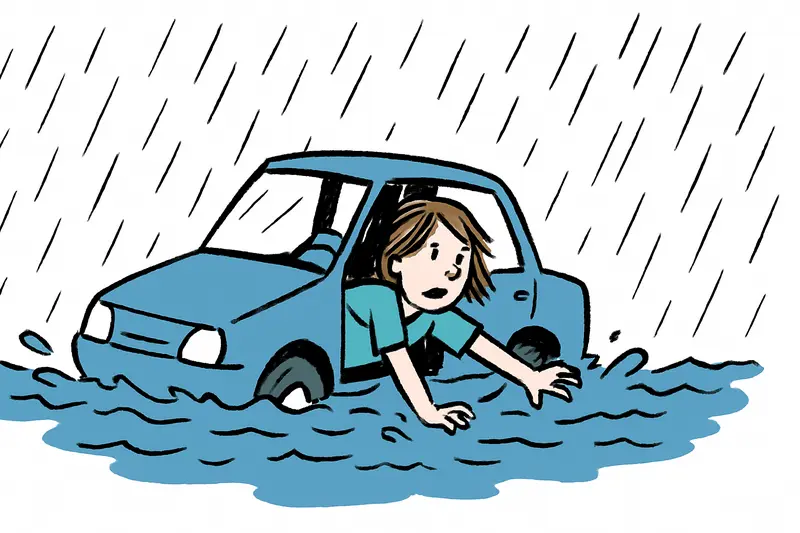
A 19-year-old recently escaped swimming from her car after the Verge de Lluc underpass held up to one and a half meters ...

When the Floodgates Open Again: Why Palma's Floods Aren't a Coincidence
A sudden heavy downpour around 5 p.m. brought Palma to a standstill: flooded streets, full basements, panicked commuters...
Playa de Palma: Life-saving at Balneario 11 – Lifeguards Act Quickly
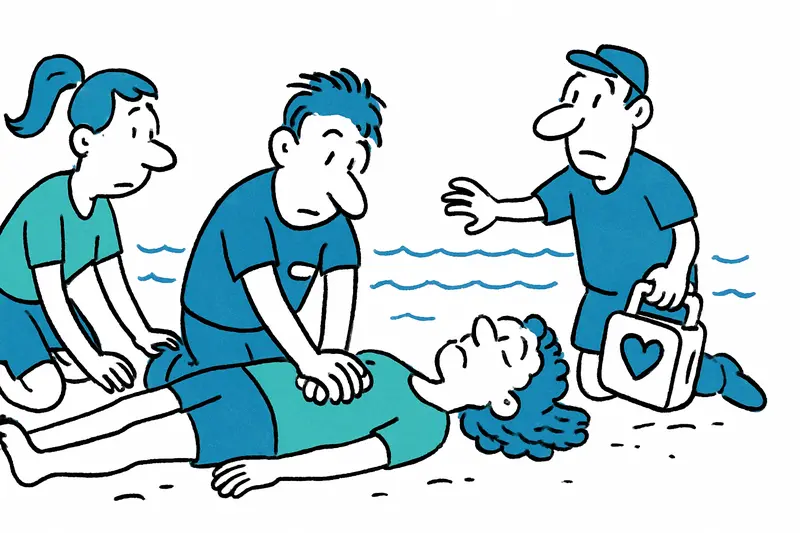
A German holidaymaker suffered cardiac arrest at Playa de Palma. Lifeguards resuscitated her on the beach; emergency ser...
More to explore
Discover more interesting content

Can Cap de Bou

Townhouse Lleo 72
