
Courage at Sea: Two Trainee Police Officers Rescue Tourist in Llucmajor
Courage at Sea: Two Trainee Police Officers Rescue Tourist in Llucmajor
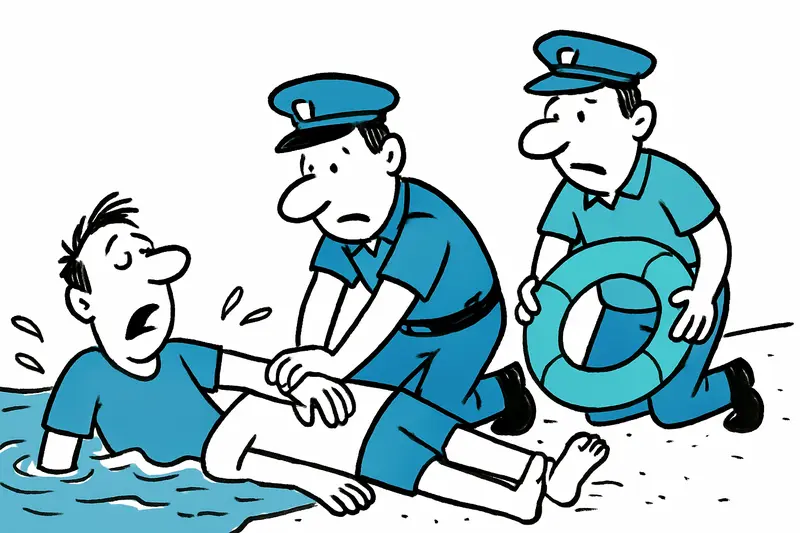
In a cove in Llucmajor, two off-duty trainee police officers pulled a German tourist from the water, performed CPR on the beach, and prevented a worse outcome. Doctors later praised their life-saving efforts.
Courage at Sea: Two Trainee Police Officers Rescue Tourist in Llucmajor
On a mild May afternoon, with the sun already warm over the cove, you could at first only hear the steady crash of waves against the rocks and the distant rattle of a boat engine. Then confusion: shouts, the slap of wet shoes on gravel, voices overlapping. Two young men, both trainees with the national police, were off duty on the beach when they noticed the emergency.
A German tourist had jumped from a rocky ledge into the water and shortly afterwards was floating motionless. The trainee officers did not hesitate. They jumped in, swam through the light surf to the injured man, brought him ashore and began resuscitation measures. Bystanders helped by handing over towels and blankets and by alerting the emergency services.
Rescue teams arrived shortly afterwards and took over the patient for transport to the hospital. According to the treating doctors, the rapid intervention by the two trainees was decisive for the tourist's survival. Without immediate resuscitation, the chances of survival would have looked significantly worse, the medics said.
Scenes like this are not everyday occurrences in Mallorca, but they do happen repeatedly, especially in coves with rocks where jumps and mild currents create a dangerous mix, and related reports such as Brave Police Trainee Stops Fleeing Driver — Neighbors Lend a Hand show trainees in action.
People who swim here are used to conversations about waves, sand and sunscreen. But after this incident many are also now talking about first aid and careful behavior at sea.
The two young police officers remained surprisingly calm after the rescue. While other beachgoers still whispered, they wiped saltwater from their faces and sat on a rock as if the sun itself was patting them on the shoulder. Neither wanted to be thrust into the spotlight afterwards. Their actions were pragmatic: swim in, save someone, step back — that's how simple it was, they later said briefly. They did not want to say more; their colleagues on site praised the action internally and organised further medical care for the rescued tourist.
This rescue made two things clear: first, how important practical first-aid skills are — training can save lives in minutes. Second, that people who live or work on the island sometimes do more than just stand by. On the small car park above the cove, older locals later recalled practicing jumps here as children, and young parents discussed cove outings with their children. The atmosphere was a mixture of relief and newly awakened caution.
For Mallorca this is a good sign. The island depends on the sea, on tourism, and on the interaction between locals, seasonal workers and guests, and other local incidents such as Escape in Mallorca: Breakout from Police Vehicle Raises Questions in Llucmajor and Algaida have highlighted the varied challenges faced by communities and officers alike.
Practical consequences follow quickly: simple notices at beach access points, more visible first-aid kits at popular coves and regular postings about the dangers of cliff jumping would cost little and could help. Those strolling along coves should keep an eye on swimmers, avoid having the sun at their back before jumping in, and when in doubt ask whether the spot is suitable.
In the evening, as the sun sank and the voices by the water grew quieter, locals sat on the benches above the cove, ate grilled sardines from the small kiosk and exchanged notes. The rescue was discussed like a good meal: with appreciation, a touch of admiration and the hope that everyone involved soon returns to their daily lives.
Conclusion: Two young trainee police officers demonstrated how quick, decisive help can mean the difference between life and death. For Mallorca this is not only a heroic story but a practical wake-up call: anyone can learn first aid, and attentive behaviour on the beach is a real benefit for both visitors and residents, a point reinforced by similar emergency responses reported in Port d'Andratx: Tourist Resuscitated by Bystanders and Police After Cardiac Arrest.
Frequently asked questions
Is it safe to jump from rocks into the sea in Mallorca?
What should I do if someone stops moving in the water in Mallorca?
When is the sea warm enough to swim in Mallorca?
What are the main safety tips for swimming in rocky coves in Mallorca?
Should I carry first-aid knowledge when visiting Mallorca beaches?
What makes Llucmajor coves more dangerous than some other Mallorca beaches?
How can beachgoers help during a rescue on a Mallorca cove?
What kind of beach behavior helps prevent accidents in Mallorca?
Similar News

When the Wallet Becomes a Danger: Attack in Peguera and Lessons for Mallorca
In Peguera, two women are said to have stolen the wallet from a 75-year-old German couple. When the victim intervened, t...
Plata stays Plata: Young people take over, Llonguets remain
A small bar on Carrer de l'Argenteria will continue: Tolo Serra hands the place over to young Mallorcans at the end of t...
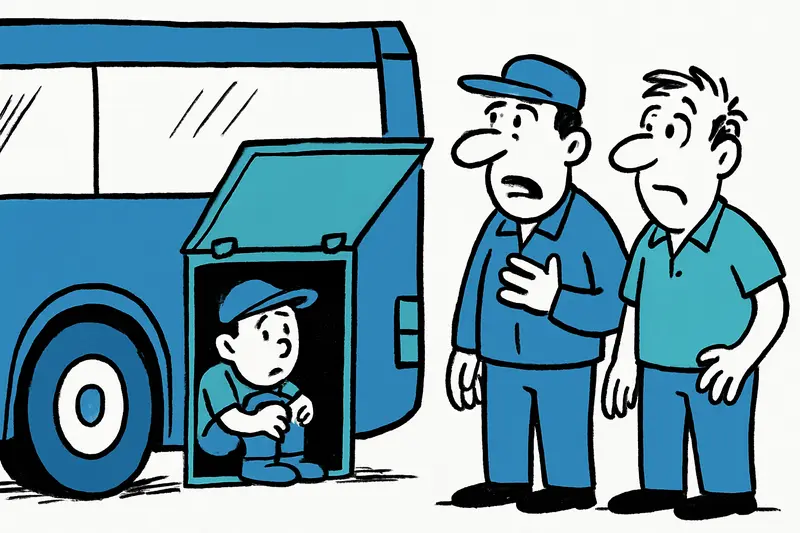
Unnoticed in the Luggage Compartment: How a Boy Traveled More Than 100 Kilometers in a Team Bus
A minor traveled in the undercarriage of a team bus for more than 100 kilometers until his cries for help were heard. A ...

Cap Vermell Grand: Second Michelin Key – a Gift for the East
The Cap Vermell Grand in Capdepera has been awarded its second Michelin key. For the region this elevates the luxury off...
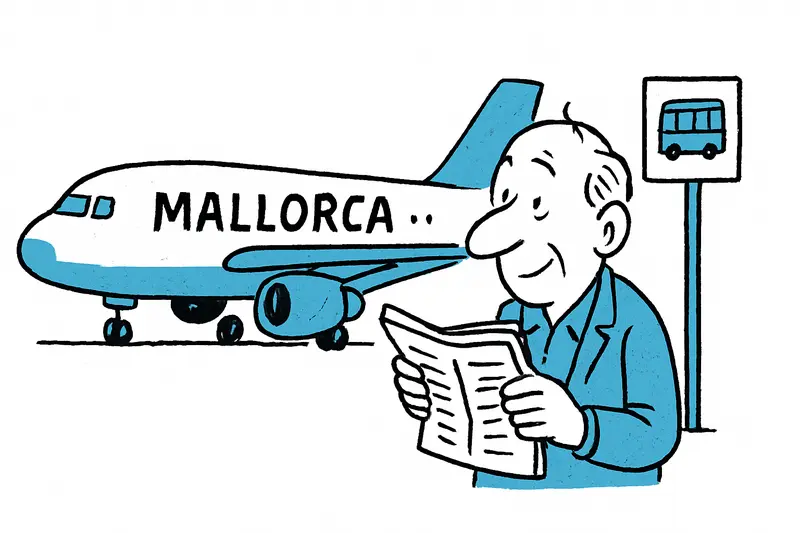
Eurowings lets four aircraft carry names – a friendly idea that also reaches Mallorca
Eurowings is launching a campaign: four Airbus A320s are to carry the first names of people who help others in everyday ...
More to explore
Discover more interesting content

Can Cap de Bou

Townhouse Lleo 72
