
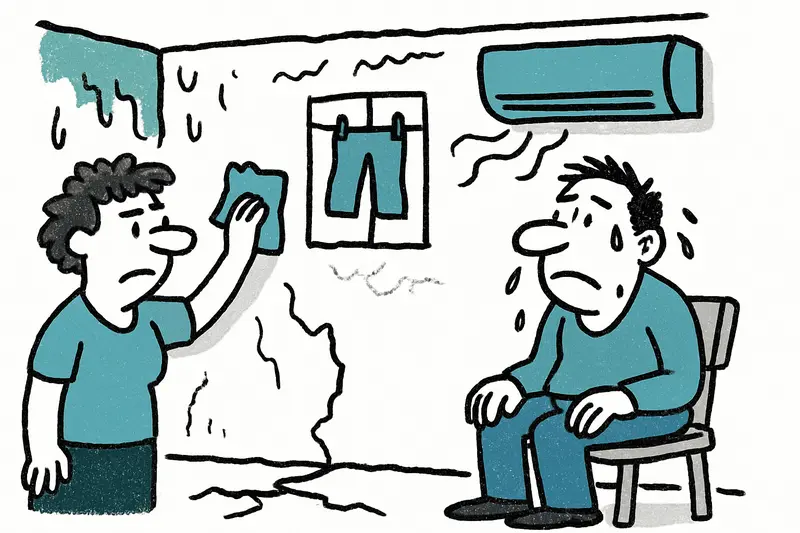
Damp walls, cracked floors, overheated rooms: What's going wrong with Mallorca's social housing
Damp walls, cracked floors, overheated rooms: What's going wrong with Mallorca's social housing
Residents have been reporting construction defects in newly handed-over social housing for years. Why aren't repairs happening — and which steps would actually help? A look from Son Oliva.
Damp walls, cracked floors, overheated rooms: What's going wrong with Mallorca's social housing
A guiding question up front: Why do apartments that are supposed to offer protection and stability end up in a condition where many residents would rather forgo them than move in? On Mallorca, there is currently much to suggest mismanagement between construction planning, inspection and use. Voices from Palma's Son Oliva neighborhood and from municipalities in the south of the island paint a picture that describes not only frustration but real health problems.
What residents complain about
Parts of the new social housing projects were handed over two years ago. Since then, complaints have been mounting: walls that shed dust and crumbs; floors with fine cracks and a sandy sublayer; kitchen countertops losing stability; and windows or sliding doors that do not close properly. In one housing complex in Son Oliva, 15 of 30 eligible recipients decided not to take the apartments — a rate unusually high in this form. In other buildings, tenants complain that they freeze in winter and suffer unbearable heat in summer. Some households had to ask relatives to take them in to protect infants from the high indoor temperatures. This pressure is examined in When Living Rooms Become Bedrooms: How Mallorca Suffers from a Housing Shortage.
Critical analysis: How did these conditions arise?
There are several plausible causes interacting: First, some projects appear to have implemented experimental construction solutions — perhaps intended to save resources or meet sustainability goals — without adequately testing practical suitability for low-income residents. Second, the accumulation of complaints points to gaps in construction oversight: quality checks during and after construction do not seem to have been consistent enough. Third, coordination between planners, contractors and the future occupants appears weak. If measurements, storage space and floor plans are designed so tightly that bed and wardrobe barely fit side by side, something has gone wrong in the needs assessment.
What is missing from the public debate
Public discussion focuses a lot on numbers, land and government support for renovation. Less audible are the concrete everyday consequences: health burdens from damp and dust, the stress of families who question their children's safety because doors and windows don't work, or the mental exhaustion of people who are still waiting for solutions after two years. The chain of responsibility is also rarely discussed: who is specifically liable when there are construction defects — the authority, the developer, or the construction supervision?
A scene from Son Oliva
On a gray morning an elderly woman sits on the park bench beside the playground at the edge of Son Oliva. She wipes the filter of a climate box with a rag — a device that was not allowed to be installed when the flat was handed over — and describes how the floor in her new kitchen becomes grainy when she cleans. Two houses away laundry still hangs over a balcony; the residents avoid the terrace because the stains on the façade come from penetrating damp. Bus line 3 passes by, and on the curb tenants discuss the letter to the housing authority: they are tired of forms and phone queues. These small, concrete moments show what numbers do not capture.
Concrete solutions
Short-term (days to weeks): independent immediate inspections in affected buildings, mandatory temporary measures (e.g., dehumidifiers, provisional seals) and an easily accessible complaints office with clear deadlines for responses. Medium-term (weeks to months): technical reports by external experts, transparent renovation plans with priority lists, and priority rehousing for people with health risks. Long-term: revision of procurement criteria for social housing projects, binding inspection phases during construction, standardized minimum requirements for room sizes and storage, and involvement of future users already in the planning phase.
Fewer proposals, more responsibility
Listing repairs is not enough. The decisive questions are who pays for them and who is liable if the same mistakes happen again. A serious response needs not only technical fixes but administrative action: binding deadlines, sanctions against developers for poor performance, and a neutral body to verify defects independently. The practice of generally forbidding residents from installing air-conditioning units, shelves or keeping pets should also be reconsidered: such bans can unintentionally reduce quality of life rather than provide protection.
Conclusion — a pointed view
Social housing is not an abstract investment object; it is where people cook, sleep and live. If people are still complaining about crumbling walls, cracked floors and unbearable heat after two years, then several actors have failed simultaneously. Authorities must now present visible, verifiable steps. And the island community should insist: social housing projects must serve people, not the desire for innovation or the cost-cutting of contracting parties. Otherwise what remains are piles of half-finished units — and growing disappointment in the streets of Palma and beyond.
Frequently asked questions
Why are some Mallorca social housing apartments in poor condition so soon after handover?
What health problems can damp and overheating cause in Mallorca housing?
What should tenants do if their Mallorca flat has construction defects?
Why did some people refuse Mallorca social housing apartments in Son Oliva?
How common are housing complaints in Mallorca's new social housing projects?
Who is responsible when social housing in Mallorca has defects?
What long-term fixes could improve social housing in Mallorca?
What is happening in Palma's Son Oliva neighborhood with social housing?
Similar News
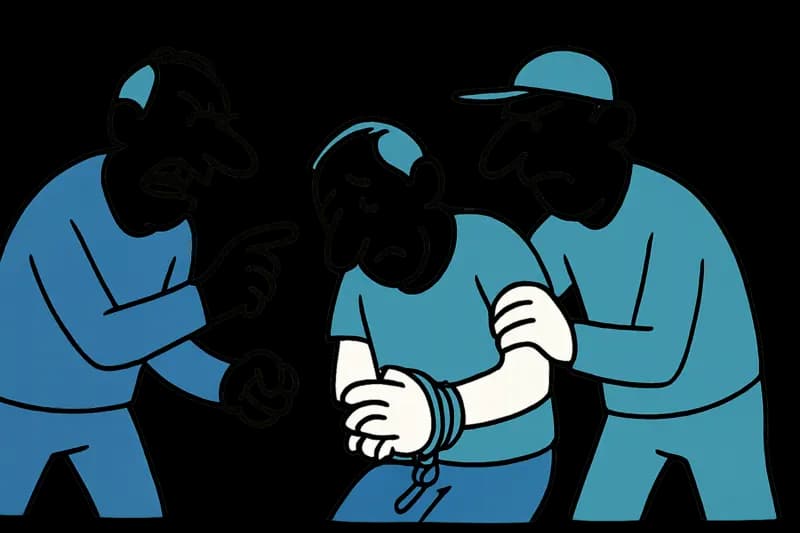
Mistaken identity with fatal consequences: Brutal assault in S'Aranjassa — what's missing in the follow-up?
At S'Aranjassa a visitor to a finca was tied up, beaten and thrown out of a van. Three men have been arrested, including...
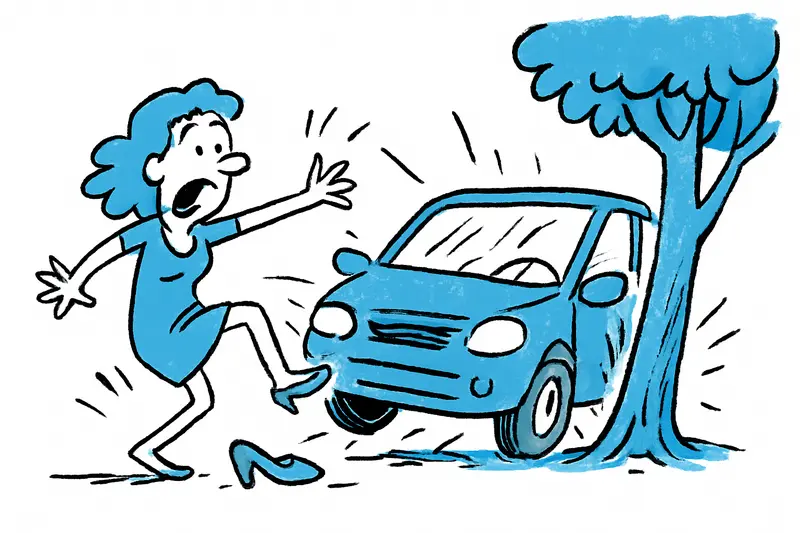
High heel slips, car accelerates: accident on Camí de Son Hugo
A woman lost a high-heeled shoe on the forecourt of the sports facility at Camí de Son Hugo. The car accelerated, mounte...
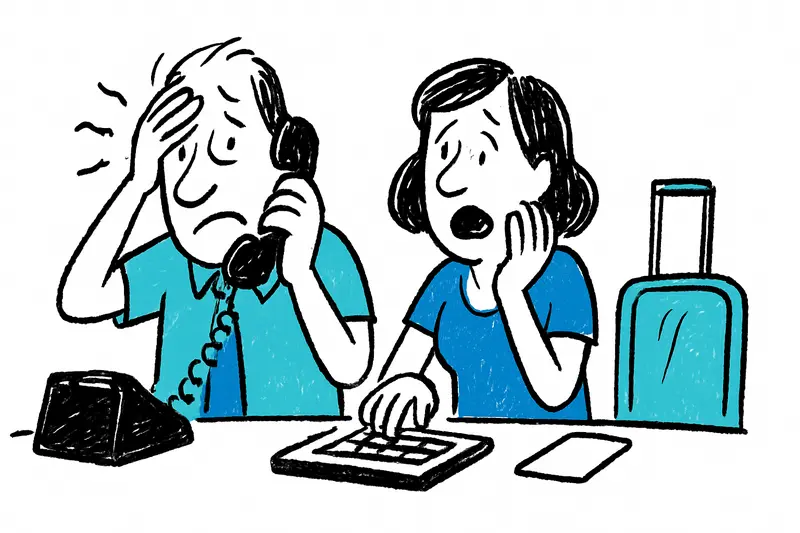
Phone Scam: How Two Hotel Employees at Playa de Palma Lost Thousands of Euros
One morning in September, two reception employees at Playa de Palma were pressured by alleged alarm-company staff — in t...
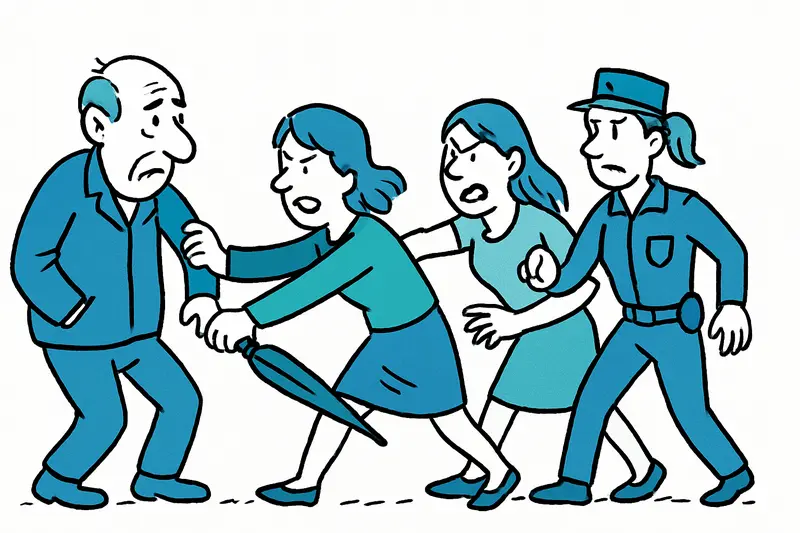
When the Wallet Becomes a Danger: Attack in Peguera and Lessons for Mallorca
In Peguera, two women are said to have stolen the wallet from a 75-year-old German couple. When the victim intervened, t...
Plata stays Plata: Young people take over, Llonguets remain
A small bar on Carrer de l'Argenteria will continue: Tolo Serra hands the place over to young Mallorcans at the end of t...
More to explore
Discover more interesting content

Can Cap de Bou

Townhouse Lleo 72
