
Día de la Pesta: Palma's Unusual Ritual for Saint Sebastian
Día de la Pesta: Palma's Unusual Ritual for Saint Sebastian
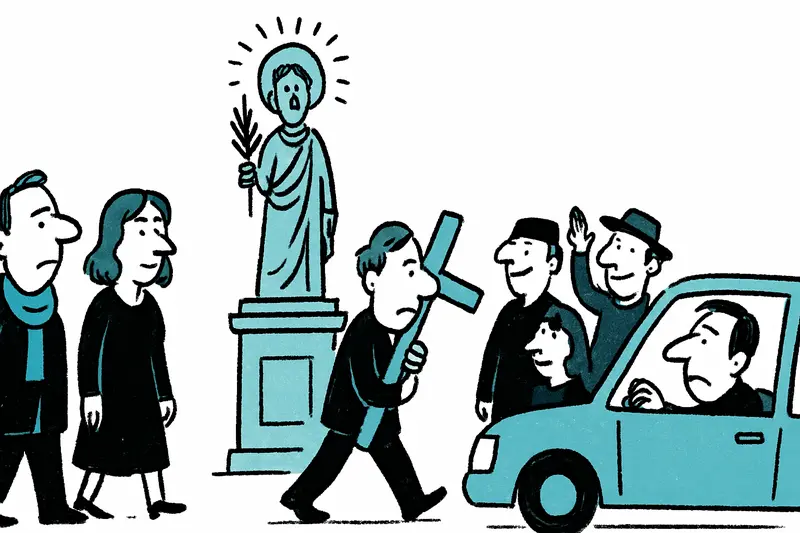
This evening Palma recalls an old legend of liberation with the unusual "Día de la Pesta". At 5:00 PM people are asked to wear black on the town hall square, followed by a procession and a celebration with DJ music. Drivers should expect road closures.
Día de la Pesta: Palma's Unusual Ritual for Saint Sebastian
When the old town lanes cool down a little in the early evening and the market sellers' voices grow quieter, the Plaça de Cort fills with people wearing dark clothes. This evening, on the occasion of the patronal festival Sant Sebastià (Saint Sebastian), the city of Palma has once again invited residents to the so-called Día de la Pesta — a remembrance of a story that goes back to the 16th century.
What is it about?
The core of the ritual is simple: a relic of Saint Sebastian is traditionally regarded as protection against the plague. At 5:00 PM all citizens are asked to come to the town hall square dressed in black. Shortly after, around 5:30 PM, a procession begins in which a plague epidemic is symbolically reenacted and the relic is handed over. Afterwards the event moves to Plaza Llorenç Bisbal, where a DJ plays and the atmosphere turns into an open celebration.
What does it feel like?
Anyone who has spent such an evening in Palma knows the mixture of solemn gesture and folk festival. On the Plaça de Cort you hear the crack of footsteps on cobblestones, the murmur of conversations and the occasional distant horn. In front of the town hall there is sometimes the smell of warm baked goods from a nearby bakery, children walk around with candles, and older neighbors stop to greet one another. The black clothing gives the square an almost theatrical contrast to the bright facades of the old town.
Why it's good for Palma
Rituals like these anchor community life. They connect the present with history without becoming museum-like. At a time when many traditions are only found on postcards, this evening creates lively encounters between people who live, work or are visiting here. Local shops, cafés and musicians benefit from the extra footfall; the city gains an unusual event in an otherwise quiet January.
Practical information for residents and visitors
If you are travelling by car, allow plenty of extra time: the city administration has announced Palma: Wide-area closures around the Seu during the patronal feast – What residents and visitors need to know, and several bus lines will be rerouted temporarily — see Patronal Festival in Palma: Celebrations — but how can residents and mobility stay in sync? for specific stop changes. Specific stop changes can be found on notices from the transport companies and at the stops themselves. Volunteers and stewards on site try to coordinate the flow of pedestrians and vehicles, but access roads to the old town can become tight during peak times.
Join in — or watch
Participation is straightforward: a black top is enough, and the mood is open and curious. If you prefer not to join the procession, there are good vantage points on squares and side streets. Photography is allowed, but respect for the symbolic elements is important — for many residents the ritual has a serious meaning.
A brief outlook
The Día de la Pesta is still new as an annual event, but the mix of tradition and celebration fits well with life in Palma. In the coming years the format might evolve: more local music, accompanying exhibitions about the city's history, or programs for children. It will be important that the occasion retains its authenticity and does not drift too far into pure spectacle.
At night, when the lane lights come on and the DJ fills Plaza Llorenç Bisbal, Palma is momentarily at one with itself — one foot in history and the other in a neighborhood that meets to talk and dance. Such an evening does the city good: it recalls origins, creates encounters and proves that traditions can work without dust.
Frequently asked questions
What is Día de la Pesta in Palma?
When does Día de la Pesta take place in Palma?
What should I wear to Día de la Pesta in Palma?
Can visitors join the Día de la Pesta procession in Palma?
Where does Día de la Pesta happen in Palma?
Are there road closures or bus changes for Día de la Pesta in Palma?
Is Día de la Pesta in Palma more of a religious ritual or a street party?
Is Día de la Pesta worth seeing if I am visiting Palma in January?
Similar News
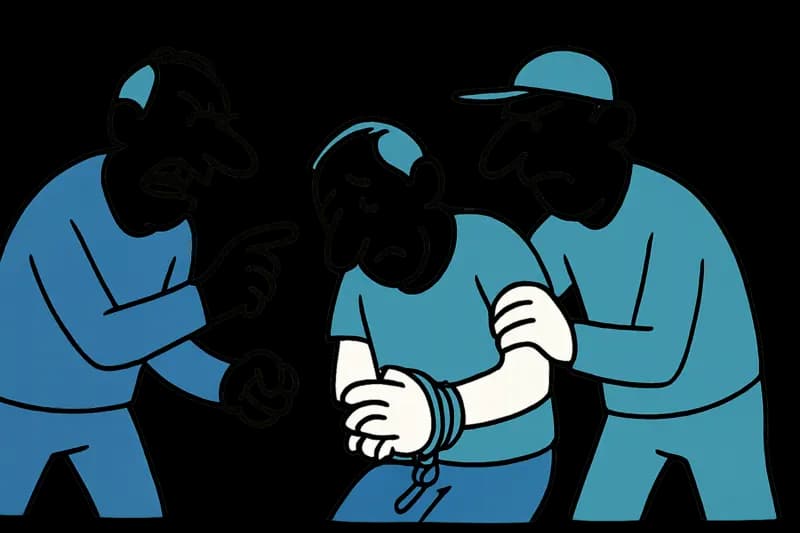
Mistaken identity with fatal consequences: Brutal assault in S'Aranjassa — what's missing in the follow-up?
At S'Aranjassa a visitor to a finca was tied up, beaten and thrown out of a van. Three men have been arrested, including...

High heel slips, car accelerates: accident on Camí de Son Hugo
A woman lost a high-heeled shoe on the forecourt of the sports facility at Camí de Son Hugo. The car accelerated, mounte...

Phone Scam: How Two Hotel Employees at Playa de Palma Lost Thousands of Euros
One morning in September, two reception employees at Playa de Palma were pressured by alleged alarm-company staff — in t...
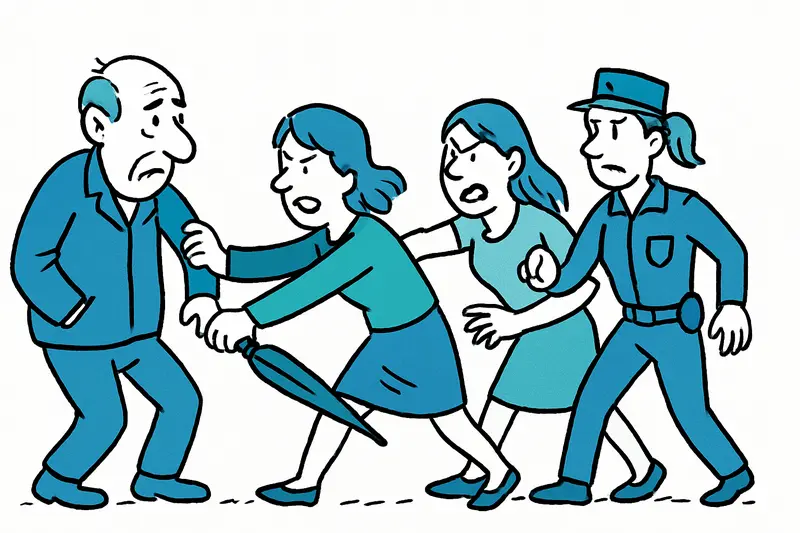
When the Wallet Becomes a Danger: Attack in Peguera and Lessons for Mallorca
In Peguera, two women are said to have stolen the wallet from a 75-year-old German couple. When the victim intervened, t...
Plata stays Plata: Young people take over, Llonguets remain
A small bar on Carrer de l'Argenteria will continue: Tolo Serra hands the place over to young Mallorcans at the end of t...
More to explore
Discover more interesting content

Can Cap de Bou

Townhouse Lleo 72
