
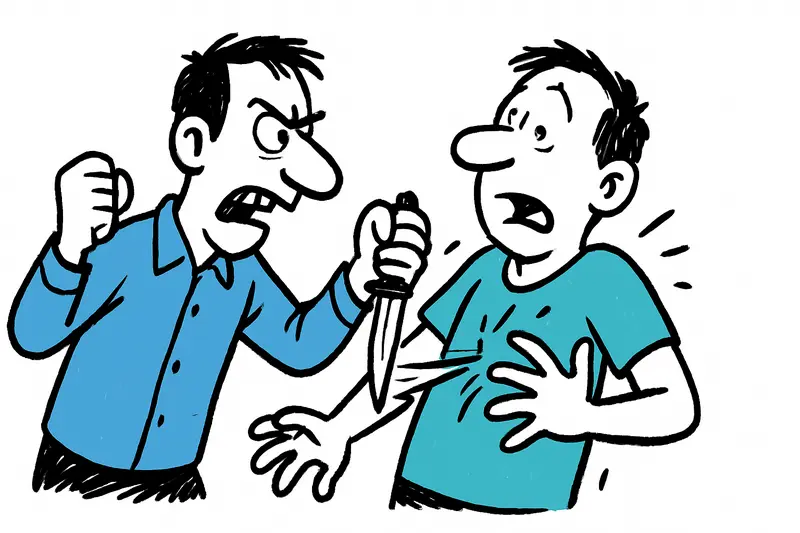
Death in Son Gotleu: A Knife Stab — and Many Unanswered Questions
Death in Son Gotleu: A Knife Stab — and Many Unanswered Questions
In Son Gotleu a young man was fatally injured after an altercation in a bar. Police arrested a suspect, but the reason remains unclear. A reality check on what Palma's social hotspot lacks — and what could be tackled immediately.
Death in Son Gotleu: A Knife Stab — and Many Unanswered Questions
Key question: How can a bar dispute in Palma's troubled neighborhood be prevented from ending in a life-threatening way?
In the night into Monday, an argument in a bar in Son Gotleu ended fatally: a young man, reportedly of Algerian origin according to those on site, was apparently stabbed in the chest with a knife and died shortly afterwards in Son Espases Hospital. The National Police arrested a person shortly afterwards who matched the description. The homicide commission is investigating; motive and sequence of events remain unclear.
The scene on site is easy to imagine: a side street, bass-heavy music blaring inside the venue, the clinking of glasses, the constant rumble of buses outside — and then the sudden chaos, emergency calls, flashing lights, similar to Brawl at Playa de Palma: Why a verbal exchange could have ended fatally. Residents in Mallorca repeatedly experience such escalations, which unsettle not only those directly involved but whole neighborhoods.
Critical analysis: The events of the last hours show that rescue teams and police were quickly on site. It is also clear that investigators have a suspect, as seen in cases like Arrest after knife attack in Pere Garau: How safe is Palma's neighborhood?. Nevertheless, core questions remain open. Why did the argument occur? Was there a prior history? Did the bar or its surroundings have measures to prevent conflict? In Son Gotleu, long regarded as a socially strained area, poverty, lack of prospects and a confined public life often collide — a terrain where a dispute can quickly escalate.
What is missing in the public discourse now is differentiation. Violent incidents are often described only in their most spectacular moment: knife, arrest, hospital. Missing from these descriptions are the long-term factors: housing density, youth work, unemployment, and concretely the local places where young people meet — bars, squares, stops. Without this picture, the discussion remains superficial and provides no approaches to prevent repeats, as previous reports such as Threat in Son Gotleu: Youth Group Robs Phone and Threatens with Knives have illustrated.
Everyday view from Palma: At the baker on the corner of Son Gotleu people are already talking about the night in the morning. Older women climbing the stairs with their shopping bags, teenagers rushing to school, taxi drivers sighing as they report calls — this is not an abstract problem but part of daily life. Many here are asking not for more cameras, but for more presence of trusted people: social workers, street workers, people who keep contact before conflicts get loud.
Concrete solution approaches that could make sense now:
1) De-escalation and first-aid training for bar staff: Even simple trainings on how to recognize and de-escalate disputes early, and how to respond correctly to severe injuries, would buy minutes that can save lives.
2) Closer networking between police and social work: Not just deployments, but regular exchange between the precinct, the municipality and local social services helps to identify conflict parties and hotspots early.
3) Low-threshold offerings for young people: More spaces for sports, music and counseling in Son Gotleu mean less time on the street and less potential for escalation.
4) Visible but non-repressive presence: Patrols can calm things if they act with a stated focus on protection and mediation — not just control.
5) Prevention measures against knife use: Awareness campaigns, voluntary drop-off points for weapon remnants and cooperation with pub owners on non-stigmatizing entrance checks would raise the barrier to violent acts.
What does not help now: loud finger-pointing, blanket condemnations of population groups or quick stoking of fears on social media. That narrows perspectives and possibilities. More effective are concrete, locally anchored steps that bring stakeholders to the table; other local incidents, such as Santa Ponsa: Release after knife and assault allegations sparks unrest, show how quickly tensions can spread when discourse becomes polarized.
The investigations by the National Police will provide the immediate legal clarification. In parallel, the city administration should react with clear short-term measures: emergency programs for neighborhood work, additional street worker shifts, a look at working conditions in venues with late closing times. That costs money and time — both uncomfortable, but cheaper than another life ending in a bar.
Conclusion: The death of the young man is a bad sign for safety in a part of Palma that has long been on the edge. The answer must not be only police-based. Whoever wants to make a place permanently safer must work on multiple levels: prevention, social services, targeted policing and above all continuous presence of people who can mediate. Son Gotleu needs more hands, not just headlines.
A final, hardly poetic note: more street lighting, an open meeting point in the evening, a real conversation at the kiosk — small things that together can prevent the next argument from ending with a knife.
Frequently asked questions
When is the best time to visit Mallorca for beach weather?
Should I rent a car in Mallorca or rely on public transport?
What should I pack for a Mallorca trip?
Are there family-friendly beaches in Mallorca?
What outdoor activities should I try in Mallorca?
Is it easy to move around Mallorca during peak season?
What local tips should I know when visiting Mallorca?
How can I find affordable options in Mallorca?
Similar News
New Cappuccino in Port d'Andratx: Larger Terrace and Views of Harbor Life
After more than a year of renovation, an expanded Cappuccino Grand Café has opened in Port d'Andratx. The terrace, inter...

Unknown suitcase on board – how a piece of luggage forced an Ibiza jet to Toulouse
A Eurowings flight from Ibiza to Düsseldorf had to make an unscheduled stop in Toulouse because a piece of luggage on bo...
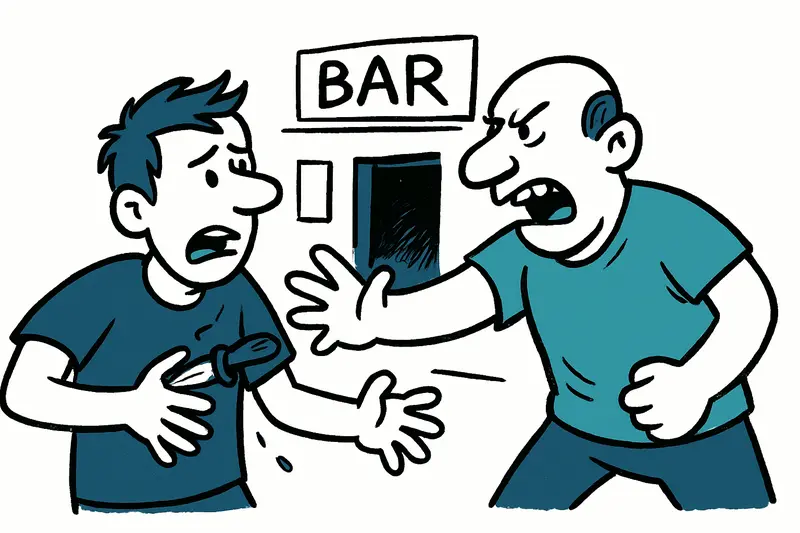
Fatal knife attack in Son Gotleu: Young man dies after dispute in bar
In Son Gotleu a young man was stabbed to death after an argument in a bar. The Policía Nacional arrested a suspect short...
Autumn approaches on the island: Still sun, but a rain band will soon bring relief
The last warm days on Mallorca are still here – around 30°C by day, just under 20°C at night. According to AEMET, a rain...
TV documentary on the Mediterranean: How threatened is Mallorca really?
A new television documentary follows marine research off Mallorca and shows: sea temperatures are rising, and farmers ar...
More to explore
Discover more interesting content

Can Cap de Bou

Townhouse Lleo 72
