
Disappointment at Finca Galatzó: When Garden Fences Hide the Heritage
Disappointment at Finca Galatzó: When Garden Fences Hide the Heritage
A popular excursion spot near Es Capdellà is partially closed: renovation work on the main house, high costs and unclear financing cause frustration — and raise the question of how a municipal estate can be operated economically and ecologically for the future.
Disappointment at Finca Galatzó: When Garden Fences Hide the Heritage
Why visitors face construction fences, who pays the bill and what solutions might exist
Key question: Can a large municipal estate like Galatzó be renovated according to monument-preservation standards without the operation, the agriculture and the visitors suffering permanently?
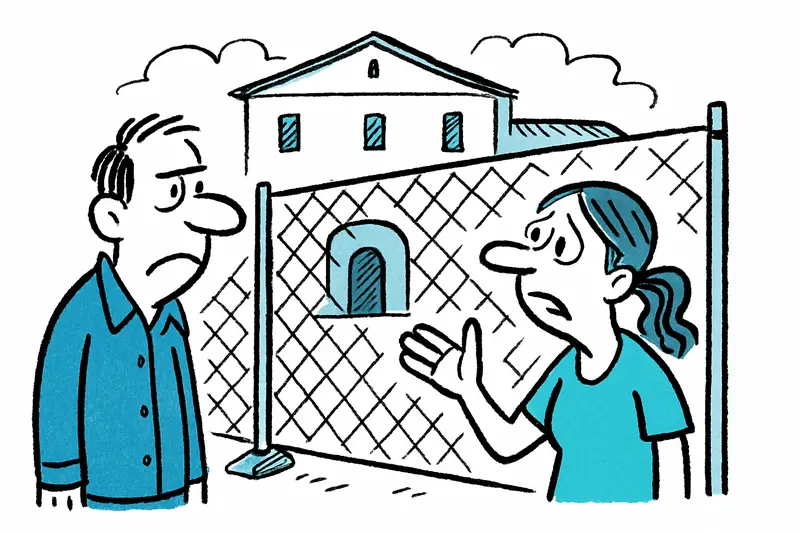
At the entrance between Es Capdellà and Galilea: cars park on the gravel, hiking boots crunch, the smell of rosemary mixes with damp earth. But instead of the usual view into the courtyard, construction fences deter visitors. The main house, which normally greets guests with an oil mill and inner courtyard, is cordoned off. The paths remain open, as do the small guesthouse and the bar, but the main attraction is gone — for months. (see Collapse at Palma's City Wall: What Needs to Happen Now)
The facts are clear: repairs to the historic building are a priority. An inspection revealed serious structural damage; moisture is entering through cracks. The first construction phase costs around €5.7 million; about €3 million comes from EU funds, the rest is borne by Calvià Invests 25 Million: Between Renewal and Construction-Site Logic. What is missing is a clear plan for the subsequent phases — the second works are not yet financed, and the final sum will likely reach double-digit millions.
Critical analysis: Monument preservation, municipal finances and tourism meet here — and not smoothly. Expenditures to preserve a 3,500-square-meter main building are high; the running costs of the entire estate are reported at more than €350,000 per year. At the same time, the estate covers ten million square meters — around ten percent of the municipal area. An imbalance arises: public funds flow into massive substance preservation while ongoing operations generate shrinking revenues.
In the public discourse the perspective of funding sustainability is often missing. People talk about EU funds and renovation costs, but hardly about long-term operating models, clear metrics for visitor fees, or which conditions are attached to the grants. Also underexposed is the question of how public access and nature conservation can be balanced when parts of the ensemble are closed off permanently. (see Finca Torrenova: Calvià to open historic park to the public from 2026)
Everyday life at the finca: Families stand in front of the cordoned-off house, some look disappointed, others photograph the fences. Dogs are frequently brought along despite a leash requirement; sheep and free-ranging cows — recently seven animals of the Vaca Mallorquina breed were deployed on the grounds — react sensitively. The cows are part of a traineeship: they reduce vegetation as a fire-prevention measure and fertilize the soil. To prevent them from straying, they wear transmitters that are supposed to guide them by sound call.
The combination of monument protection and traditional agriculture is fundamentally sensible. The municipality has agreements with the farmers' association Pagesos de la Terra; irrigated areas are used by a local facility for people with disabilities, which cultivates oranges and herbs. Such models combine social work with land management and offer real added value. Yet problems remain: the second phase of the renovation is unresolved, visitors do not always follow prohibitions, and the annual maintenance costs strain the municipal budget.
Concrete solutions: First, transparent financial controlling for Galatzó, publicly accessible, that discloses income, expenses and grant conditions. Second, a staggered usage and marketing concept — plan partial renovations so that core visits remain possible; temporary exhibitions or workshops in provisional spaces could compensate for lost offerings. Third, examine an operating model that connects the municipality, local farming cooperatives and social organizations; lease or cooperative models could reduce ongoing costs and keep value creation local. Fourth, clear rules for dogs and their enforcement — visible controls and fines, combined with information campaigns at the parking area. Fifth, fully exploit the conditions of EU funding, for example through mandatory educational and environmental programs that open up additional funding or participation resources.
What has so far been too little in the public conversation: real involvement of the neighborhood and regular visitors. Those who walk here know the paths, the small springs and the spots that dry out in summer. Volunteer programs, neighborhood advisory boards or “Amo” sponsorships — referring to the historical estate steward role — could strengthen local responsibility and create visibility. (see Between Llaüts and Emptiness: A Critical Walk Through Palma's Forgotten Corners)
Conclusion: Galatzó is more than an old house and an area on the map. It is a piece of landscape culture that unites municipal interests, nature conservation and leisure. Renovation is necessary, that is beyond question. What will be decisive is how transparently costs are distributed, how follow-up financing is secured and how the grounds are made lively again without the bill falling solely on the municipality. Those who walk today past the signs and fences should in the end not only see a renovated building, but a clear plan for how this estate remains open — and functional — for coming generations.
Frequently asked questions
Why is Finca Galatzó partly closed for visitors in Mallorca?
Can you still walk around Finca Galatzó while the house is under repair?
What kind of renovation work is happening at Finca Galatzó in Mallorca?
Is Finca Galatzó still worth visiting even with construction fences?
How is Finca Galatzó financed, and who pays for the renovation?
What are the annual running costs of Finca Galatzó in Mallorca?
What role do cows and farming play at Finca Galatzó?
What should visitors know before going to Finca Galatzó near Es Capdellà?
Similar News
Reality check: Palma's "white" torrent — harmless salt or neglected warning sign?
White crusts on the Torrent de Sa Riera are causing a stir. Emaya describes them as salt deposits. Our reality check: wh...
When Ryanair's fleet grows: What Mallorca's travelers should know
Ryanair will soon receive 737 Max 10 jets. The larger aircraft offer potential savings — but also new risks for flight o...

Rising fuel and housing costs: Why Mallorca's overland buses are suddenly overcrowded
More and more people are leaving Palma — and boarding TIB buses: Between January and August 2026, the network recorded o...

Carriages Without Horses: Palma Plans E-Carriages – a Reality Check
Palma plans to switch to electric carriages in 2027. The prototype was shown near the cathedral. What is the technology ...

Record season, empty coffers: Who really benefits from the tourism boom?
Full hotels and more flights: the numbers sound impressive — yet many locals feel no benefit. A reality check with an ev...
More to explore
Discover more interesting content

Can Cap de Bou

Townhouse Lleo 72
