

Driving test backlog on the Balearic Islands: 9,000 learner drivers waiting — and nobody is talking about the consequences
Driving test backlog on the Balearic Islands: 9,000 learner drivers waiting — and nobody is talking about the consequences
On Mallorca and the neighbouring islands about 9,000 learner drivers are in the queue. Ten instead of 17 examiners, waiting times of up to three months — what this means for everyday life, education and traffic.
Driving-test backlog on the Balearic Islands: 9,000 learner drivers in the queue
It smells of the sea and brakes: in the morning in front of a driving school in Son Gotleu a young man with the nervous excitement of an exam candidate is stuck in traffic, a scooter rumbles by, tourists are unloading suitcases from a van. Around Palma and the other island centres a quiet queue is currently growing — about 9,000 people in the Balearic Islands are waiting for their practical driving test.
Key question
Why are testing capacities on the Balearic Islands so tight, and what consequences does the months-long waiting have for residents, the economy and traffic?
The numbers are simple and uncomfortable: on paper there are 17 examiners for the island group, but in reality only ten are currently in service. Especially in summer, when many young people aim to get their licence, this leads to peak strain. Result: waiting times of up to three months, fully booked schedules at driving schools and annoyed parents who have to take their children to lessons and tests.
Critical analysis
The problem is not an isolated administrative annoyance. Testing staff is a scarce resource — but the organisation of the tests intensifies the shortage, as local reporting highlights an examiner shortage in the Balearic Islands. In the mornings appointments are often blocked by tests that are postponed due to illness or technical problems; in the afternoons the infrastructure often stands unused. Anyone who drives into the city during rush hour sees the consequences: more practice lessons, more trips with the driving instructor, more traffic on main arteries like the Avinguda de Gabriel Roca or the Ma-20.
The term "driving examiner" sounds bureaucratic, but behind it lies a systemic fault: when the capacity for tests chronically lags behind demand, costs and time are shifted to private households — and it opens space for unofficial workarounds, like double bookings or elaborate lesson packages, which in turn exclude people with less money. This can contribute to problems such as drivers being stopped without a valid driving licence.
What's missing from public discourse
The tight figures are being discussed, but the view is rarely widened: how does a long waiting time affect the education of young people, their mobility to work or training? No one counts the additional CO2 kilometres generated by repeated practice drives. And no one calmly asks whether testing procedures could be more digital, flexible or regionally better distributed.
Everyday scene from Mallorca
A father in Cala Major mentions in passing that his daughter has been waiting for an exam appointment for months. She works in a café on the Passeig Marítim; shift schedules are inflexible — without a car, late evenings are difficult. So they keep booking lessons, paying surcharges for weekend slots, rearranging their daily life. On the way to the practice area the driving instructor does three laps around Plaça d'Espanya to simulate different traffic situations — time that costs the family and the business.
Concrete solution approaches
1) Extend testing hours: authorities could pilot afternoon shifts. Many examiners would likely accept longer but more flexible working hours if there were clear compensation rules. 2) Mobile testing stations: temporary test sites in high-demand locations such as Manacor or Llucmajor could ease the burden. 3) Administrative relief: digital appointment systems with real-time updates and automatic rebooking in case of cancellations would fill empty slots. 4) Training and further education: short-term recruitment of additional examiners through temporary programmes — coupled with accelerated training — could close gaps. 5) Rethink driver education: more simulated test time in driving schools (via certified simulators) would use test time more efficiently without sacrificing test quality.
Why it matters
These are not abstract reforms but measures that directly relieve everyday life and the economy. Shorter waiting times mean less stress for apprentices, fewer detours for commuters and lower extra costs for families. And: when tests become more predictable, unnecessary traffic from repeat drives is reduced.
Another point: the distribution of examiner posts across the islands should be reviewed. Density in Palma is high, but municipalities in the south and east of the island also complain about long journeys to test centres — an imbalance that can be managed.
Concise conclusion
The figure "9,000" is more than a statistic; it is a symptom. It is a mixture of staff shortages, rigid scheduling and a lack of digital flexibility. Anyone who watches the traffic at a café in Mallorca in the morning sees the consequences in small moments: parents who can no longer form car pools, young people with delayed job starts, fully booked driving schools. The problem is solvable — if administration, politics and driving schools are willing to test pragmatic changes and finally adapt testing capacity to summer demand.
Frequently asked questions
Why are driving test waiting times so long in Mallorca?
How long is the driving test backlog on the Balearic Islands?
Does the driving test delay affect traffic in Mallorca?
What can driving schools in Mallorca do while students are waiting for a test date?
Are there enough driving examiners in Mallorca?
Why is it harder to get a driving test appointment in Mallorca in summer?
Would more flexible driving test hours help Mallorca?
Which areas outside Palma could benefit from more driving test capacity in Mallorca?
Similar News
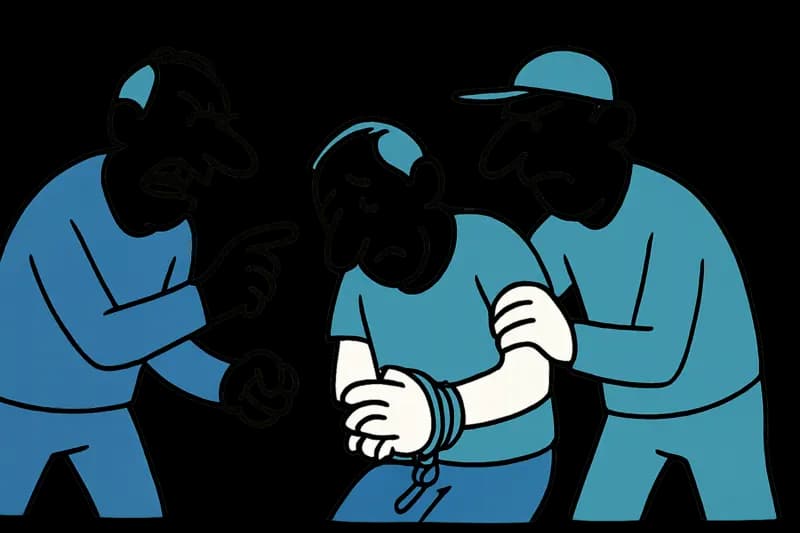
Mistaken identity with fatal consequences: Brutal assault in S'Aranjassa — what's missing in the follow-up?
At S'Aranjassa a visitor to a finca was tied up, beaten and thrown out of a van. Three men have been arrested, including...
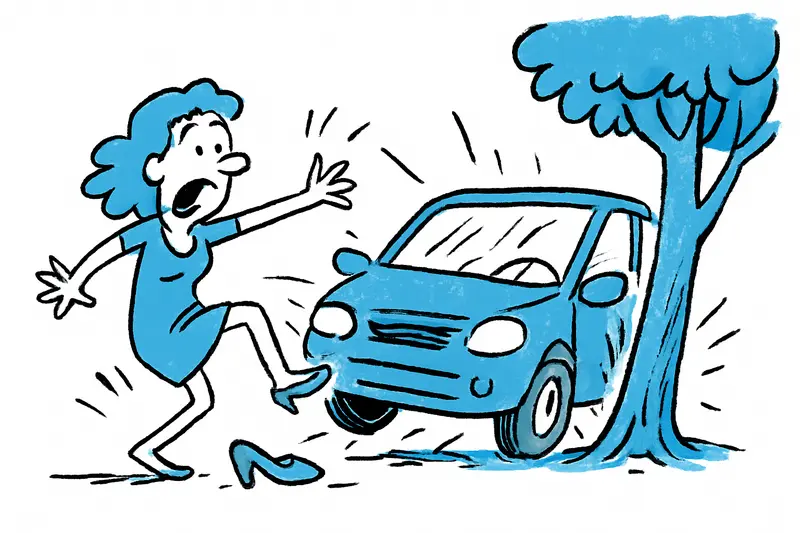
High heel slips, car accelerates: accident on Camí de Son Hugo
A woman lost a high-heeled shoe on the forecourt of the sports facility at Camí de Son Hugo. The car accelerated, mounte...

Phone Scam: How Two Hotel Employees at Playa de Palma Lost Thousands of Euros
One morning in September, two reception employees at Playa de Palma were pressured by alleged alarm-company staff — in t...

When the Wallet Becomes a Danger: Attack in Peguera and Lessons for Mallorca
In Peguera, two women are said to have stolen the wallet from a 75-year-old German couple. When the victim intervened, t...
Plata stays Plata: Young people take over, Llonguets remain
A small bar on Carrer de l'Argenteria will continue: Tolo Serra hands the place over to young Mallorcans at the end of t...
More to explore
Discover more interesting content

Can Cap de Bou

Townhouse Lleo 72
