
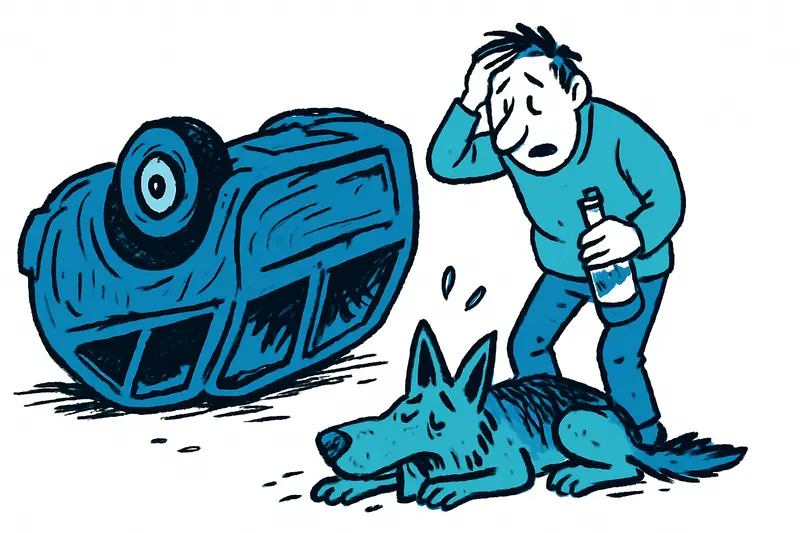
Drunk Driver and Injured German Shepherd in Alcúdia: A Morning Accident That Raises Questions
Drunk Driver and Injured German Shepherd in Alcúdia: A Morning Accident That Raises Questions
In Alcúdia, a driver lost control in the early morning, collided with three parked cars and injured his German Shepherd. The case reveals gaps in traffic checks and the protection of animals in cars.
Drunk Driver and Injured German Shepherd in Alcúdia: A Morning Accident That Raises Questions
Early on Wednesday morning, around 6:20 a.m., the usually sleepy road toward Playa de Muro abruptly became an accident scene: a car lost control, pushed into three cars parked at the curb and came to rest on its side. The driver walked away shaken, but his German Shepherd did not. The animal suffered injuries to its snout and paw.
Key Question
Why do accidents repeatedly occur in which not only people but also animals are harmed — and how can we better protect both?
Critical Analysis
The core of the problem quickly became apparent: alcohol consumption at the wheel. A breathalyzer test returned positive and the police launched proceedings for a traffic offense (see Alcúdia: Who Was Really at the Wheel? A Reality Check on Alcohol, Responsibility and Investigations). That alone, however, does not answer why the dog was unrestrained in the vehicle in the first place and why control of the car could be lost so easily in a busy tourist area like Alcúdia. The accident site had to be secured, one lane was closed and traffic was diverted via the adjacent service road. A tow truck later removed the damaged vehicle — all before the first bakery rolled up its shutters.
What's Missing in the Public Debate
The discussion usually revolves around blood-alcohol limits and penalties. Far less attention is paid to the perspective of animals: How often are pets injured in accidents? What responsibility do owners really bear beyond a potential fine? There is also little discussion of how tourism peaks, late party nights and early departure times interact to increase accident risk (see Nighttime Accident in Sóller: Alcohol, No Driver's License — How the Situation Escalated). The role of rental car companies and holiday accommodations in informing guests about traffic rules and the safe transport of animals also remains underexposed.
An Everyday Scene from Alcúdia
Imagine the spot: still cool air, seagulls crying over the bay, the scent of freshly baked ensaimada in the air. Bicycles and sun umbrellas stand beside the beach car park, an elderly couple walks a small dog on a leash. Then the wail of police sirens, a tow truck glinting in the sun, and neighbors stepping out of their houses to look on in concern. Thus begins a day that could have gone differently.
Concrete Solutions
1. More visible checks at critical hours: early-morning and late-night breath tests at tourist hotspots could be more dissuasive than sporadic measures.
2. Pet safety checks by police: during traffic controls, immediately check animals for secure containment; for violations impose fines combined with informational material about appropriate restraint systems.
3. Information duty for landlords and rental car companies: brief notes in rental agreements and handover documents about securely fastening animals (harnesses, crates, restraint systems) could prevent many accidents.
4. Cooperation with veterinarians: post emergency plans and a list of reachable veterinary clinics at holiday destinations so injured animals can be treated more quickly.
5. Public awareness campaigns: initiatives that make the issue "animals in cars" visible — in parking lots, at beach access points and on social media, in German and Spanish (see Palma: Accident involving a drunk female driver — despite a license previously revoked).
Conclusion
The accident in Alcúdia is more than another entry in the police log. It reveals a mix of drunk driving, unrestrained animal transport and gaps in prevention. Penalties alone are not enough. A combination of checks, information and practical support is needed — so that people arrive safely and dogs in Mallorca do not become an avoidable collateral victim.
Frequently asked questions
What are best practices for transporting pets safely in Mallorca?
How do alcohol and driving affect safety in Mallorca's tourist towns like Alcúdia?
What should I do if a pet is injured in a Mallorca car accident?
Why is securing pets in vehicles a common-sense safety issue in Alcúdia?
What practical steps can landlords and rental car companies take to improve pet safety in Mallorca?
What can be done to prevent animal injuries in Mallorca road incidents?
What packing items should I bring to Mallorca if I’m traveling with a dog?
How can tourists help Mallorca accommodations promote safe transport for pets?
Similar News
Palma under the microscope: 87 arrests over forged passports – what now?
The National Police stopped 87 people at Palma airport this year with allegedly forged documents. Why are controls alone...
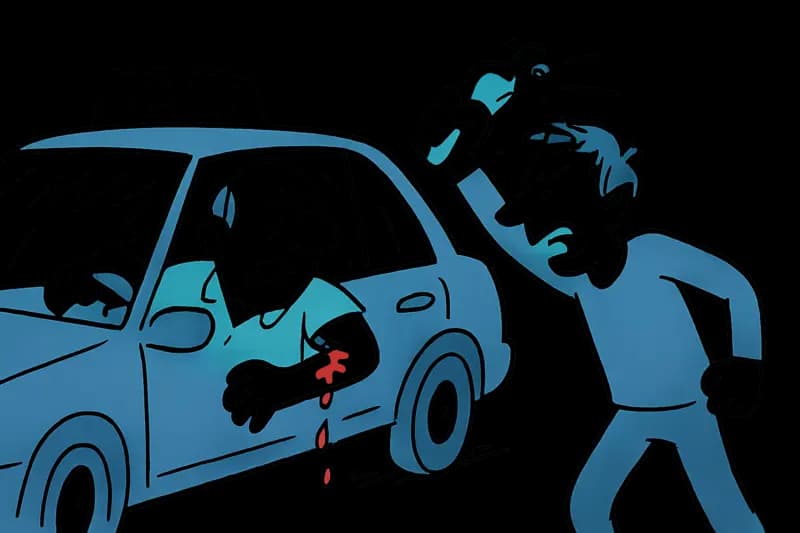
When a Taxi Fare Dispute in Magaluf Turned Bloody: How Safe Are Passengers and Drivers?
In Magaluf a dispute over the fare escalated: a tourist, now 18, is accused of having seriously injured a taxi driver in...

Why Mallorca Has Become So Terribly Expensive — A Reality Check
Rents are exploding, staple food prices are rising, wages are lagging behind. A look at the causes, what is missing from...
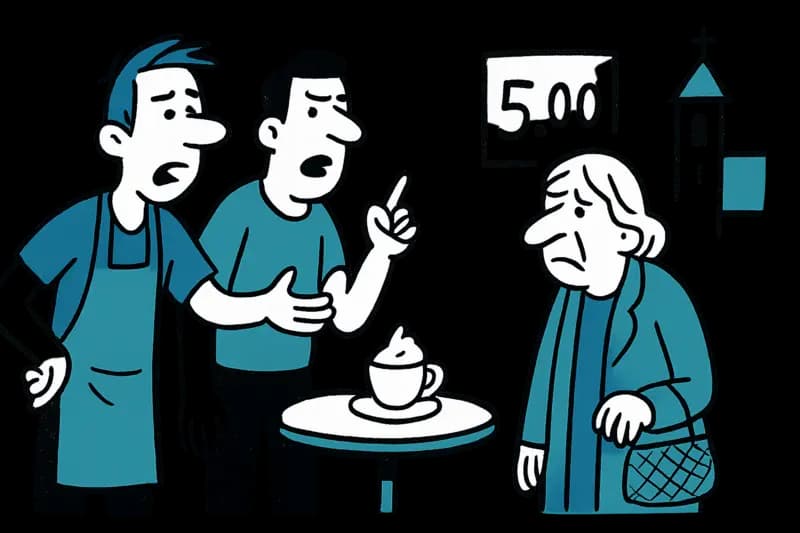
When Paradise Becomes Unaffordable
Hotel rooms, paella and the weekly grocery shop: Mallorca is becoming more expensive for many. Who pays the bill — guest...
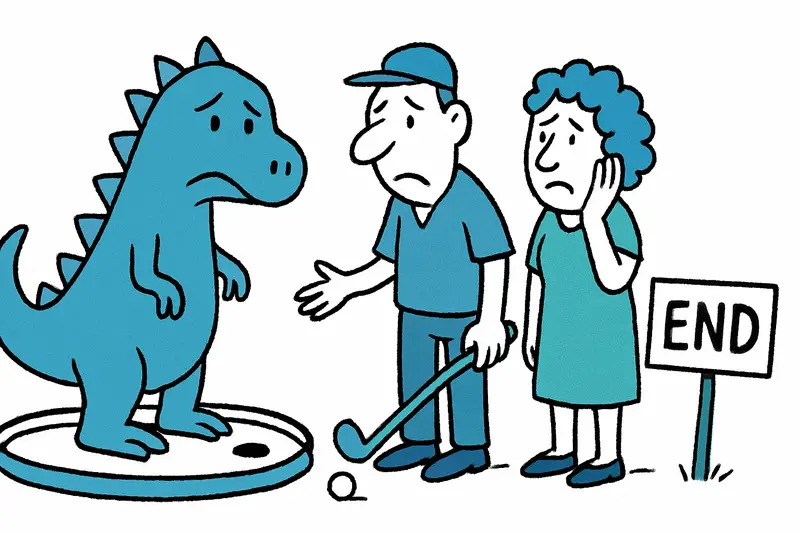
End at Ballermann: What Is Lost with the Dino Mini Golf at Playa de Palma
On October 25 the dinosaur mini-golf course at Playa de Palma will close after more than 30 years. Why the city is recla...
More to explore
Discover more interesting content

Can Cap de Bou

Townhouse Lleo 72
