
Elevator and Ramps for Sa Quarentena: Palma makes the Paseo Marítimo more accessible
Elevator and Ramps for Sa Quarentena: Palma makes the Paseo Marítimo more accessible
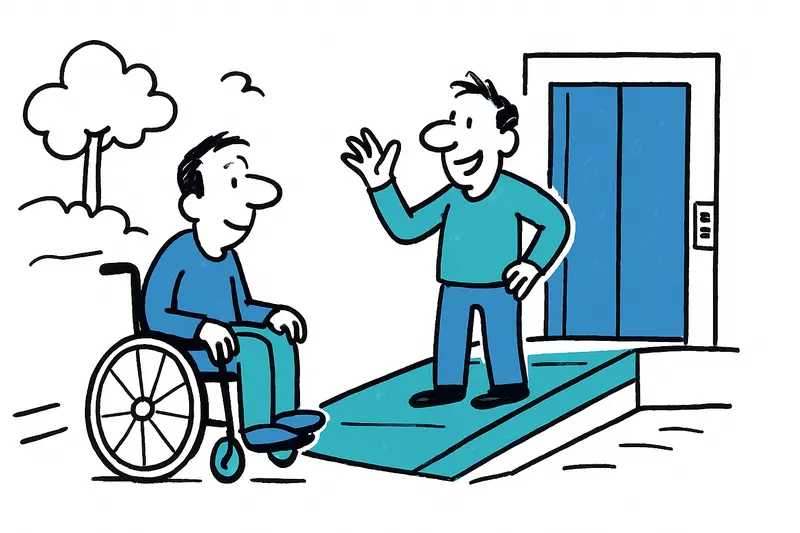
The city of Palma plans ramps and an elevator at Sa Quarentena Park — the Paseo Marítimo ↔ Terreno connection will be more accessible. Cost: over €550,000; construction time: six months.
Elevator and Ramps for Sa Quarentena: Palma makes the Paseo Marítimo more accessible
A new access point should make life easier for people with strollers, elderly residents and walkers
Anyone who in the morning feels the salt in the air at the Paseo Marítimo and lets their eyes wander over the harbor knows the short but arduous stretch up to the El Terreno neighborhood, as reported in El Terreno Gets an Elevator — a Small Step with Big Impact. Until now, it's been: climb the stairs or take a long detour. That's expected to change soon. The city of Palma has announced that ramps and an elevator will be built in Sa Quarentena Park to connect the upper park terrace directly with the Paseo Marítimo.
Practical facts: the measure includes ramps from Reial Patrimoni street as well as an elevator between the Paseo Marítimo and the park's upper terrace, which links to broader changes to the waterfront discussed in Paseo Marítimo: More boulevard, more questions — will Palma make the new waterfront part of everyday life?. The works are estimated at just over €550,000, and the planned construction time is about six months. The contracting for the construction services is to be tendered shortly.
For residents like Mr. Martí from El Terreno this is not a theoretical improvement but real relief: fewer steps when carrying shopping, less stressful pushing of strollers, and a direct connection for people with limited mobility. Tourists who often travel with luggage or strollers will also appreciate the new link — especially in a city where short routes are often interrupted by stairs, as seen in recent Detours on the Paseo Marítimo: How Palma Can Ease Access to the Ferry Port.
The small Sa Quarentena park is no stranger to walkers; it is often visited by dog owners, retirees on benches and parents with small children. The atmosphere there in the late afternoon, when the sun is lower and the sea gently murmurs, could soon be more relaxed: fewer groups stopping at the stairs and more people making the climb without worry.
The investment is modest compared to the benefits: reducing mobility barriers can significantly improve the everyday life of many people and make public space more inclusive. Not every intervention has to be spectacular — sometimes a well-placed ramp or a reliable elevator is enough to make a neighborhood a bit more accessible.
Of course, construction raises questions: there will be noise at times, paths may be blocked and residents expect the work to be carried out cleanly and with consideration for trees and the existing structure. This is an opportunity for the city administration to work transparently, communicate construction schedules clearly and plan small improvements like better signage or new seating at the same time.
A concrete tip for implementation: accessibility standards and maintenance concepts should already be mandatory in the tender. An elevator is only an asset if it is regularly checked and the accesses are not blocked by rubbish or parked vehicles. Short information signs on the Paseo Marítimo could also show how to use the new connection — for long-time residents of Palma as well as visitors.
Looking ahead: if this project succeeds, it could serve as a model for other spots along the coast where changes in elevation make routes difficult. Smaller, pragmatic measures can change the cityscape — and the people who live here will feel it every day. For El Terreno and the Paseo Marítimo, it would be a small daily convenience you can't ignore: more chatter on the benches, less cursing at the stairs.
In the coming weeks, the tender will be decisive. Anyone out and about in the neighborhood can already welcome the idea: making a city a little more accessible — without much fuss, but with tangible benefits.
Frequently asked questions
What is changing at Sa Quarentena in Palma?
Why is Palma adding an elevator to the Paseo Marítimo area?
How long will the Sa Quarentena access works in Palma take?
How much will the new access project in Sa Quarentena cost?
Who will benefit from the new access at Sa Quarentena in Palma?
Is the Paseo Marítimo in Palma difficult to access on foot?
What should residents expect during the Sa Quarentena construction in Palma?
Could the Sa Quarentena project in Palma become a model for other areas?
Similar News

Who Benefits from the Half‑Hourly Flight on the Edge? Aena, Investments and the Island's Interests
Almost one billion euros is flowing into Son Sant Joan. The figures show the scale of investment and expected beneficiar...

Are the Balearic Islands the Southern Border of Europe? A Reality Check on Immigration
The Balearic Islands are again calling for EU aid after a sharp rise in arrivals by sea. Conflicting priorities between ...

"Expensive chaos" and many open questions: What clients can do when a lawyer suddenly stops responding
Several clients complain that a well-known German lawyer in Mallorca has been unreachable for months. Key question: What...

TV tip: 'The Last Problem' — Mallorca as the setting of a classic crime
A classic whodunit on Mallorca: A new miniseries set in spring 1959 brings storm, an isolated hotel and a dense web of s...

Nipping Sea Creatures: Why Bathers in Cala Major and Elsewhere Should Be Cautious
In Cala Major, bathers have reported being nipped by small fish. What is behind it, how can problems be avoided — and wh...
More to explore
Discover more interesting content

Can Cap de Bou

Townhouse Lleo 72
