
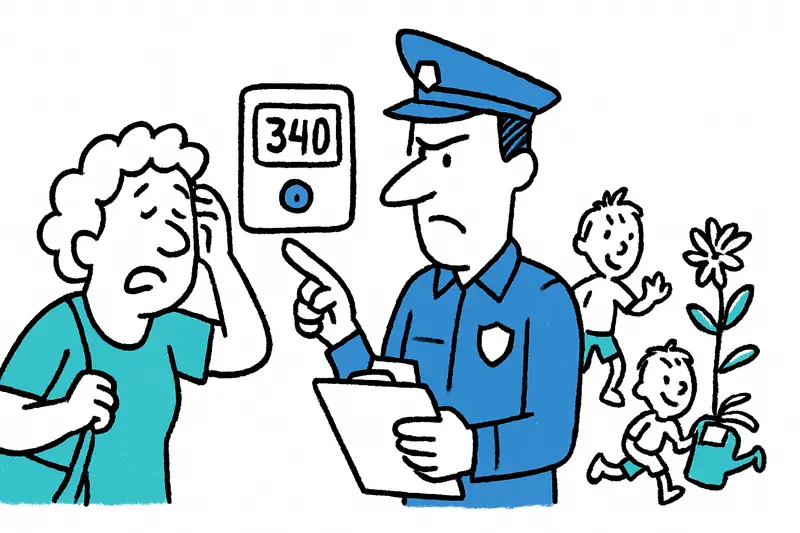
"340 liters enough?" — Esporles takes a hard line against water offenders
"340 liters enough?" — Esporles takes a hard line against water offenders
The municipality of Esporles has introduced a daily cap of 340 liters per household. Digital meters report values far above this; the local police are sending warnings. A reality check: who is responsible, what is missing from the debate, and which solutions would actually help on the ground?
"340 liters enough?" — Esporles takes a hard line against water offenders
Police warn households, digital meters show outliers up into four-digit liter ranges
Early in the morning on the Plaça d'Esporles: voices, a delivery van, the soft hum of air conditioners. Still, water is the number-one topic of conversation. The municipality has set a cap of 340 liters per household per day, and since the new digital meters have begun reporting data, warning notices have been arriving at households whose consumption significantly exceeds that limit.
The facts as they stand: the municipal water utility has taken readings and the digital devices transmit automatic values. In individual cases the recorded amounts were well above the permitted limit; in two households in the Ses Rotgetes housing estate, a daily average of several thousand liters was registered over a 15-day period, and readings in the range of a few thousand liters up to over 8,000 liters per day were even documented. The local police then sent warnings — with the message: reduce your use or face consequences.
Key question: Is pure policing the right tool to secure scarce drinking water resources — or does the measure overlook fundamental problems?
Critical analysis: enforcement is only part of the answer. High consumption figures can have many causes: leaky pipes, defective appliances, water used for pools and irrigation, incorrect connections to meter lines, or genuinely wasteful behavior. Digital meters provide a lot of data, but they do not yet clearly indicate the cause (see hoteliers in Sóller calling for digital meters and stricter controls). Without systematic follow-up inspections on site, without a clear distinction between a burst pipe and prolonged garden watering, the punitive pressure on residents often remains undifferentiated.
What is missing from the public debate: transparency and support. So far the focus has been largely on limits and sanctions, as when seven municipalities tightened water rules in Mallorca, and too little on diagnosis, prevention and social aspects. Who pays to repair a leaking pipe? Who checks whether the meter was installed correctly and not tampered with? What exemptions exist for large families, hosts of holiday rentals or people temporarily accommodating guests? These questions are hardly debated publicly.
An everyday scene from Esporles: on the Carrer Major a woman sits in front of the small grocery shop fanning herself. Children play while a watering can stands next to an oleander — gardening is part of daily life here. When the tap suddenly becomes scarce, it affects not only "water offenders" but also grandmothers, gardeners and small agricultural businesses.
Concrete solutions that could work locally: first, immediately available diagnostic teams that carry out home visits after an alarm to rule out leaks or meter errors. Second, a tiered tariff system: frugal households pay less, extremely high consumption becomes significantly more expensive — this is preventive and fairer socially than blanket fines. Third, expanded leak detection in the public network and subsidy programs for private pipe or meter replacement. Fourth, clear rules for holiday rentals: transparent consumption accounting and obligations for landlords to prevent shortages. Fifth, communication: a local hotline, notices in central places and simple info boards showing what 340 liters per day look like in practice (showers, cooking, garden work).
A look at the surrounding area shows further problem areas: in Pollença a defective pressure main from the desalination plant led to interruptions and pressure losses in areas such as the harbor and the industrial zone (see Water alarm in Mallorca: Seven municipalities turn off the tap — is saving alone enough?). This makes clear that beyond households, network infrastructure and external suppliers like desalination lines must also be regularly maintained and repaired quickly.
Pragmatic priorities for Esporles could be: in the short term protect the most vulnerable consumers (the sick, those in need of care), in the medium term intensify leak detection, and in the long term invest in replacement capacity and recycling — for example greywater for irrigating public green spaces. In addition, a responsible information campaign helps: people change their behavior more readily if they understand it is about the common good, not arbitrary punishment.
Conclusion: digital measurement makes clear that there are extreme consumption cases. But data alone are no substitute for conversations, repairs and fair rules. Police and warning notices are one point in the system — necessary, but not sufficient. If Esporles truly wants to save water sustainably, it needs more diagnosis, transparent decisions and practical help for the people who live here every day.
Frequently asked questions
When is the best time to visit Mallorca for a beach vacation?
What should I pack for a trip to Mallorca?
Are there family-friendly beaches in Mallorca?
What outdoor activities should I consider in Mallorca?
How can I get around Mallorca without a car?
Which Mallorca towns or markets are worth exploring for food?
Is swimming safe in Mallorca’s sea?
What should I know about language and etiquette in Mallorca?
Similar News

Released with Conditions: The Plus Ultra Suspicion and a Mallorcan Finca as Residence
A Dutch entrepreneur, sought in connection with the Plus Ultra case, was extradited to Spain after his arrest in Germany...

Haute Nuit in Puerto Portals: Fashion, Art and Indulgence by the Water
On October 2 the Lobster Club in Puerto Portals will be transformed into a stage for curated fashion, art and culinary e...
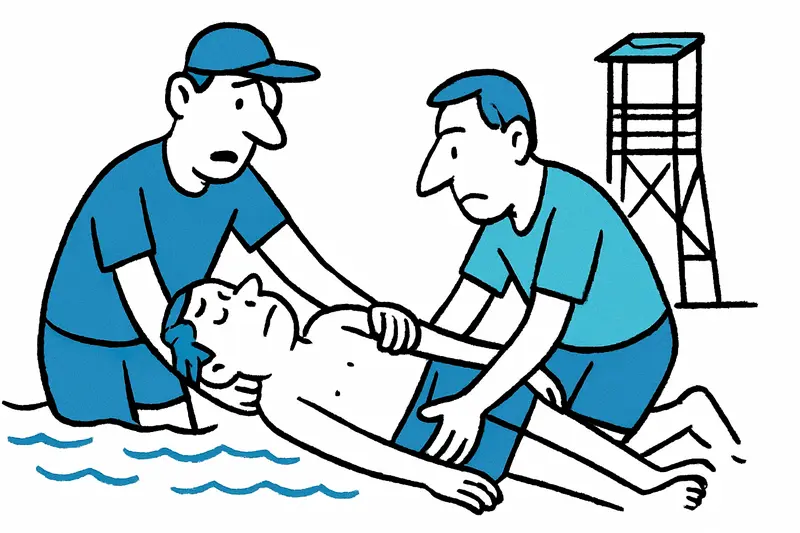
Magaluf: Watchtower Alarm – Lifeguards Pull Unconscious Beachgoer from the Water
After a drama in the late afternoon, two lifeguards at Magaluf beach rescued an unconscious 44-year-old man. He was stab...
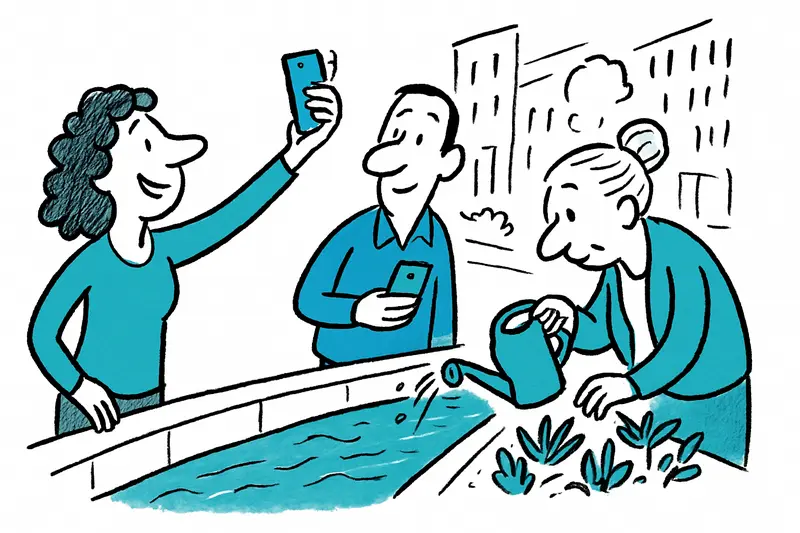
Turquoise in the City: How dangerous is the color play of the Sa Riera?
The Sa Riera in Palma suddenly turned turquoise — a pretty motif, but behind the effect lies a discharge of saline waste...

Jeckliner at Sunnesching: Cologne spirit sets sail from Palma
In September 2027 the Mein Schiff 2 briefly becomes a floating carnival stage: four days with Cologne bands, comedy and ...
More to explore
Discover more interesting content

Can Cap de Bou

Townhouse Lleo 72
