
Highway attack at Son Oms: Tracing a deliberately caused crash
Highway attack at Son Oms: Tracing a deliberately caused crash
On the MA-19 near Son Oms a traffic dispute escalated in April 2024: one driver allegedly deliberately slowed down another, rammed him again and forced risky evasive maneuvers. The public prosecutor demands two years in prison and a five-year driving ban.
Highway attack at Son Oms: Tracing a deliberately caused crash
Main question: Why are the measures taken so far insufficient to prevent road-rage excesses on Mallorca's fast roads?
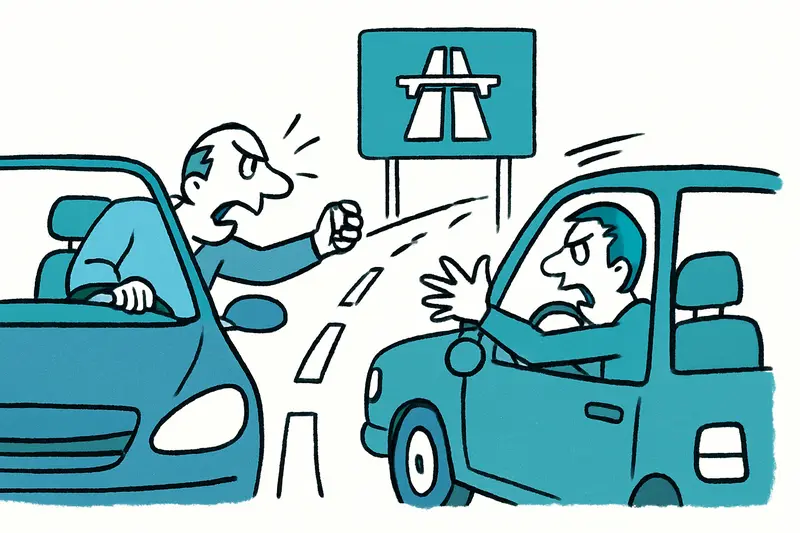
On the early evening of 19 April 2024 a series of maneuvers occurred on the MA-19, shortly after the Son Oms industrial area in the direction of Llucmajor, that caused alarm and bewilderment on the island. A British driver became involved in a dangerous confrontation with another vehicle which, according to Guardia Civil investigations, repeatedly braked intentionally and forced the victim onto the hard shoulder and acceleration lanes. Shortly afterwards the alleged perpetrator apparently reversed to ram the other car again. Both cameras of the road authority and a recording by the injured party documented the events and spread quickly on social networks. Similar concerns have been raised after incidents such as Head-on crash on MA-19 near Santanyí: Was it deliberate? Investigators probe possible motives.
The public prosecutor is seeking a prison sentence of two years and a five-year driving ban in its application. The complaint is based on the police file and the recorded images; the charge is deliberate endangerment in road traffic. The case will soon be heard before a criminal chamber at the district court on Vía Alemania in Palma. The registered owner of the vehicle is a car rental company; it did not assert claims for damages after the insurer settled the damage.
Critical analysis: The facts are unusually clear — visual material, witness statements, a report to the Guardia Civil. Nevertheless, legal sticking points remain: can the video material prove beyond doubt that the actor acted with intent? Is a series of aggressive maneuvers sufficient for the requested prison term, or will the court consider mitigating circumstances? In Spain, both the concrete danger posed and the consequences of any damage play a role in traffic offenses. The public prosecutor has proposed a sentence level, not issued a judgment. Similar evidentiary questions have arisen in cases such as the Dangerous braking maneuver on the Ma-20: When will authorities finally act effectively?.
What is missing from the public debate: the discussion focuses on the shocking video and the punishment. Little attention is paid to how such escalations arise: stress from traffic jams, language barriers among visitors, poor signage at slip roads, or gaps in communication between rental companies, insurers and authorities. In many heated incidents the question remains how quickly and reliably the chain of evidence from camera to court file works — and whether those affected are adequately informed and supported.
An everyday scene that makes the problem tangible: on a hot July evening you hear the constant hum of lorries and coaches on the MA-19, taxi drivers turn their air conditioning up full, and delivery vehicles pile up in industrial areas like Son Oms. Between flashing taillights and the smell of hot asphalt, small lapses in attention are enough to spark stress; aggression can then creep into a driving style that had previously been inconspicuous. Pedestrians at the motorway entrance report how often they see acceleration lanes where drivers make frantic maneuvers instead of easing off.
Concrete solutions: First: more Guardia Civil presence on critical sections during afternoon and evening hours, coupled with targeted checks at access points like Son Oms. Second: expand and better promote camera infrastructure so recordings can be evaluated faster and suspects identified quickly. Third: strengthen information obligations for car rental companies — transparent communication to renters about traffic rules, guidance on how to behave when provoked and reporting channels. Fourth: visible signage at merges and exits to reduce confusion on acceleration lanes. Fifth: multilingual prevention campaigns that explain typical conflict situations and list helplines.
A practical step that can have an immediate effect is a coordinated alarm chain: camera detection flags suspicious maneuvers automatically to the operations center, which can dispatch patrols quickly. In parallel, courts and public prosecutors should push for rapid digital transfer of files so that secured recordings do not get lost in stacks of paperwork. Rental companies could report repeat offenders to the authorities immediately — a backbone for prevention rather than mere claims handling. Past problems with evidence and follow-up are illustrated by incidents like the Series of Accidents on the MA-1 near Palmanova: Hit-and-Run, Alcohol and Unanswered Questions.
Concise conclusion: The video from Son Oms is more than a viral shock clip. It shows how thin the line is between everyday frustration and life-threatening behavior on Mallorca's roads. A two-year prison demand and a long driving ban are reactions to a dangerous pattern. But real safety is not created at the courtroom alone. To prevent people from becoming victims of road rage on the MA-19 in the future, multiple levers must be pulled: more enforcement, better information, clear responsibility from rental companies and faster evidence processing. Only then will the island remain a place where, after a hot day at work, you can drive calmly along the MA-19 instead of worrying about the rear-view mirror.
Frequently asked questions
When is the best time to visit Mallorca for good weather and fewer crowds?
What should I pack for a trip to Mallorca?
Is it easy to get around Mallorca without a car?
What are great outdoor activities and beaches for a first visit to Mallorca?
Are there family-friendly activities and day trips in Mallorca?
What natural sights should I see in Mallorca?
Is Mallorca safe for solo travelers?
What should I know about Mallorca's weather and swimming conditions?
Similar News

Released with Conditions: The Plus Ultra Suspicion and a Mallorcan Finca as Residence
A Dutch entrepreneur, sought in connection with the Plus Ultra case, was extradited to Spain after his arrest in Germany...

Haute Nuit in Puerto Portals: Fashion, Art and Indulgence by the Water
On October 2 the Lobster Club in Puerto Portals will be transformed into a stage for curated fashion, art and culinary e...

Magaluf: Watchtower Alarm – Lifeguards Pull Unconscious Beachgoer from the Water
After a drama in the late afternoon, two lifeguards at Magaluf beach rescued an unconscious 44-year-old man. He was stab...

Turquoise in the City: How dangerous is the color play of the Sa Riera?
The Sa Riera in Palma suddenly turned turquoise — a pretty motif, but behind the effect lies a discharge of saline waste...

Jeckliner at Sunnesching: Cologne spirit sets sail from Palma
In September 2027 the Mein Schiff 2 briefly becomes a floating carnival stage: four days with Cologne bands, comedy and ...
More to explore
Discover more interesting content

Can Cap de Bou

Townhouse Lleo 72
