
Neglect at Balneario 12: Who Is Taking Care of the Playa de Palma?
Neglect at Balneario 12: Who Is Taking Care of the Playa de Palma?
Uprooted tree, broken showers, sand and cigarette butts: Residents complain that Balneario 12 at Playa de Palma has been neglected for weeks. An assessment with demands and practical solutions.
Neglect at Balneario 12: Who Is Taking Care of the Playa de Palma?
Key question: Why has such a central section of the Playa de Palma been left derelict for months, even though locals and visitors pass by it daily?
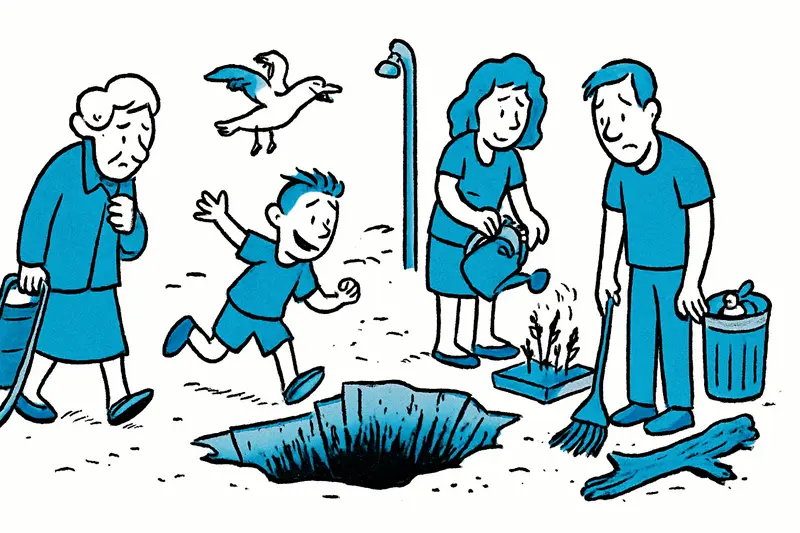
In the late morning, when the sun already presses heavily on the Passeig Marítim and the first families stroll toward the shore with towels, the sight is immediately noticeable: next to the public showers at Balneario 12 there is an open hole, a uprooted pine has been lying at the edge for weeks, and the green beds beside the promenade look more fallow than cared for. Sand lies on the promenade, cigarette butts collect near the trash bins. The image does not match the place many guests consider a calling card of Mallorca.
Residents' complaints are clear: for about three months they have observed damage and a lack of cleaning. The photos shown to us document the hole near the shower, exposed pipes and the fallen tree. These clues are enough to consider two levels: the immediate risks for passersby and the long-term consequences for the island's appearance, as documented in Parc de la Mar neglected: Who will save Palma's living room at the foot of the cathedral?.
Critical analysis
First: it's a matter of safety. A hole at a heavily frequented shower area is an accident risk, especially for children or people in swimwear, as tragedies like Playa de Palma: Death at Balneario 2 – How good is Mallorca's help for people in need? illustrate. Second: hygiene and cleanliness are not just comfort issues. Sand, cigarette butts and neglected beds increase the impression of dereliction and quickly attract further neglect.
Third: responsibilities are often diffuse. Promenades, balnearios, green areas and technical installations can fall under different authorities — municipality, port authority, private concessionaires. That defects remain for weeks shows a gap in coordination between inspection, financing and execution.
What is missing in the public debate
The debate stays too much at the level of outrage about the sight. What is missing is the question of processes: who monitors repair schedules? What maintenance contracts exist for seasonal areas? How are emergency mechanisms anchored so that hazard zones are secured immediately? And: how are funds released when repairs are urgent? These organizational details are usually missing — yet they are crucial to prevent recurrence, as exemplified by coverage of the area's ongoing smell and waste problems in Foul-Smelling Promenade, Empty Promises: Hoteliers in S'Arenal Put Pressure on Llucmajor.
In addition, prevention is discussed too rarely. Uprootings after storms, the drought of recent years that has weakened green areas, or the pressure from intensified seasonal use are factors that must be taken into account in planning.
Everyday scene
Imagine: an older woman with a shopping trolley pulls her jacket tighter against the wind, a schoolchild chases a seagull, the neighbor waters wilting plants in one of the beds with effort, while a worker with a broom tries to sweep the fine sand off the pavement. A tourist lingers at the sight of the fallen pine and sighs — not because of the heat, but because of the untidy impression. Such small observations on a summer morning say more than a complaint email.
Concrete solutions
1. Immediate measure: secure the hazard area, cover the hole provisionally, remove the tree trunk. This must not wait for weeks.
2. Short term (1-2 weeks): technical inspection of the shower system, prioritize repairs, schedule additional cleaning shifts. Mobilizing seasonal staff is possible and practical.
3. Medium term (months): clarify responsibilities. A transparent damage processing protocol for sections of the promenade, visible on the municipality's website, creates accountability; residents have even proposed a 36-point plan for Playa de Palma that speaks directly to these issues.
4. Prevention: better tree maintenance programs, heat- and drought-adapted planting, regular inspections before and during the tourist season.
5. Community involvement: a QR code on site that residents and visitors can use to report defects, combined with visible response times, increases pressure and trust.
6. Sanctions and incentives: those who maintain their areas should receive recognition; in case of neglect, contractual penalties in concessions must apply.
Conclusion
Balneario 12 is not an isolated case but a symptom: if at such an exposed location a hole next to a shower gapes for months and an uprooted tree remains lying, something is wrong in the system. What is needed is less outrage and more clear procedures — quick securing, defined responsibilities and public transparency. The island depends on a good impression, and that pays off in the long run. If we do not fix this now, resident dissatisfaction will grow and the image will suffer — not even the most beautiful stretch of beach will change that.
Frequently asked questions
What happened at Balneario 12 on Playa de Palma and why is it worrying?
Who is responsible for maintenance along Mallorca's seafronts like Playa de Palma?
How can residents and visitors report hazards on Mallorca’s seafronts and what response times should they expect?
What short-term actions can improve safety and cleanliness at busy beach promenades in Mallorca?
What long-term planning factors affect upkeep of Mallorca’s green spaces and promenades?
How can transparency and accountability be improved in maintaining Mallorca’s tourist areas?
Why is a fast, coordinated response important for Mallorca’s public spaces?
How do climate and seasonal demand shape maintenance planning for Mallorca’s beaches?
Similar News
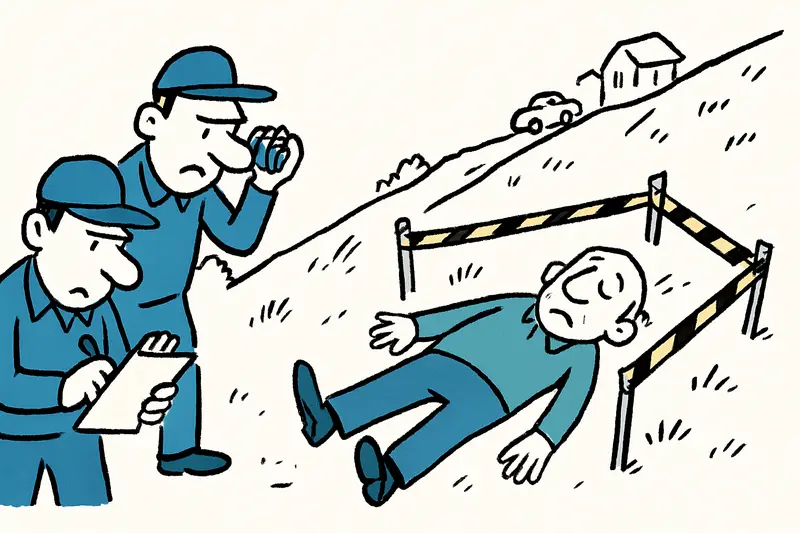
No Identification Documents on the Steep Slope: Body near Tolleric Raises Questions
The body of an elderly man was found over the weekend in a wooded area near the cliffs of Tolleric. He had no identifica...
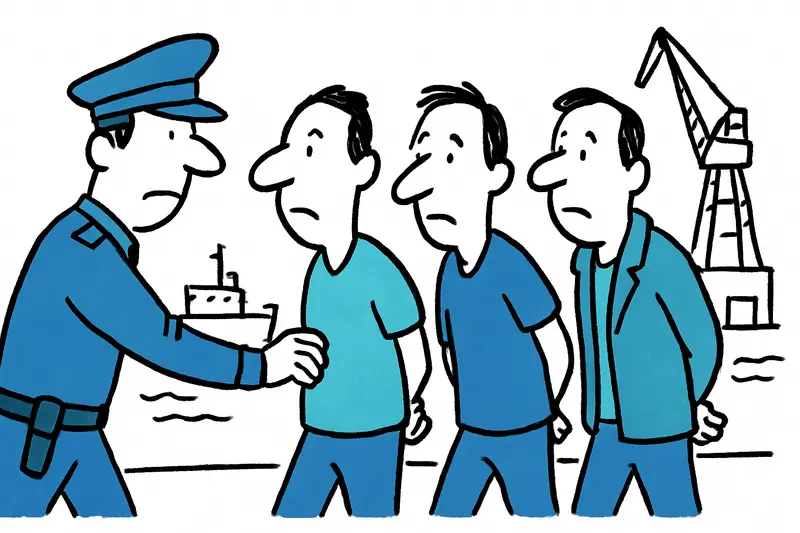
Arrest at the Port: Three Suspected Pickpockets Left Mallorca After Series of Thefts
The National Police stopped three men at Palma harbour who are accused of several thefts at the airport. How could the g...

Palma's Rental Bike Boom: More Bikes, More People, More City Life
Since Bicipalma was opened to non-residents, the system has noticeably grown. Students, residents and tourists bring lif...

Palma–Lyon in Winter: Two Weekly Flights Bring Fresh Momentum
From October Transavia France will connect Palma and Lyon in winter as well: Wednesdays and Saturdays, around 17,000 sea...
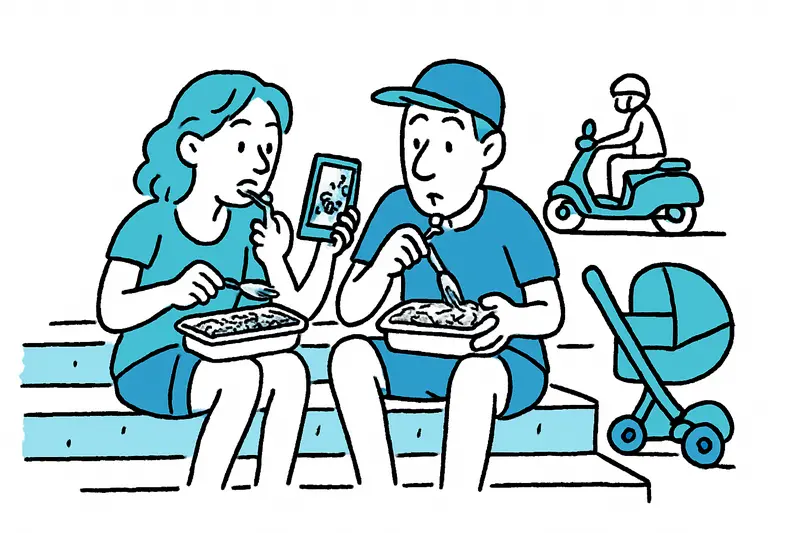
Budget holidays in Mallorca: What thriftier tourists really mean
Visitors are spending less: shorter stays, fewer restaurant visits, fewer excursions. A reality check for Mallorca's eco...
More to explore
Discover more interesting content

Boat Tour with BBQ along Es Trenc Beach

Private transfer from Mallorca Airport (PMI) to Pollensa
