
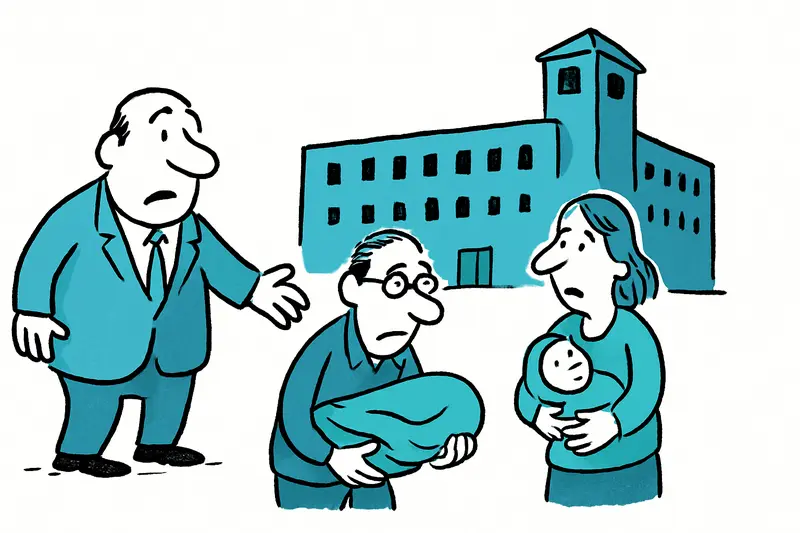
Eviction of the old prison complex in Palma: Who will care for the around 80 people?
Eviction of the old prison complex in Palma: Who will care for the around 80 people?
A court has approved the eviction of the old prison complex in Palma. Around 80 people currently live there. Key question: How will they be properly housed and cared for?
Eviction of the old prison complex in Palma: Who will care for the around 80 people?
Key question: How will the residents be housed humanely and in accordance with the law?
A court order is in place, as reported in Son Banya before the eviction: Court confirms Palma as owner — and now?, the Palma town hall has requested the eviction, and according to city figures nearly 80 people live in the building. Tomorrow representatives of the Ajuntament and the delegation of the Spanish government will meet to discuss the next steps. Those are the hard facts — the rest is practice, organization and a bit of politics.
What is often neglected in the public debate is the question of the everyday lives of those affected. In the narrow corridors of an old prison there are no "anonymous numbers", but people with names, with luggage, with wounds and hopes. Early in the morning in Palma on the way to the Plaça d'Espanya you hear coffee machines, delivery vans and the clatter of garbage bins. The mood there is pragmatic: for many it is about finding a reliable solution as quickly as possible before the announcement "eviction" becomes an unstable reality.
Critically considered, three levels are under discussion: legality, social protection and logistical implementation. Legally the decision appears to be covered — court order, application by the city. Socially, however, remains the question of how people without secure housing will not be pushed into homelessness. Logistically it is about places in emergency shelters, transport, accompaniment by social workers and the secure safekeeping of personal documents.
In public discourse people often talk only about buildings and procedures. What is missing is a clear plan for the care phase before and after, transparent criteria for priorities (who needs immediate medical care, who has minors, who is particularly vulnerable) and clarity about responsibilities. Who covers the costs for overnight stays, initial medical care, psychological help? Who secures employment prospects or reintegration into a housing environment?
There are established steps that should be implemented immediately: first-contact teams made up of social workers, legal aid and health professionals who are available in the days before the eviction; a comprehensive survey of residents (with consent); short-term accommodation in facilities that take gender-specific and family needs into account; and a timetable that covers not only days but weeks. An independent ombuds office that receives complaints and documents violations of standards is also important.
Concrete measures Palma must now consider: 1) activate immediate contingents in municipal emergency shelters and in cooperation with non-profit organizations; 2) provide rent subsidies or transitional housing for families and employed people; 3) set up a team for document management so that no one is denied benefits because of lost papers; 4) organize on-site initial medical and psychological care; 5) provide legal advice for all residents before and during the eviction.
On the street you sometimes hear the snort of the bus toward Porto Pi, you see passersby who briefly look up and move on. This indifference must not become policy. If the administration retreats to "court-ordered", it shifts responsibility but does not solve a social problem. An eviction without honest and quickly implementable alternatives is in the end simply displacement.
Another topic that is rarely raised loudly enough: perspective. What will happen to the building after the eviction? Conversion into social housing, examined and with the participation of civil society, would be an option; see Palma builds 82 apartments — a drop in the bucket, many questions. Equally important is that municipal and state authorities jointly clarify financial resources and responsibilities — nothing is worse than bureaucratic ping-pong while people lose their accommodation.
For the coming days I expect three things: clear rules of responsibility on paper, visibly active social teams on the street and transparent communication to residents and the public. Without these three points, the measure risks turning a humane challenge into a humanitarian weakness.
Conclusion: The eviction has been decided, the clock is ticking. It is now up to politics and administration to pair the legal act with social responsibility. Whoever drives along the Avinguda Benito Rabal in Palma in the morning sees not just a city, but people who need a reliable hand — not a quick solution that will be forgotten after a few weeks.
Frequently asked questions
What happens to the people living in the old prison complex in Palma if it is evicted?
Why is the old prison complex in Palma being evicted?
How will Palma make sure the eviction is humane?
What kind of support do people need before leaving the old prison in Palma?
Who is responsible for helping residents during the Palma prison eviction?
What happens after the old prison complex in Palma is emptied?
What should residents in Palma do if they lose their documents during the eviction process?
Is there a risk of homelessness after the old prison eviction in Palma?
Similar News
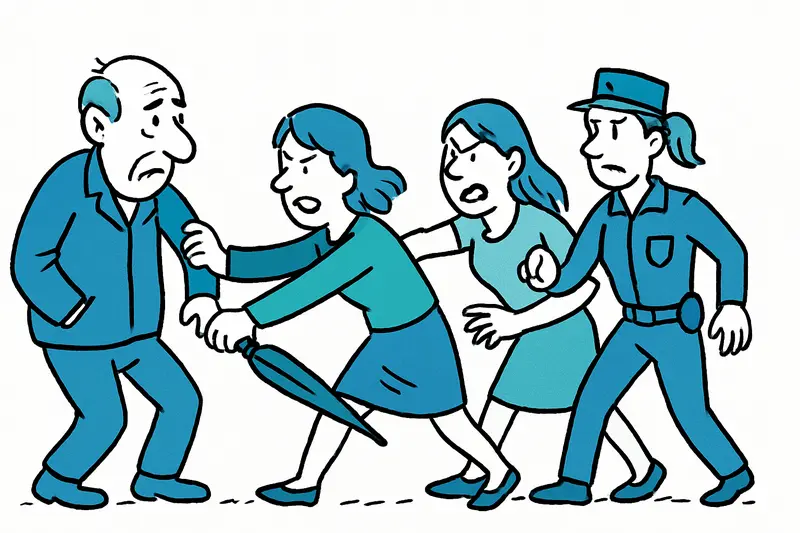
When the Wallet Becomes a Danger: Attack in Peguera and Lessons for Mallorca
In Peguera, two women are said to have stolen the wallet from a 75-year-old German couple. When the victim intervened, t...
Plata stays Plata: Young people take over, Llonguets remain
A small bar on Carrer de l'Argenteria will continue: Tolo Serra hands the place over to young Mallorcans at the end of t...
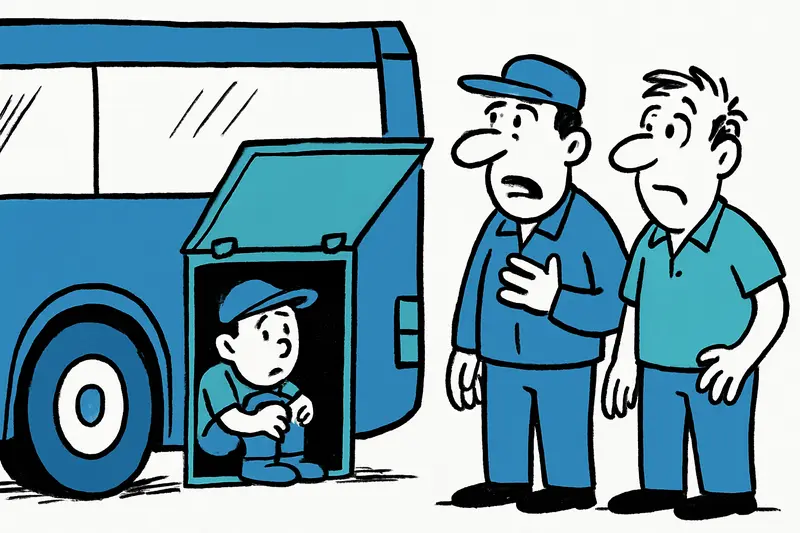
Unnoticed in the Luggage Compartment: How a Boy Traveled More Than 100 Kilometers in a Team Bus
A minor traveled in the undercarriage of a team bus for more than 100 kilometers until his cries for help were heard. A ...

Cap Vermell Grand: Second Michelin Key – a Gift for the East
The Cap Vermell Grand in Capdepera has been awarded its second Michelin key. For the region this elevates the luxury off...

Eurowings lets four aircraft carry names – a friendly idea that also reaches Mallorca
Eurowings is launching a campaign: four Airbus A320s are to carry the first names of people who help others in everyday ...
More to explore
Discover more interesting content

Can Cap de Bou

Townhouse Lleo 72
