
Fatal Accident on the Airport Highway: What's Going Wrong at the Coll d'en Rabassa Roundabout
Fatal Accident on the Airport Highway: What's Going Wrong at the Coll d'en Rabassa Roundabout
A motorcyclist died in a fall at the overpass roundabout near Coll d'en Rabassa. Key question: Does the design of the crash site cause such tragedies?
Fatal Accident on the Airport Highway: What's Going Wrong at the Coll d'en Rabassa Roundabout
Key question: Why did an apparently routine exit end in a fatal fall — and what is missing from the public debate?
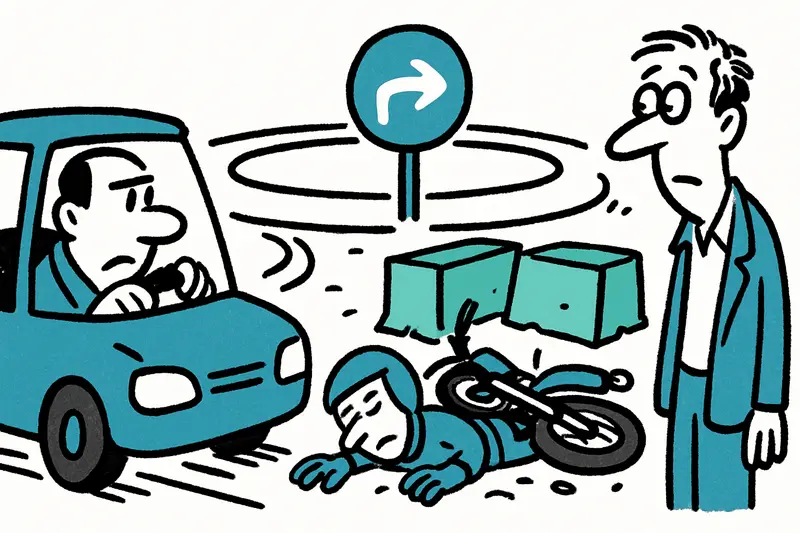
In the early morning, around 7 a.m., routine on the airport highway near Coll d'en Rabassa was abruptly broken: a motorcyclist apparently tried to exit the large overpass roundabout toward Palma, collided with a car, lost control and crashed into concrete blocks. Paramedics from SAMU 061 pronounced him dead, and the Guardia Civil took over the investigation. The facts are short, the consequences long.
Critical analysis: At first glance it sounds like a classic traffic conflict between a two-wheeler and a car. But the accident description raises several technical and planning questions. Why are concrete blocks placed so close to the exit instead of protective barriers or a sufficiently sloping run-off area? How is the lane layout in the roundabout: clear lane markings or a patchwork that is interpreted differently by car and scooter drivers? And not least: what role does speed play on this stretch, used in the mornings by commuters, taxis and travelers heading to the airport?
What's missing from the public debate: statistics on motorcycle accidents are often only mentioned when a headline appears, such as Fatal accident in Alcúdia: Who is responsible — and what needs to change?. Far too rarely is there discussion about how urban design and traffic infrastructure are specifically adjusted to the safety of motorbike and scooter riders. There is a lack of honest debate about visibility, overtaking behavior in roundabouts and the often underestimated danger posed by rigid obstacles. And: there are hardly any voices addressing structural shortcomings in the airport feeder system, especially on the MA-19 and its junctions, as noted in Wrong-way driving at Coll d'en Rabassa: Near crash raises safety concerns on the airport highway.
Everyday scene on Mallorca: on a morning like this you can already see the first workers with thermoses in front of the bar by the exit, hear the hum of scooters and the dull thud of luggage carriers heading for the terminal. The sun rises over the sea, fishing boats rock in the harbor, and the road fills with those in a hurry — a mixture of calm and rush that spills onto the asphalt. It is precisely in this tension that accidents happen, because the infrastructure is hardly adapted to such heterogeneous traffic flows.
Concrete solutions: First, a technical retrofit of the accident site. Instead of low concrete blocks, energy-absorbing guardrails or continuous protective barriers should be installed to prevent falls from greater heights. Second, clear, large-scale road markings and reflectors that make lane courses more visible, especially to two-wheel riders. Third, structural measures that slow the exit — for example narrowed lanes, paved zones or 30 km/h areas at sensitive junctions. Fourth, increased enforcement and time-adjusted speed monitoring, complemented by targeted educational campaigns for car and motorcycle drivers on how to behave in roundabouts.
Further steps at the political level: an audit of accident hot spots along the MA-19 airport feeder, publicly accessible accident analyses, for example after the Pile-up at Es Molinar: Small mistake, big traffic jams — and what needs to be done, and a prioritization of measures that protect motorcyclists. Municipalities, the island government and the DGT must share data and jointly develop standards for overpasses and exits. The costs of safer barriers are small compared to the human and social consequences of fatal accidents.
A pragmatic proposal for next week: the traffic authority could temporarily install a visible barrier that reduces the risk of falling while a technical assessment plans the final solution. At the same time, local traffic police should show a morning presence at critical points and raise drivers' awareness of risky lane-change behavior.
Concise conclusion: This accident is not an act of fate but a miniature system failure. Similar concentrated incidents were reported in Three serious accidents in one night: What's wrong with Mallorca's country roads?. The road may seem impersonal, but it can be designed. If scooters and cars share the same narrow asphalt on Mallorca mornings, more is needed than shock after a headline: an honest debate about the design of our junctions, better barriers and more mutual consideration in traffic. Otherwise such tragedies will not remain the exception.
Frequently asked questions
What is the weather like in Mallorca in the off-season?
Can you still swim in Mallorca outside the main summer months?
What should I pack for Mallorca in the shoulder season?
Is Mallorca a good place to visit outside the peak tourist season?
What is the weather usually like in Palma de Mallorca in autumn?
What can you do in Mallorca when the weather is cooler?
Is Soller worth visiting in the quieter months in Mallorca?
Are Mallorca’s beaches still enjoyable outside summer?
Similar News
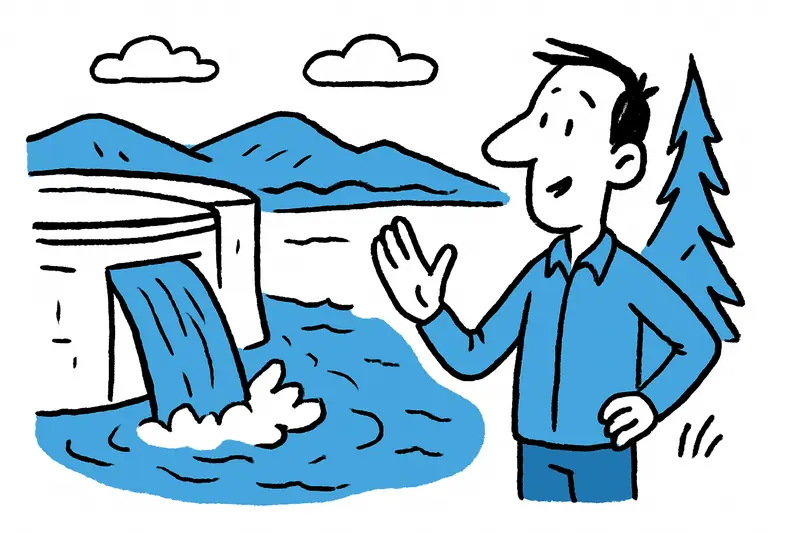
More water than last year: Mallorca's reservoirs breathe easier
September rain refilled the Tramuntana's reserves: overall fill around 35 percent, Cúber at 40.42 percent, Gorg Blau at ...
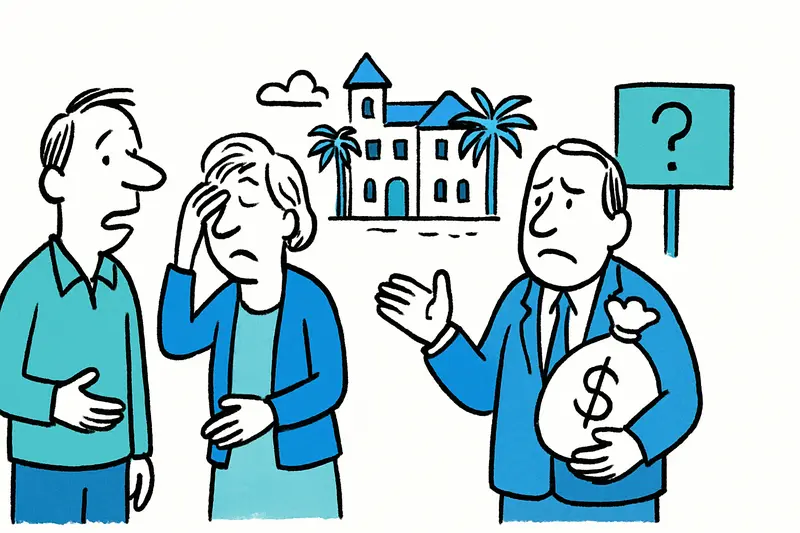
Three Luxury Hotels in Banyalbufar: Lots of Money, Many Questions
A Danish investor plans three exclusive accommodations in Banyalbufar — including the historic Son Valentí. The announce...
2.1 tonnes of cocaine on sailing yacht off Spain's coast – a reality check for the coastguard
A 14-metre yacht was seized with 2.1 tonnes of cocaine. Who monitors the ports, how does the international hunt succeed ...

Heat Bonus in Mallorca: 100 Euros Extra for Outdoor Staff at MarSenses
MarSenses pays employees who worked outdoors in August an extra €100 as recognition. Lighter uniforms, reduced hours for...
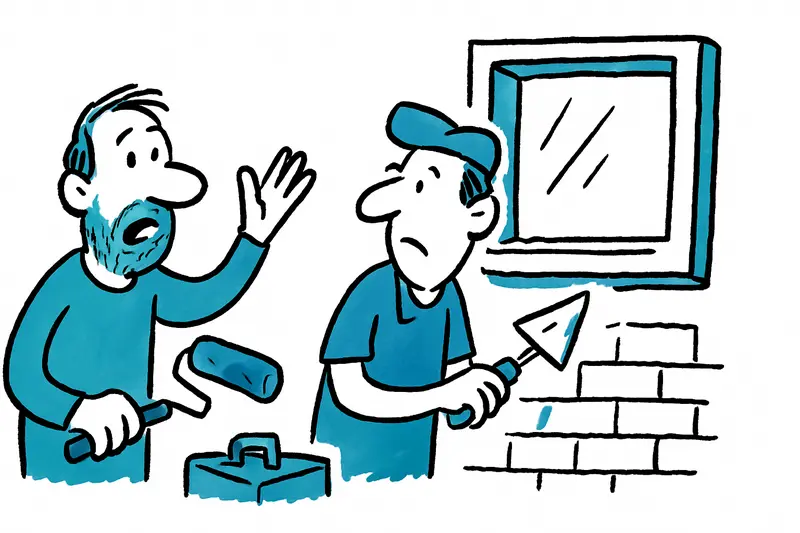
Renovating in Mallorca: What You Really Can Do Without Neighbour Consent
Many think they can do whatever they want in their apartment. That's partly true — but only as long as structural elemen...
More to explore
Discover more interesting content

Can Cap de Bou

Townhouse Lleo 72
