
Festival of Solidarity — Why help on Mallorca's streets shouldn't just be a Christmas affair
Festival of Solidarity — Why help on Mallorca's streets shouldn't just be a Christmas affair
Volunteers distribute blankets and food in Palma; volunteers report deaths caused by cold. A reality check: What is missing in everyday care, what must politicians do — and what can neighbors change immediately?
Festival of Solidarity — Why help on Mallorca's streets shouldn't just be a Christmas affair
Guiding question: Is private volunteer effort enough, or does Mallorca need permanent, clear structures against cold and homelessness?
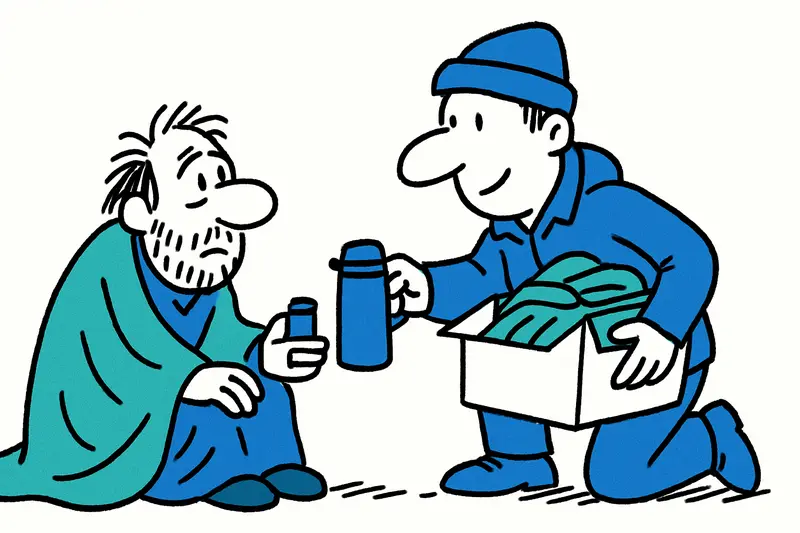
On the first Christmas morning in Palma, when the garbage trucks still roll through the narrow alleys and the air is filled with the scent of fresh coffee and roasted chestnuts, volunteers stood in the old town with boxes full of blankets and thermal jackets. Jordi was one of them: not a professional social worker, but a Mallorcan who brought blankets with his family and wanted to show the children what solidarity means. Scenes like these move people — and distract from an uncomfortable question: Why are people here in 2025 exposed to the extent that volunteers have to search for them at night, as more than 800 people now sleep on Mallorca's streets reports?
The answer is not only emotional; it has a practical side. Rubén Díaz, who works for the initiative Alma, reports that he has found people on the streets who later died from the effects of extreme temperatures — including two older people and a young man who died in 2021 after a night in front of an ATM. These cases show: Mallorca is not a safe place for everyone, and the cold is not only a seasonal problem, and reports show the number of people sleeping outdoors in Palma despite having jobs or receiving benefits is rising.
Critical analysis: The aid structures are fragmented. Volunteers fill gaps that should actually be municipal or regional responsibilities; this is exemplified by coverage noting more people are sleeping in the middle of Palma – craftsmen, service workers, fathers. There are warming buses and emergency shelters, but their capacities fluctuate, opening hours are limited, and responsibilities between municipalities, social services and NGOs are often unclear. Result: people who are hard to reach for health or psychological reasons fall through the cracks.
What is missing from the public debate are precise figures and transparent reports. How many beds are really missing in Palma? When are mobile teams out and about? Who takes medical responsibility when people living on the street become acutely ill? Without these data, the debate remains moral but not actionable. At the same time, public perception is often dominated by two extremes: romanticized aid actions at holidays or criminalizing rhetoric against begging and encampments.
Another blind spot: the interface with housing policy. Homelessness rarely arises in isolation; rent increases, temporary employment contracts, mental illness, divorce or bureaucratic obstacles to accessing social benefits all interact. When encampments form in neighborhoods between luxury apartments and cheap holiday flats, it's not just an individual fate but also a reflection of local market mechanisms.
Everyday scene from Mallorca: At dawn on the Passeig des Born you hear the clatter of delivery vans; an older man sits under a blanket near a closed kebab shop. He waves when volunteers pass by with a thermos of hot tea. Small gestures help immediately, and demand is reflected in reports about growing food queues in Palma. But when nighttime temperatures fall well below ten degrees again and health care stalls, tissues and soup kitchens are not enough, and advice on hypothermia is available from the NHS guidance on hypothermia.
Concrete solutions that could take effect immediately here:
- Expansion of warming centers: More municipal warming centers with continuous night care during the colder months; flexible opening hours so that people with irregular daily routines can be reached.
- Mobile health teams: Doctors and nursing teams cooperating with social workers for night patrols; simple documentation processes to identify at-risk individuals and enable follow-up.
- Coordination instead of parallel structures: A central platform that connects NGOs, community centers and volunteer groups — with real-time status on sleeping places, supplies and medical emergencies.
- Short-term local accommodation solutions: Contracts with small hotels or vacant apartments during winter months, combined with social support, instead of pushing people into public emergency shelters.
- Preventive measures: Better access to benefits, fewer bureaucratic hurdles for aid applications, and a focus on mental health and addiction prevention as part of every assistance plan.
Implementation requires money, clearly regulated responsibilities and political will. That means not only one-off budget items for the season, but structured annual planning. Volunteers like Jordi and teams like Alma are indispensable — but it cannot be the task of civil society alone to protect people from the cold.
What citizens can do immediately: organize neighborhood networks, use public reporting channels for people suffering from hypothermia, encourage local schools and companies to make regular material donations, and ask the municipality what services are available. Small initiatives are often the bridge to professional help.
Punchy conclusion: The warmth volunteers bring at Christmas is sincere and necessary — but it must not remain the only strategy. If Mallorca wants no one to freeze on the street, it needs systemic work: reliable contact points, medical night interventions, coordinated data and affordable housing. As long as this does not happen, local solidarity remains valuable but symptomatic — a reaction to a problem that could be solved politically.
Frequently asked questions
Why do volunteers in Mallorca help people sleeping on the street in winter?
Is homelessness in Mallorca only a winter problem?
What happens to people sleeping outside in Palma when temperatures drop?
What kind of help is available for homeless people in Mallorca?
Why do some people in Palma end up sleeping on the street even if they have a job?
What can residents in Mallorca do to help people exposed to the cold?
Why is better coordination needed between charities and the authorities in Mallorca?
What long-term solutions could reduce homelessness in Mallorca?
Similar News
Injured captain, big plans: Germania Mallorca before the away match in Consell
The newly founded FC Germania Mallorca travels to Consell on Saturday. Captain Bastian Müller is out injured, but coach ...
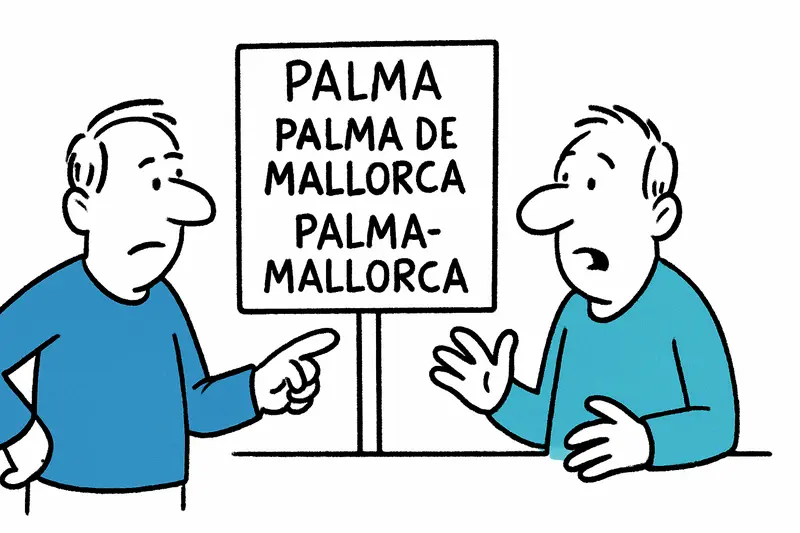
Palma, Palma de Mallorca, Palma‑Mallorca: What is it really about?
The debate over the city's name is more than grammar: it concerns identity, law and branding policy. A sober reality che...
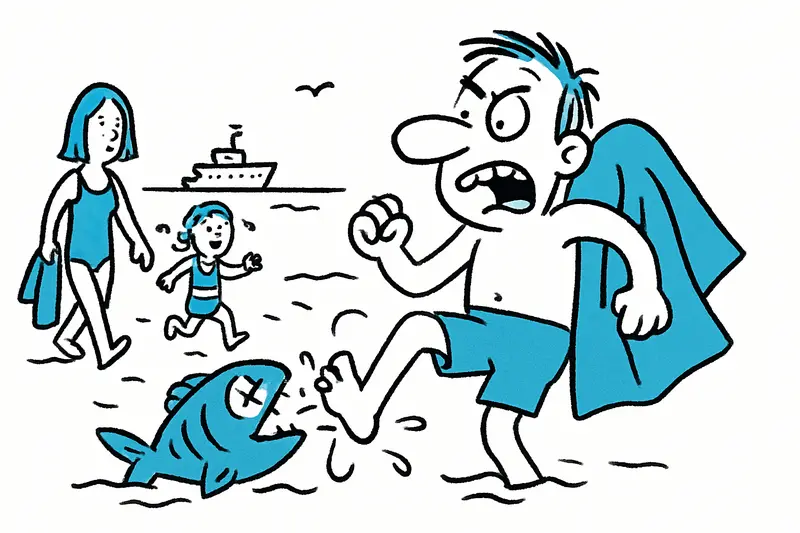
Warning to Bathers: Nipping Fish in Cala Major and Other Coves — a Reality Check
In Cala Major and several beaches around Mallorca, bathers report painful “nips”. Who are the animals, why are they gett...
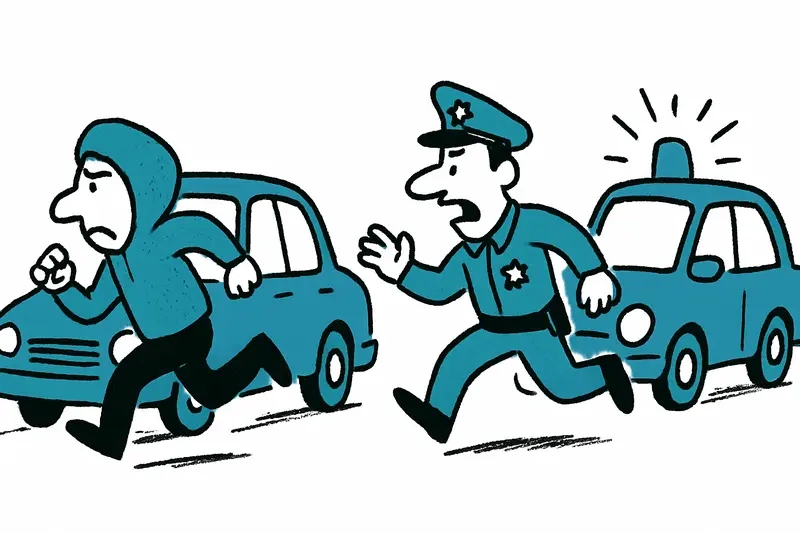
Rental Car Theft in El Arenal: What This Incident Reveals About Our Gaps
A teenager steals a running rental car in El Arenal, flees on foot, climbs over walls and is caught by the Guardia Civil...
Red Rope in Palma's Library: What Helps Against Selfie Tourism — and What's Missing
Palma's city library cordoned off an area with a red rope to keep selfie tourism away from reading and working activitie...
More to explore
Discover more interesting content

Can Cap de Bou

Townhouse Lleo 72
