
Fire in Can Picafort: Family Rescued at the Last Minute – a Safety Check for the Promenade
Fire in Can Picafort: Family Rescued at the Last Minute – a Safety Check for the Promenade
A fire in a sports shop on the Can Picafort seafront forced the evacuation of a mother with four children. How safe are apartments above commercial premises? A critical look.
Fire in Can Picafort: Family Rescued at the Last Minute – a Safety Check for the Promenade
Police Discover Smoke, Fire Service Battles for Hours – Questions Remain
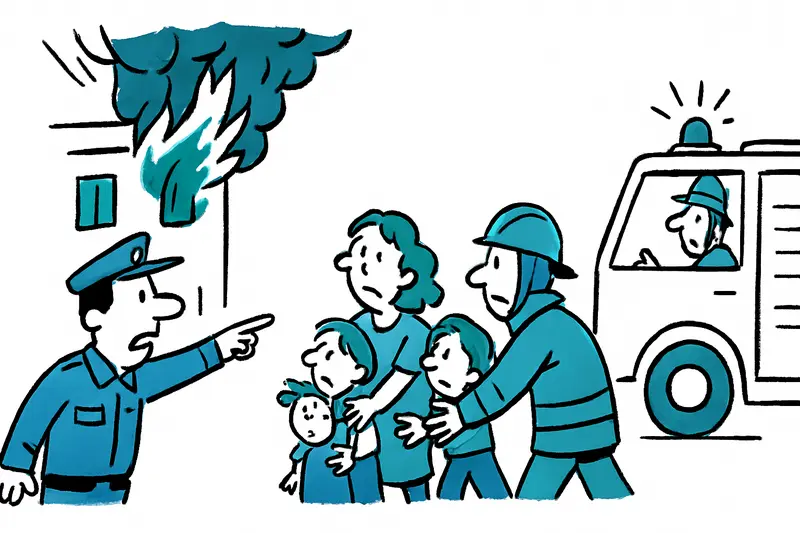
In the morning, while joggers ran along the promenade in Can Picafort and the cafes filled the air with the scent of freshly brewed coffee, a local police patrol noticed a plume of smoke. The smoke was coming from a sports shop on the ground floor of a building on the seafront; within a short time the thin column had turned into a dark cloud. Officers immediately alerted the fire service and, a few minutes later, emergency crews were on scene.
People in the building were lucky: staff from the shop were able to leave the premises. Thanks to tips from neighbors, the police obtained the address of an apartment above the shop where a mother and her four minor children were located. The head of the local police in Santa Margalida and a member of the Guardia Civil gained access, found the family and brought them outside. Meanwhile, the flames spread to the basement; firefighters from Alcúdia and Artà mobilized personnel, and about twenty people worked into the late afternoon to bring the fire under control. The operation lasted roughly seven hours.
Main question: How well protected are living spaces located above commercial premises? That is the question that immediately comes to mind after incidents like this. Mallorca has many buildings with businesses on the ground floor and apartments above—especially along promenades and in busy town centers, as in Fire in a four-story building near Porto Pi: five people suffered smoke inhalation, pets rescued. If a fire breaks out in a shop, smoke can quickly rise and obscure escape routes. A burning basement is an additional danger: it hampers firefighting efforts and can damage structural elements.
Critical analysis: The quick response by the police and the determined actions of individual rescuers likely prevented worse outcomes. Nevertheless, incidents like this reveal structural weaknesses. It is often unclear whether shop owners are sufficiently informed about fire safety, whether basements are fire-rated or simply used as storage for easily ignitable materials. Whether automatic smoke detectors or suppression systems are installed is rarely specified in public reporting—and that is exactly what's missing.
What's missing from public discussion: We talk a lot about tourism, parking and noise, but hardly about preventive safety in mixed-use buildings. There are hardly any visible checklists for owners, no simple overview for residents about the required condition of escape routes, as highlighted by Acute Danger in Cala Major: Six Shops Cordoned Off — Who Bears Responsibility? And: neighbors often know too little about the risks posed by basement storage. Information for tenants and shop operators on mandatory equipment, maintenance intervals for smoke detectors and safe storage practices would help.
An everyday scene that captures the feeling: On a hot August day locals stand in the shade of the palm trees, children play in the square, a dog barks, then the shout of a neighbor pointing out the smoke. Sirens approach, people peer from balconies. Scenes like these show how quickly routine can turn into alarm and how important neighborhood vigilance is.
Concrete solutions: First, a requirement to retrofit battery-operated or interconnected smoke detectors in apartments above commercial spaces and regular functionality tests. Second, clear rules for safe storage in basements: no open storage of combustible packaging, good ventilation and fire separation walls. Third, fire doors between the shop area and residential access that close automatically in case of fire. Fourth, training for shop staff on using portable fire extinguishers and on evacuation procedures. Fifth, better marking of escape routes and regular inspections by municipal authorities such as those in Santa Margalida.
Coordination between local police, the Guardia Civil and the fire service also deserves attention: the fact that officers were quickly on site in this case is positive; but in the long term fire brigades need sufficient personnel, technical equipment and a functioning hydrant network along the promenades. The coordinated firefighting efforts from Alcúdia and Artà demonstrate the strength of cooperation, as in Fire in Port d'Alcúdia: Why the big scare is also a wake-up call for fire safety—but routine checks of infrastructure remain necessary.
Conclusion: The rescue operation in Can Picafort proved that the commitment of individual people can save lives. The episode is also a warning sign. Fire protection in mixed-use buildings must not be a niche topic. With pragmatic, locally implementable measures—smoke detectors, fire doors, clear storage rules and training—such incidents could become less frequent. The question remains who will take the first step: the municipalities, the shop owners or the property owners. In practice it will take joint action by neighbors, authorities and fire services to make a seven-hour battle at the blaze unnecessary next time, as shown by large-scale evacuations such as Fire in hotel at Playa de Palmanova: Evacuation, no injuries — and unanswered questions.
Frequently asked questions
When is the best time to visit Mallorca for swimming and beach days?
What should I pack for a Mallorca trip to enjoy outdoor activities?
What is Mallorca’s weather like across the year?
How do I get around Mallorca without a car?
Which beaches in Mallorca are must-visit?
Is it safe to swim in Mallorca?
What outdoor activities are popular in Mallorca?
When is Mallorca busiest and how to plan ahead?
Similar News
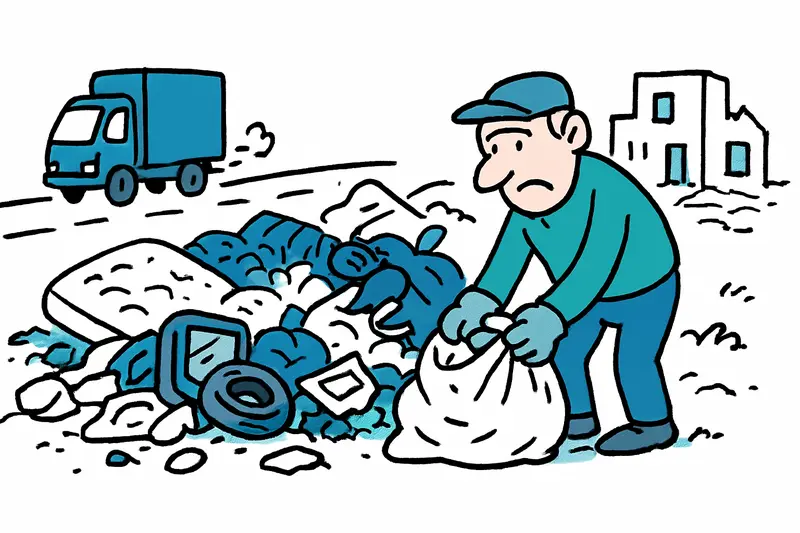
Who will clean up? Illegal rubbish heaps on the highway near Son Gual drive residents onto the streets
For months, construction debris and household waste have piled up along the highway between Palma and Manacor near Son G...

Amundi takes over Bikini Island & Mountain Port in Sóller – many questions remain open
The French asset manager Amundi has acquired the four-star Bikini Island & Mountain Port hotel in Sóller from an Austria...

Silvia was allowed to see the sea once more – a small farewell in Port de Soller
A team from the Balearic health service IB-Salut fulfilled a terminally ill woman's wish: one last trip to the water in ...
Magaluf: Imprisonment for Beach Club Employee after Theft of a Bag — What the Ruling Overlooks
A former dishwasher received a one-year prison sentence for stealing a Louis‑Vuitton bag. The appellate court upheld the...
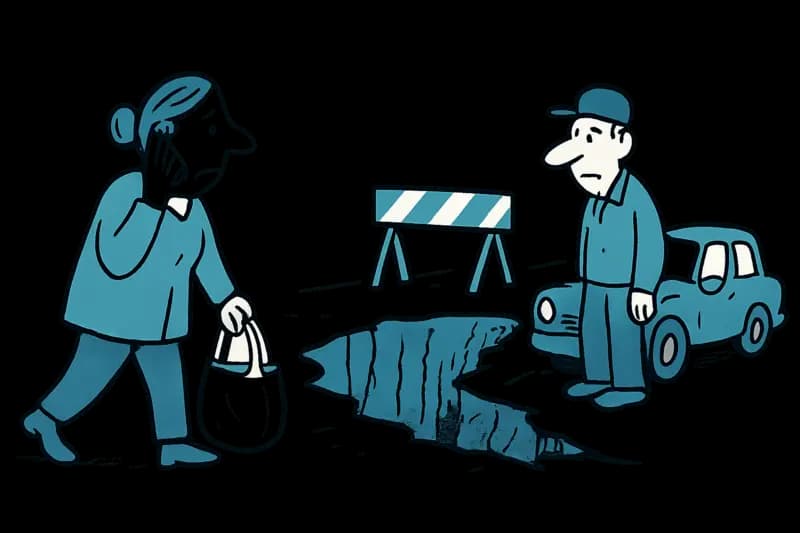
Road collapse at Port de Valldemossa: Who will pay for the next wave of damage?
A section of the MA-1131 near Port de Valldemossa slipped after heavy rains from cold front "Adam". Residents are strand...
More to explore
Discover more interesting content

Can Cap de Bou

Townhouse Lleo 72
