
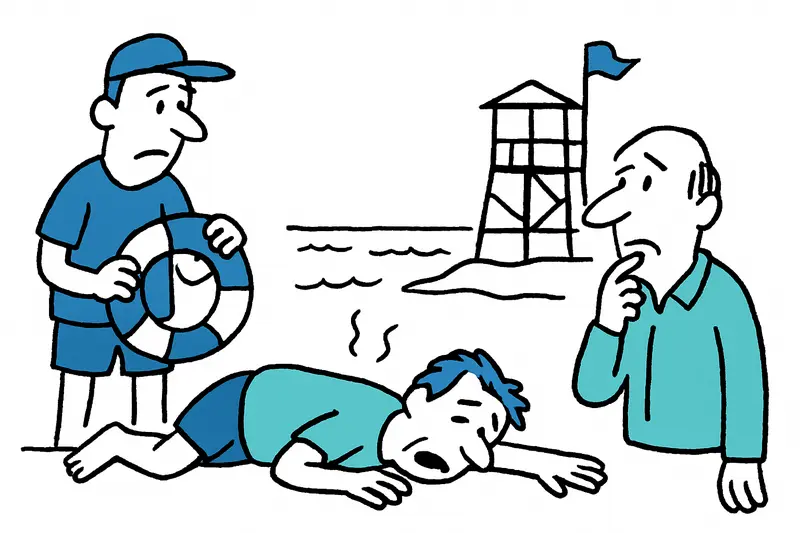
After the bathing accident off Formentera: Should the rescue network have acted faster?
After the bathing accident off Formentera: Should the rescue network have acted faster?
The widow of the 64-year-old swimmer levels serious accusations: delayed rescue, no flag on the tower and a 112 that was at times unreachable. A sober review of the procedures is necessary.
After the bathing accident off Formentera: Should the rescue network have acted faster?
Key question: Was it a tragic accident or a system failure?
On a sunny October day, on October 4 around 1:20 p.m., a familiar holiday ritual on Formentera ended in a death. A 64-year-old German, who according to his family was a confident swimmer, got into trouble in the sea. Bystanders pulled him out of the water, paramedics continued life-saving measures, the pulse was restored on site and the man was then taken to hospital in Ibiza. Despite these efforts, he later died.
The bereaved reports several failures: there was no warning flag on the lifeguard tower, the professional lifeguards on jet skis arrived too late, the local emergency number 112 was unreachable for a period of time and the ambulance intervened at the beach with a delay of about 25 minutes. Such accusations leave no room for empty phrases — they demand facts, timestamps and clear answers. Similar concerns were raised after other incidents, for example Tragedy at Son Bauló: 67-year-old dies after rescue attempt.
Critical analysis: the timeline is the core. When a person is recovered motionless from the water and resuscitated, every minute counts. A late-arriving ambulance can make the difference, especially if breathing cannot be stabilized in the meantime. Visible problem areas here are deployment coordination, the reachability of the emergency number and the presence of professional lifeguards at the beaches. Similar incidents, such as Can Picafort: Death on the Beach – Was There Enough Protection Against Water Hazards?, raise the same questions about response time.
What is missing in the public debate: concrete figures. How often is 112 impaired on the Pitiusas? How many ambulances are planned for Formentera and what average response times are documented? Public debates often revolve around empathy and blame, rarely about data. Without these, the feelings of the bereaved remain alone — justified, but of little use in legal or administrative proceedings. Conversely, quick lifeguard intervention has saved lives before, as in Near-drowning in Cala Vinyes: Rescue raises questions about beach safety.
An everyday scene from Palma that makes the problem tangible: one morning in autumn you sit on Passeig Mallorca, hear the tram, see delivery bikes stop, and the radio reports an incident on the coast. The café staff exchange glances; they talk about "how fast they were today" or "whether the emergency line even gets through." The little picture of the harbor shows how intertwined everyday life and emergency infrastructure are — beach, tourism, administration, rescue, all in a small space.
Concrete solutions can be identified and should be implemented quickly: 1) Immediate review and technical securing of 112 accessibility on the islands with independent network redundancy. 2) Clearly defined minimum staffing at lifeguard posts during the season and transition periods, including minimum response times for jet-ski teams. 3) Digital deployment logs with timestamps that are automatically audit-capable in the event of accidents. 4) Regular, publicly accessible deployment statistics and external quality controls by an independent body. 5) Visible beach signage and mandatory flag checks by the Consell or contracted service providers; in case of failure, immediate warning via app and signage. Such measures have been called for after other beach deaths, for example Death in Colònia de Sant Jordi: Could better precautions have made a difference?.
Legally, it is conceivable to examine the responsibility of the Consell de Formentera if organizational duties were not fulfilled. The widow is considering legal steps; that is her right. For a court case, however, reliable deployment data, witness statements and technical logs from the emergency call centers are decisive.
For the island administration, this is a hard but necessary prompt. Formentera lives from the sea, from tourism, from families who have returned for decades. The balance between scarce resources and safety requirements must be organized transparently and comprehensibly. It is not enough to express sorrow after an accident — at the same time, concrete procedures must be verifiable.
What should happen now: an independent investigation of the procedures that day, full disclosure of communications with 112, a technical review of the control centers and prompt measures so that flags, personnel and rescue equipment function reliably. For the people who bathe in the sea, these are not bureaucratic details but life insurance.
Conclusion: The family's grief is real and is not healed by explanations alone. Rightly, the bereaved demands answers and improvements. The public debate must go beyond emotions and insist on structural requirements: documented response times, technical reliability of emergency systems and clear responsibilities on the beach. Only then can the question of whether this life would have been saved with different procedures be answered on a solid basis.
Frequently asked questions
What is the best time to visit Mallorca for pleasant weather and light packing?
What should I pack for a Mallorca trip depending on the season?
Is it possible to swim in Mallorca year-round?
What are the top outdoor activities to try in Mallorca?
What should I see in Palma de Mallorca on a short visit?
Are there scenic drives or hikes in the Serra de Tramuntana worth planning for?
Which coastal towns in Mallorca are best for a relaxed beach stay?
What’s the best way to get around Mallorca without a car?
Similar News
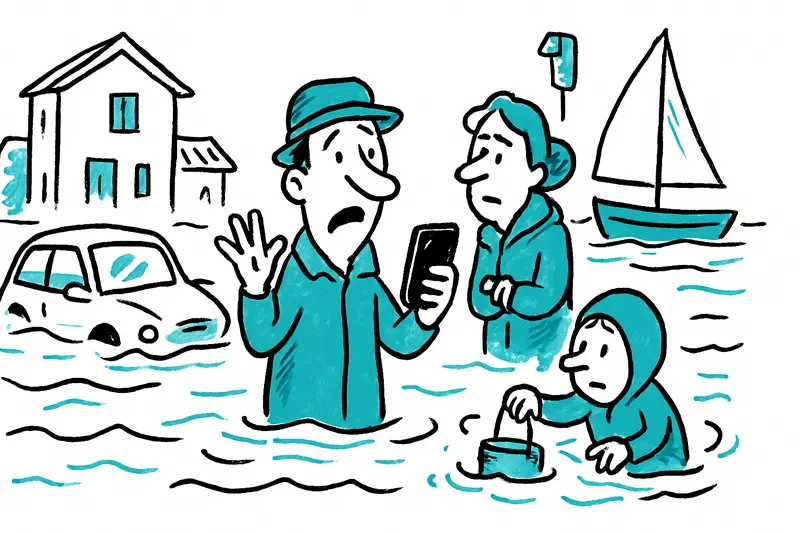
When the Village Street Became a Flood: What Storm Adam Reveals About Mallorca's Vulnerability
Roaring water turned Carrer de Palma in Consell into a torrent on 19 October; on the coast beachgoers helped prevent a s...
Krümel in a celebratory mood: How Peguera danced at the season closing
With accordion, glitter and an international audience: Marion "Krümel" Pfaff combined her birthday with the season-closi...
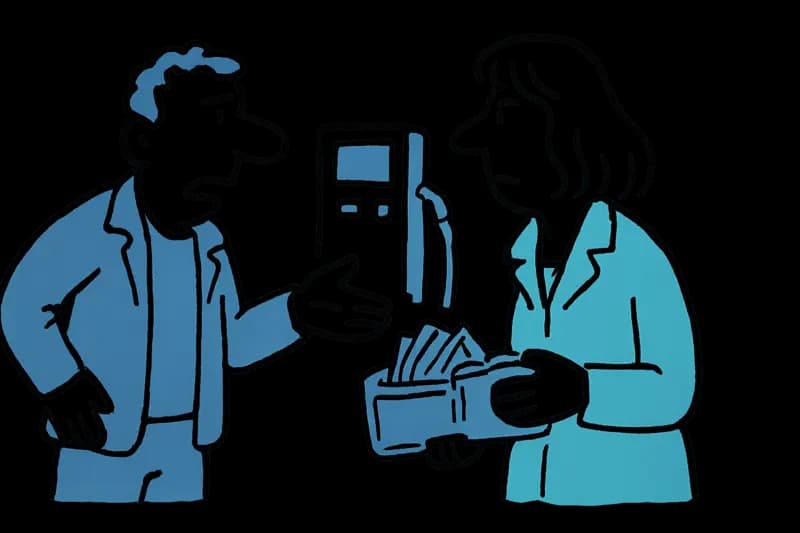
Probation sentence after 575 euros taken from a wallet in Marratxí: Is returning the money a mitigating factor?
A woman took 575 euros from a wallet left at a Marratxí gas station. She confessed, returned the money and received a fo...
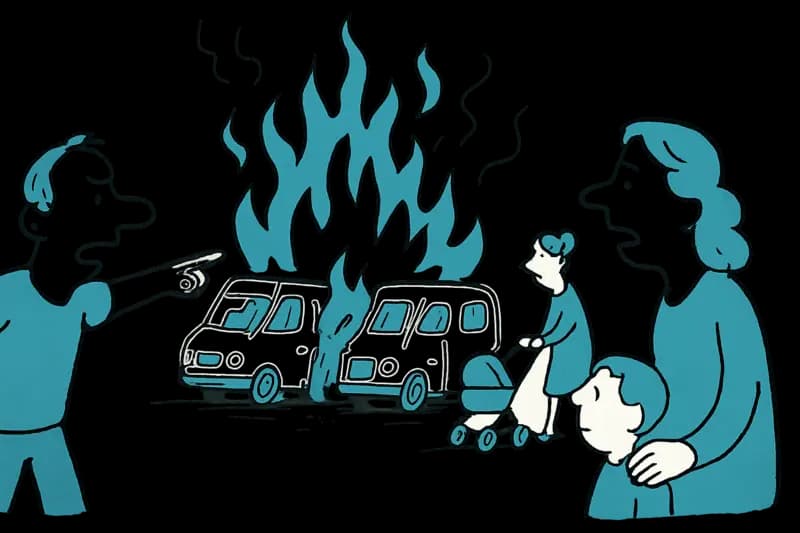
Fire at the Son Hugo Parking Lot: When a Neighbourhood Dispute Becomes a Fire Catastrophe
Three motorhomes in the parking lot by the Son Hugo indoor pool burned out completely. Police suspect arson following a ...
DANA on the Way: When Mallorca Will Get Wet and Stormy — and How We Should Respond
AEMET announces a DANA: From Sunday onward, locally very heavy, persistent rainfall, thunderstorms and strong winds are ...
More to explore
Discover more interesting content

Can Cap de Bou

Townhouse Lleo 72
