

Gibraltar border opening: The celebration is over — what is still missing?
Gibraltar border opening: The celebration is over — what is still missing?
The removal of the metal fence and the abolition of controls change more than just tourist routes. Key question: Who will regulate everyday life, the flow of goods and security at the new border?
Gibraltar border opening: The celebration is over — what is still missing?
Key question: How will everyday life, the economy and security actually be regulated now that the fence is gone and the controls have been lifted?
What happened
On Wednesday night a border was effectively dissolved: the metal barrier from 1908 is being dismantled and, from that moment, the rules of the Schengen Area apply to passenger traffic. Hundreds of people took the opportunity, crossing on foot or driving across the border shortly after midnight. From the provided fact package we know that Spain's foreign minister called the step historic and a spokesperson for the British prime minister spoke of an agreement to secure passenger and goods traffic in the long term. The result of the 2016 referendum also remains in people's memories: a clear majority of Gibraltar residents back then had wished to remain in the EU.
Critical analysis: What the headlines alone do not clarify
The images of celebrants are important, but they tell only part of the story. When controls disappear, new shifts occur: Where will customs checks for goods take place in the future? How will commuters' travel be documented? Which rules apply to vehicle and goods inspections if the land border is open but airports and ports continue to follow national regulations? Without clear procedures there is a risk of traffic jams, uncertainty for truck drivers and problems for small traders along the border.
The question of sovereignty remains present in the background. Historical facts — occupation in 1704, Treaty of Utrecht 1713 — stand alongside current political claims. For people living at the border the legal wrangling is less abstract than the urban planning problem: traffic planning, police cooperation and social services must be newly coordinated.
What is often missing in the public debate
There is rarely concrete discussion about the situation in border towns like La Línea de la Concepción: jobs, local tax revenues, infrastructure costs. Equally invisible are questions about practical police and judicial cooperation: How will law enforcement, prisoner transfers or joint manhunts work in the future? And: what does the opening mean for ecological pressure on sensitive coastal zones and for the famous Barbary macaques that attract visitors? (See Balearic Islands plan to limit visitors.)
An everyday scenario from Mallorca
I am sitting on a hot morning at Passeig del Born in Palma. Scooters buzz, vendors call out, and a group of tourists plans a trip to the airport. For most people here the news of the opened border feels far away — but the experience with airport security, luggage and delays shows: border rules can ruin or save the day (for example, a car broke through the airport fence near Palma runway). Likewise, a poorly planned opening can increase truck travel times along the A-7 and disrupt supply chains until new procedures settle in.
Concrete proposals
1. Establish bilateral coordination centers: Mobile teams composed of customs, police and border guards on both sides to coordinate and resolve jams and problems quickly.
2. Commuter cards and digital verification: A simple commuter registration usable on smartphones reduces questions at the border and protects workers.
3. Relocated customs points instead of improvised checks: Fixed control points at ports and border crossings for goods traffic prevent traffic chaos in town centers (see how Mallorca's ports are turning into improvised reception centres).
4. Joint environmental monitoring: Green zones and coastal sections need coordinated protection measures so that tourism pressure does not lead to erosion or waste problems.
5. Public information: Clear, multilingual information for commuters, hauliers and tourists — online and on site — reduces uncertainty.
Conclusion
The images of people crossing the border at night and celebrating the removal of the old fence are powerful. But they sit alongside a list of practical problems that still need to be solved: customs, commuter rights, police cooperation and environmental protection. If Madrid and London cooperate not just symbolically but organizationally, the border opening can bring real relief for people on both sides. Will it remain only a historic moment, or will it become the basis for a functioning everyday reality? That is the question now in urgent need of fast, concrete answers.
Frequently asked questions
When is the best time to visit Mallorca for outdoor activities?
What should I pack for a Mallorca beach trip?
Is Mallorca family-friendly, and what activities suit kids?
What makes Palma de Mallorca a good base for exploring the island?
What are some must-see beaches on Mallorca’s northwest coast?
How does Mallorca's weather vary across the year?
What is the best way to get around Mallorca?
Are there scenic hiking routes in Mallorca suitable for beginners?
Similar News
Failed before the first flight: How Fischer Air's plans for Palma were ground down
Announced routes, repeated postponements and now apparent insolvency: Why the Fischer Air project for Mallorca is not me...
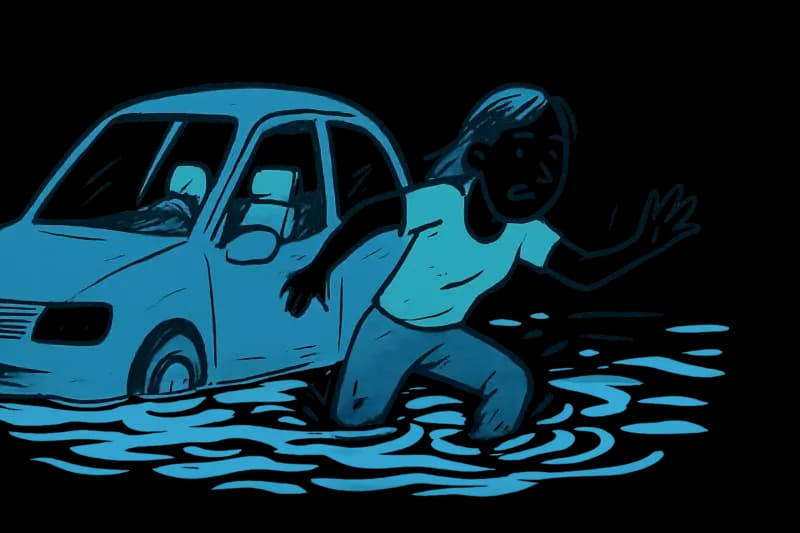
Seconds in the Water: 19-year-old Fights Her Way Out of Flooded Car in Palma
A 19-year-old managed to rescue herself from her half-submerged car after sliding under the Verge de Lluc underpass. Res...

Between Dream and Reality: Thorsten Legat and the Challenges of FC Germania Mallorca
The former Bundesliga pro has assembled a colorful squad in a short time. But how realistic is the grand plan for promot...
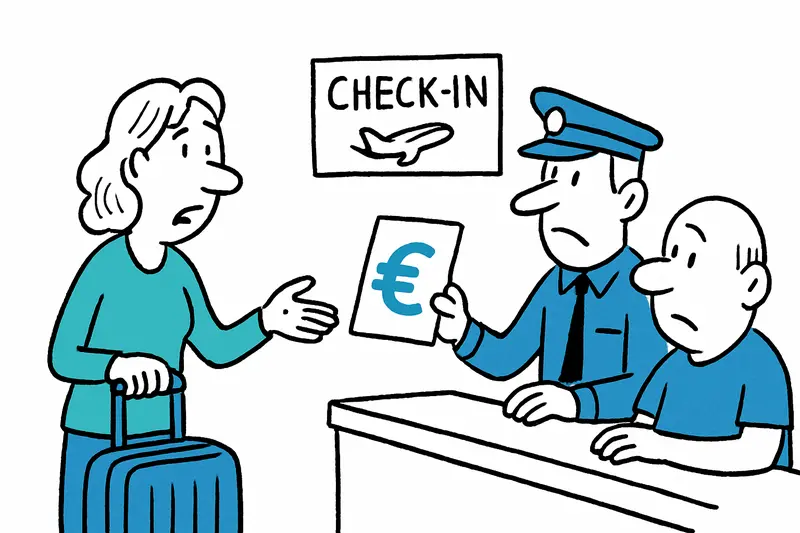
Arrest warrant at check-in: Why two travelers at Cologne/Bonn Airport suddenly had to pay
At Cologne/Bonn Airport, federal police in mid-September found two German passengers subject to enforcement measures. Bo...
Balearic Islands as a New Route: A Reality Check on Rising Boat Migration
For the first time the Balearic Islands are ahead of the Canary Islands in boat arrivals. What do the numbers really say...
More to explore
Discover more interesting content

Can Cap de Bou

Townhouse Lleo 72
