
Head-on crash on the Camí dels Reis: Three seriously injured – who will make the road safer?
Head-on crash on the Camí dels Reis: Three seriously injured – who will make the road safer?
In the night a car collided head-on with a taxi on the Camí dels Reis bypass. The taxi driver is critically injured in Son Espases. A sober assessment of what Palma's night traffic lacks and how such accidents can be prevented.
Head-on crash on the Camí dels Reis: Three seriously injured – who will make the road safer?
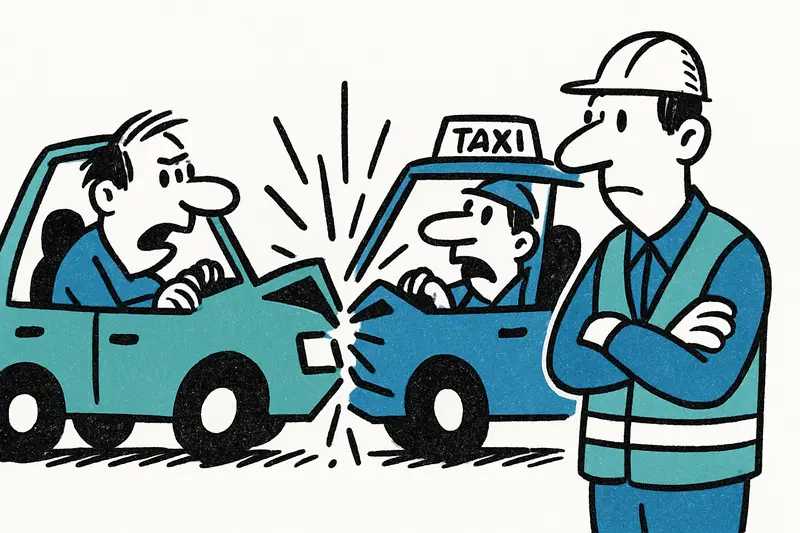
In the early hours of Saturday, a serious traffic accident occurred on the Camí dels Reis in Palma. Between the Son Espases hospital and the roundabout at the Son Castelló industrial area, a car and a taxi collided head-on at around 00:25. Three people were seriously injured; the taxi driver had to be taken to Son Espases after being freed from his vehicle and, according to information from the night, is in a very serious condition.
Key question
Why do such severe accidents keep happening in this area, and who is responsible for making the route safer at night?
Critical analysis
The facts are limited but decisive: a vehicle apparently crossed the center line and hit a taxi that was traveling without passengers. Palma firefighters used hydraulic rescue equipment to free the trapped person. Ambulances from emergency service 061 and local police units secured the scene. The police have opened an investigation and plan to carry out alcohol tests as soon as the condition of the injured permits. Possible causes mentioned include wet road surface and excessive speed, as in the Head-on crash near Andratx: Three injured on the MA-1 — alcohol test positive.
That is a plausible combination, but the explanation alone is not enough. Many roads have nighttime hazards: glaring headlights, poorly visible road profile after rain, and fatigued drivers. On the Camí dels Reis section all these factors come together – it is a bypass road with relatively high speeds, but also proximity to hospitals and industry, meaning mixed traffic from patient transport, delivery vehicles and night-time revelers, and similar incidents have occurred elsewhere, such as the Head-on Crash on the Ma-11: Three Injured — and the Uncomfortable Question of Greater Safety.
What is missing from the public debate
In conversations after an accident it is often noticeable that two points receive little attention: first, infrastructure maintenance (drainage, lane markings, lighting), second, prevention of risk-increasing driving behavior at night. Announcing tests afterwards is not enough. Permanent controls, targeted speed reductions at critical points and better road design are discussed far too rarely.
Everyday scene from Mallorca
Imagine the Camí dels Reis on a rainy morning: ambulances heading to Son Espases, taxi drivers waiting for customers, a delivery van honking, pedestrians with umbrellas hurrying to the bus – the road is not a racetrack but a steady flow of people and work. In the evening, when the bustle subsides, visibility and rhythm change: only the yellow of the streetlights and the sound of the rain remain. It is precisely then that accidents occur that destroy lives.
Concrete solutions
From the mix of the accident pattern and local conditions, concrete measures can be derived:
1) Improve visibility and lighting: conspicuous markings, reflectors on guardrails and additional streetlights at critical sections reduce misjudgments in rain and darkness.
2) Strengthen speed control: mobile speed measurement units at night, increased police patrols and targeted speed cameras where accidents repeatedly occur, measures promoted by the Dirección General de Tráfico (DGT).
3) Inspect road surface and drainage: monitor water levels in drains, remove potholes and debris – wet spots are often underestimated.
4) Education and industry obligations: taxi companies and delivery services should offer refresher courses for night driving; courses on maintaining distance, speed and handling aquaplaning are useful.
5) Rapid first response: promote first-aid courses for residents, professional drivers and taxi colleagues; every minute counts until rescue services arrive.
Who must do it?
It is not the police's task alone, even though they enforce the legal framework. Cities and municipalities are responsible for infrastructure, road authorities for drainage and markings, and employers in the transport sector for training. A coordinated analysis of accident clusters along the Camí dels Reis would be a first step: where exactly do accidents happen, at what time of day, and involving which vehicle types, as was recommended after the Fatal head-on crash near Alcúdia: What needs to change on the MA-3460?.
Pointed conclusion
An accident like this is not a capricious coincidence but often the result of many small failures. We can wait for more people to be injured – or we can start systematically addressing the obvious weaknesses. Anyone who moves around Palma at night knows the spot: a bit more lighting, a few reflectors, controlled speed sections and more presence could save lives. The question remains: how long will the responsible parties wait to act?
Frequently asked questions
Why do serious night-time crashes happen on the Camí dels Reis in Palma?
What should I check before driving in Mallorca at night after rain?
How safe is the Camí dels Reis in Palma for everyday traffic?
Who is responsible for making roads safer in Mallorca after repeated crashes?
What can make a head-on collision more likely on Mallorca roads?
What improvements could make the Camí dels Reis safer in Palma?
Why are taxi drivers at special risk on Palma roads at night?
What should residents of Palma do if they witness a serious crash?
Similar News

The Painter Who Invented Himself: How a Young Viennese Drew Mallorca
A hundred years ago a 19-year-old draftsman arrived in El Terreno. His diary and sheets, long known under the pseudonym ...
Released with Conditions: The Plus Ultra Suspicion and a Mallorcan Finca as Residence
A Dutch entrepreneur, sought in connection with the Plus Ultra case, was extradited to Spain after his arrest in Germany...

Haute Nuit in Puerto Portals: Fashion, Art and Indulgence by the Water
On October 2 the Lobster Club in Puerto Portals will be transformed into a stage for curated fashion, art and culinary e...
Magaluf: Watchtower Alarm – Lifeguards Pull Unconscious Beachgoer from the Water
After a drama in the late afternoon, two lifeguards at Magaluf beach rescued an unconscious 44-year-old man. He was stab...
Turquoise in the City: How dangerous is the color play of the Sa Riera?
The Sa Riera in Palma suddenly turned turquoise — a pretty motif, but behind the effect lies a discharge of saline waste...
More to explore
Discover more interesting content

Can Cap de Bou

Townhouse Lleo 72
