
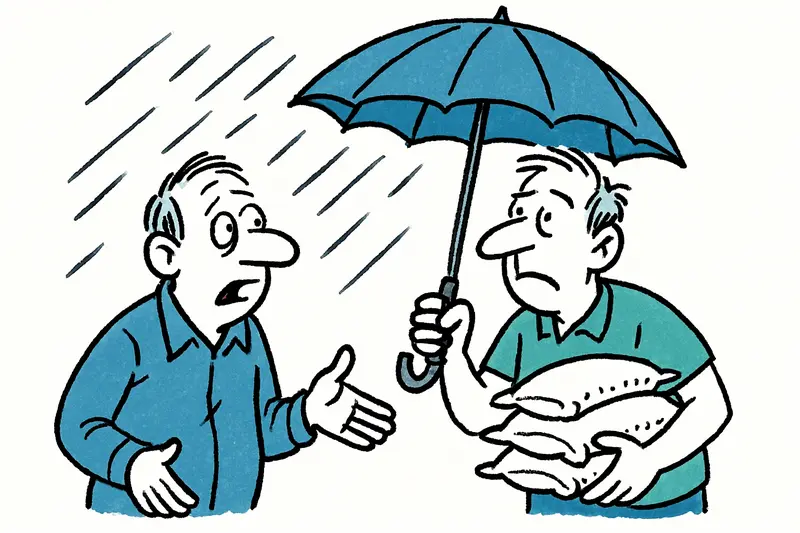
Heavy Rain Warning: Are we ready for the wet weekend in Mallorca?
Heavy Rain Warning: Are we ready for the wet weekend in Mallorca?
AEMET issues a yellow alert for Saturday: heavy rain in the southwest and southeast, followed by showery thunderstorms across the island. A reality check for municipalities and everyday life.
Heavy Rain Warning: Are we ready for the wet weekend in Mallorca?
The weather forecast is clear enough: AEMET has issued a warning for heavy rainfall for Saturday, 17 January (Yellow Storm Warning: How Well Is Mallorca Prepared for Heavy Rain?). Initially affected are the southwest and southeast of the island; the alert is in force from early morning until midnight and may be extended if necessary. Between Saturday morning and Sunday midday the national service expects showers and thunderstorms across the entire island; the snow line will rise to around 1,400 metres, and for context see Storm alert on Friday: Is Mallorca prepared for heavy rain?.
Key question
What consequences does this have for people, roads and infrastructure — and have we done enough in Mallorca this time to avoid greater damage?
Critical analysis
At first glance the warning level 'yellow' seems moderate. But on the island even prolonged rain in a short time causes problems: clogged gutters, flooded town centres, muddy farm tracks and landslides in remote areas. Many municipalities have made targeted improvements in recent years, but comprehensive checks of streams, road drains and manhole covers are not carried out everywhere in a timely manner. The result: water finds its way to places we least expect.
Add to that the seasonal situation: only a few days ago temperatures at some stations rose to around 20 degrees — places like Artà, Muro, Port de Pollença, Colònia de Sant Pere, Manacor and Campos reported unusually warm values. Such rapid shifts from mild to wet test the resilience of soils and infrastructure. Dense early fog recently caused delays at the airport; visibility problems combined with precipitation are a complicated package for traffic and emergency services.
What is missing in the public debate
The discussion often stops at the warning message: 'AEMET says rain'; then follows a call to be vigilant. But concrete information for specific groups is missing: Which side roads are particularly slippery? Where does water accumulate first during heavy rain? Are there temporary detours for farmers using small tracks? How are nursing homes and schools informed? And finally: who checks the inflows to urban sewage systems before the rain comes?
An everyday scene from Mallorca
I walked along Passeig Mallorca yesterday; the wind tousled the last palm leaves and in the street cafés waiters stacked chairs at the front of the tables. At the weekly market in Inca vegetable growers talked about eaten-away fields and how quickly a farm track becomes impassable during prolonged rain. Such scenes show that weather is not just statistics but affects the daily lives of vendors, bus drivers and parents.
Concrete approaches
For the next days and future heavy-rain events I recommend a mix of short-term measures and medium-term planning:
- Households: Check gutters and downspouts, have rain barrels or buckets ready, clear open spaces in front of the house from leaves. Do not park vehicles in depressions or directly under decaying drains.
- Municipalities: Carry out inspection rounds at known bottlenecks (underpasses, bridges, market areas). Mobile warning boards and info SMS to residents in low-lying neighbourhoods. Store sandbags at critical points before the rain.
- Transport: Bus companies should have alternative routes ready, especially in the Tramuntana footpaths and mountain switchbacks. Airports and ports should coordinate situation reports closely with road maintenance crews.
- Agriculture: Secure access paths to stables and storage, check drainage and secure loose equipment. Short communication chains between municipalities and farmers can help to react quickly to flooding.
- Authorities: Publish transparent situation maps so citizens can see which roads are at risk. Keep emergency teams ready to clear roads during floods and check manhole covers.
Practical tips for the next 48 hours
Those who act quickly now reduce the risk: have torches and power banks ready, store medication for several days in a dry place, check supplies. For drivers: keep distance, avoid streams of water on the road and allow for longer braking distances. For walkers and cyclists: wear sturdy shoes and stay away from coastal paths when thunderstorms are forecast.
Concise conclusion
The weather has once again shown how quickly calm can turn into unrest. AEMET gives us advance warning — that is an advantage, as discussed in Orange Alert in Mallorca: What the AEMET Warning Means for the Island, Roads and Tourism. What matters now is not only information but action: a few concrete steps at home, coordinated inspections in municipalities, practical advice for police, bus companies and farmers. If everyone rolls up their sleeves in a few places, Mallorca will be wet but not helpless.
Frequently asked questions
Will it rain heavily in Mallorca this weekend?
Is it safe to drive in Mallorca during heavy rain?
What should I do at home before heavy rain in Mallorca?
Can thunderstorms affect the whole of Mallorca?
What does a yellow weather warning mean in Mallorca?
Are roads and underpasses in Mallorca at risk of flooding?
What should farmers in Mallorca do before heavy rain?
How can people in Inca or other market towns prepare for wet weather?
Similar News

Rental Car Theft in El Arenal: What This Incident Reveals About Our Gaps
A teenager steals a running rental car in El Arenal, flees on foot, climbs over walls and is caught by the Guardia Civil...
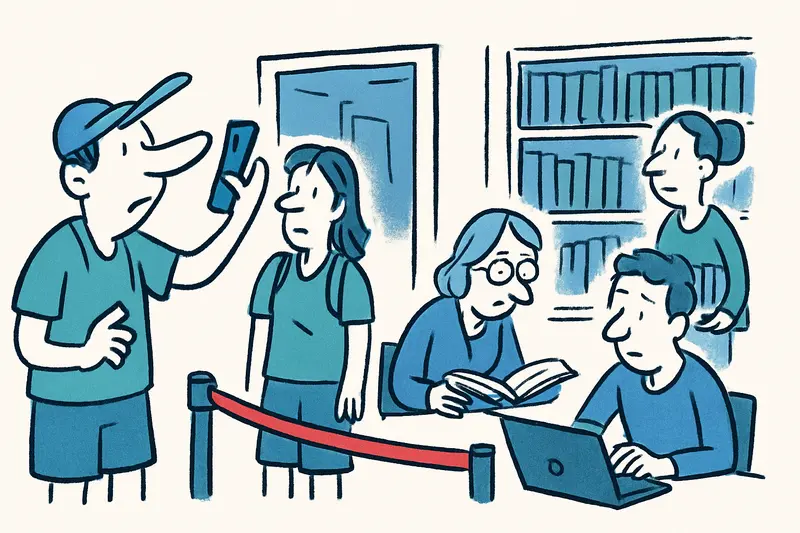
Red Rope in Palma's Library: What Helps Against Selfie Tourism — and What's Missing
Palma's city library cordoned off an area with a red rope to keep selfie tourism away from reading and working activitie...
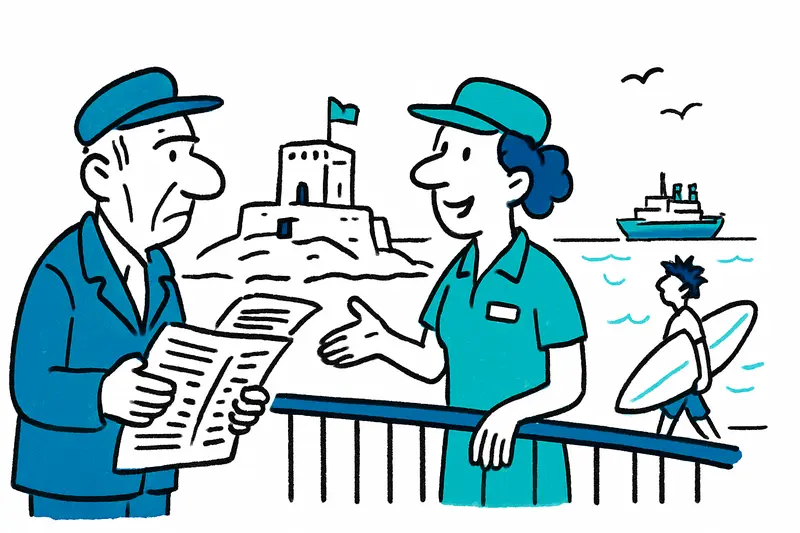
Fort San Carlos: Museum, Harbor Dispute — and a Conflict That Demands Answers
The military museum at Fort San Carlos sits right on Palma's harbor, with unexpectedly quiet rooms filled with cannons a...
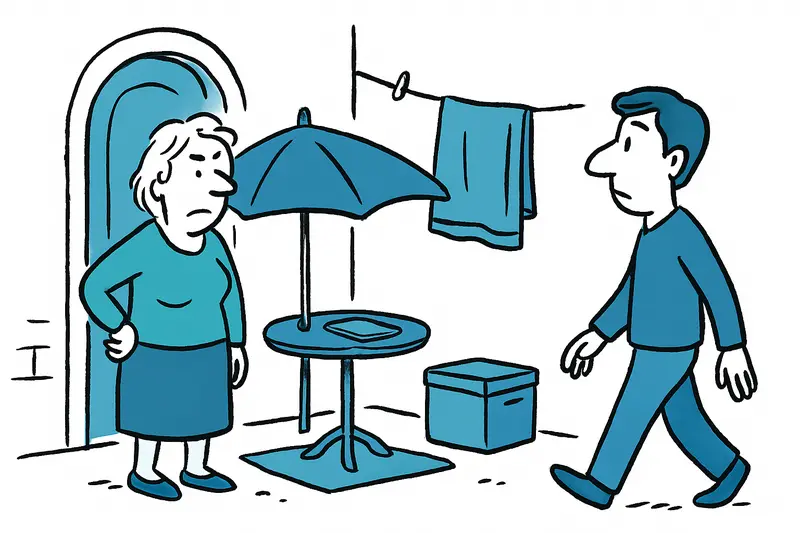
Old Town Under Pressure: When a Doorway Becomes a Sleeping and Shower Place
For months a woman has been living with a parasol, a clothes rack and personal belongings next to the social welfare off...
When Shopping Weighs Heavier: Mallorca Demands a Tax Pause on Food and Fuel
Rising prices are putting pressure on households and agriculture. The Balearic Islands are calling for temporary tax rel...
More to explore
Discover more interesting content

Can Cap de Bou

Townhouse Lleo 72
