
Hoteliers Send Thanks to Guests — New Campaign Calls for Consideration on Mallorca
Hoteliers Send Thanks to Guests — New Campaign Calls for Consideration on Mallorca
With the message "This is your holiday, this is our home – Let's all care" Mallorca's hoteliers are launching a summer campaign. It's not just about advertising but about gratitude and consideration — small gestures, big impact for island residents and businesses.
Hoteliers Send Thanks to Guests — New Campaign Calls for Consideration on Mallorca
"This is your holiday, this is our home – Let's all care" appears on posters this summer
When delivery vans roll along the Passeig Marítim early in the morning and café chairs clink, you notice: the island is waking — and with it the summer season. Mallorca's hotel businesses now have a message that focuses on this everyday scene: travelers should enjoy their holidays but at the same time respect the island as the home of its people. The hotel association FEHM has launched a campaign with the English slogan "This is your holiday, this is our home – Let's all care."
The idea behind it sounds simple but is practical: in the coming weeks notices expressing gratitude and encouraging consideration will be visible on many main roads, promenades and in neighborhoods. Hoteliers do not see this as pure marketing but as an invitation to coexistence — guests should feel welcome, and locals should be able to keep their daily lives. Such conversations and debates about hotel practice are also discussed in Hoteliers See Room for Price Increases – Who Will Foot the Bill in Mallorca?.
Association spokesman Javier Vich puts it this way: it's about finding a balance between holiday enjoyment and the everyday life of the island's residents. Not loudly, not lecturing, but with appreciation. This attitude is also reflected in conversations with hoteliers while walking through Palma: on the Plaza Mayor restaurateurs say that regular customers and tourists get along well when both sides give a little.
Why is this good for Mallorca? In short: travelers who behave empathetically help ensure that income is distributed more evenly. Fewer complaints about noise and litter mean fewer tensions, and hosts perceived as responsible have better chances of repeat visitors and longer stays. Operators therefore hope not only for stable bookings in the high season but also for an extension of the season into the shoulder months, a development discussed in More guests from Austria, Poland and Switzerland: Rescue for Mallorca's off-season?.
The campaign also brings practical suggestions. Simple rules of conduct are highlighted: dispose of rubbish properly, respect quiet times, try local shops and pay attention to the language — a simple "bona nit" in the evening opens doors. Such small gestures help strengthen the image of the respectful guest and create positive encounters on promenades or village squares.
As an everyday observation: on the way from the harbour to the Mercat de l’Olivar you now more often hear guests asking for recommendations — not just for beach bars, but for bakeries that bake fresh early or for family-run restaurants in the side streets. This demand is a good sign; it spreads tourist revenue more broadly than before.
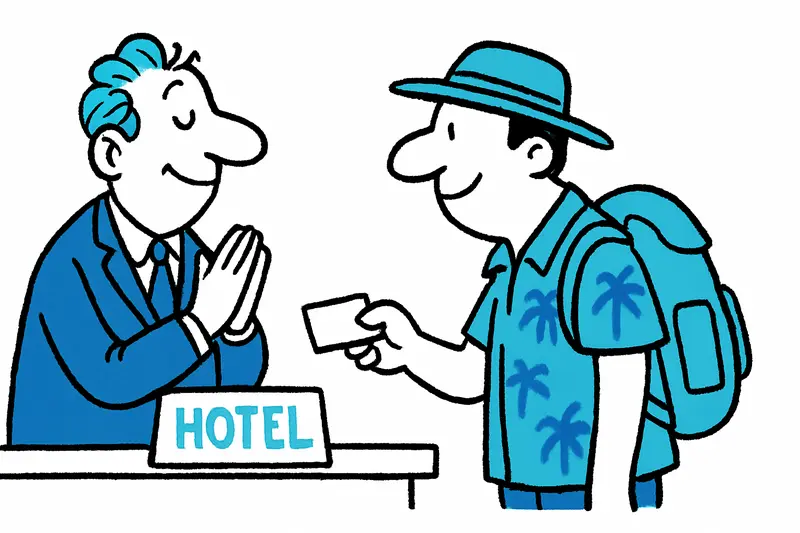
Concrete inspiration for holidaymakers: don't always have breakfast at the hotel buffet, but once try a small bar in a residential neighbourhood; separate rubbish where possible; leave shell beaches clean on the way back from the beach. For hosts, a clear, friendly note at check-in is worthwhile: a short explanation of local rules and a thank you for consideration — that sticks better than any brochure. The wider context of hotel industry expectations and pricing strategies is covered in Hoteliers Expect Further Price Increases — What It Means for Mallorca.
In the end the message is simple and human: Mallorca wants visitors who treat the island with respect — and hosts who return that respect with openness. When in the evening the streetlights bathe the promenade in warm light and you hear the distant roar of the sea, that's a state everyone — locals and guests alike — would like to preserve. The new campaign aims to contribute exactly to that: joy in holiday combined with consideration for the home of many people.
What remains: Small manners, genuine curiosity about local life and a friendly thank-you can change a lot. A summer in which both go together would be a gain for Mallorca.
Frequently asked questions
What is the weather usually like in Mallorca in winter?
Can you swim in Mallorca outside the summer season?
What should I pack for a trip to Mallorca in the off-season?
Is Mallorca a good place to visit in winter?
What is the weather like in Palma de Mallorca in January?
Is Sóller worth visiting in the cooler months?
What is Port de Pollença like in the shoulder season?
When is the best time to visit Mallorca for quieter weather and fewer crowds?
Similar News
Magaluf: Watchtower Alarm – Lifeguards Pull Unconscious Beachgoer from the Water
After a drama in the late afternoon, two lifeguards at Magaluf beach rescued an unconscious 44-year-old man. He was stab...
Turquoise in the City: How dangerous is the color play of the Sa Riera?
The Sa Riera in Palma suddenly turned turquoise — a pretty motif, but behind the effect lies a discharge of saline waste...

Jeckliner at Sunnesching: Cologne spirit sets sail from Palma
In September 2027 the Mein Schiff 2 briefly becomes a floating carnival stage: four days with Cologne bands, comedy and ...
Finally Home: Mike and Leyla Heiter Buy Villa with Sea View in Mallorca
The reality TV couple Mike and Leyla Heiter have bought a house in Mallorca with a roof terrace and sea view. An Instagr...
Arrest after series in Palma: Who protects apartments from repeat offenders?
The National Police arrested a man in Palma who investigators say may have broken into several apartments. In one incide...
More to explore
Discover more interesting content

Can Cap de Bou

Townhouse Lleo 72
