
Hidden in the Car: How 35 Kilograms of Drugs Were Stored on Ibiza – a Reality Check
Hidden in the Car: How 35 Kilograms of Drugs Were Stored on Ibiza – a Reality Check
National Police find 27.75 kg ketamine, 7.2 kg cocaine, 42 g hashish, €22,000 and mobile phones in a parked car in Ibiza town. What's behind the system?
Hidden in the Car: How 35 Kilograms of Drugs Were Stored on Ibiza – a Reality Check
Arrest of a German on Ibiza raises questions about logistics, controls and prevention
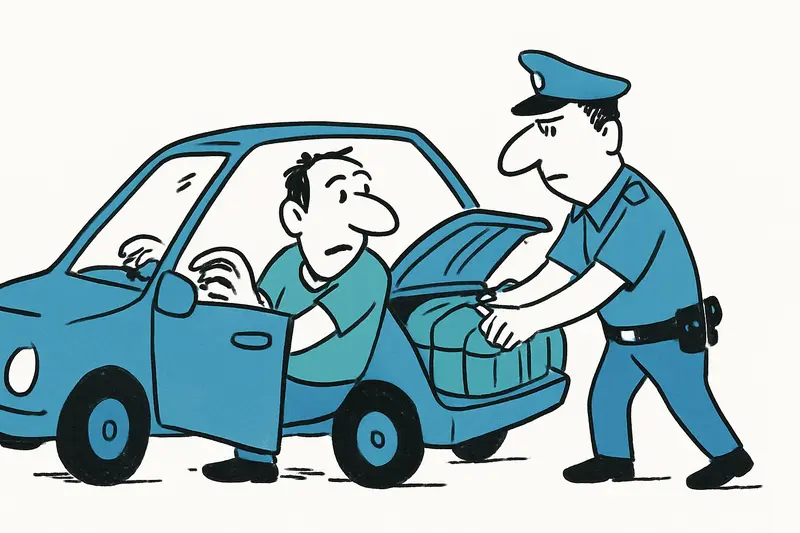
The National Police stopped a man in Ibiza town who had apparently come to the island specifically for the summer season to distribute drugs. In his parked car, left in the garage of a residential complex, investigators discovered an elaborate concealment system and seized, according to authorities, 27.75 kilograms of ketamine, 7.2 kilograms of cocaine, 42 grams of hashish, around €22,000 in cash and several mobile phones. The suspect was brought before an examining magistrate; preliminary detention was ordered.
Key question: How can it happen that such large quantities of narcotics are stored almost undisturbed on such a compact island? The answer lies not only in the act itself but in the gaps between police work, neighbourhood reports and cross-border organization (see 675 Kilos of Cocaine: What the Find Means for Palma, Inca and Binissalem).
Critical analysis: The find in a private car shows two things. First: vehicles remain a logistical backbone for dealers – they are mobile, anonymous and can be fitted with hidden compartments. Second: seasonal peaks – Ibiza fills with visitors in summer, supply chains run at high capacity, and demand rises at the same time. Investigators can follow up leads, but the opposing forces are often organized enough to shift tactics: from rental cars to parked private vehicles, from open meeting places to locked garages.
What is often missing from public debate: the perspective of residents. In the early morning hours the street in Ibiza town still belongs to bakers and cleaning crews; in the evening tourist voices, scooters and the siren of an emergency vehicle mix in. A garage in an otherwise quiet complex only becomes noticeable when its door is opened unusually often or a new license plate is seen repeatedly. Such observations are often absent from official announcements – yet they are valuable clues (for context see Half a Tonne of Cocaine at Playa d'en Bossa: Who Benefits — and What Must Change?).
Everyday image of the island: a neighbour in flip‑flops who notices the arrival of a delivery van over his coffee, a cleaner who spots a package again, or the concierge of an apartment complex who notices a car with unfamiliar plates – this is where the groundwork for successful investigations begins. If these eyes and ears are not involved or hold back out of fear, authorities only react when larger quantities have already been distributed.
Concrete solutions: First, increase coordination between local police units and the National Police so that exchanged information quickly leads to targeted controls. Second, strengthened checks on vehicles in secured garages and parking facilities, without unjustified searches – the balance between security and privacy is delicate, but technical aids such as license-plate matching and targeted surveillance can help. Third, financial investigations: the seizure of around €22,000 in cash shows that money flows exist; electronic tracking of payments and cooperation with German authorities can reveal networks.
Fourth, expand community-based reporting systems: anonymous reporting channels for neighbours, caretakers or cleaning companies. Fifth, preventive measures on the demand side – awareness campaigns in bars, clubs and among event organizers about the risks of ketamine and cocaine, and low-threshold support offers for users so that demand does not only strengthen the black market.
Technically useful are also increased deployments of detection dogs, targeted vehicle searches on reasonable suspicion and laboratory capacities for rapid analysis of seized substances. At the international level, cooperation with German authorities remains important, because the arrest of a citizen always leaves a trail abroad (see Drugs, Millions and Suspected Abuse of Office: What the Major Operation in Mallorca Reveals).
What is missing in public discourse: a sober debate about why dealers use parking spaces and garages, and the social consequences for residents. Sanctions alone are not enough; transparency, prevention and resources for investigations that go beyond the immediate discovery are needed.
Conclusion: The arrest shows that police investigations can be effective. At the same time it is an indication that the island must not become a safe haven for organized drug trafficking. Without better information flows, without involving the neighbourhood and without targeted financial and logistical analysis, similar cases will reoccur. On Ibiza that means: more eyes, fewer blind spots – and not only during the summer season.
Frequently asked questions
What is the best time to visit Mallorca for good weather and fewer crowds?
What should I pack for a Mallorca trip to stay comfortable?
How can I get around Mallorca without a car?
Are Mallorca beaches swimmable year-round?
What are must-see towns or day trips in Mallorca?
What language do people speak in Mallorca and will I get by with English?
Is it safe to swim or snorkel in Mallorca’s coves?
What is Mallorca's weather like year-round and how should I plan activity days?
Similar News
When a Taxi Fare Dispute Turns Violent: What the Magaluf Case Reveals About Safety and Prevention
In Magaluf a 2023 dispute over a taxi fare escalated: an 18‑year‑old British man is accused of seriously injuring a taxi...
Bloody clash in Canòdrom Park: What is missing in addressing violence on Mallorca's streets?
At midday on October 23, an 18-year-old man was critically injured in Canòdrom Park in Palma. The attack raises question...
Palma raises bus fares: Who pays the bill for public transport?
Single tickets rise from €2 to €3, airport trips have a reference price of €4.50. It remains unclear whether residents w...
Palma's New Indoor Pool: Sea View, Sunbeds and Space for Everyone
At Aigua Dolça, near the Paseo Marítimo, Palma has a new municipal indoor pool. For a small fee people can now train, re...
How Four Burglars Emptied Ten Houses with a Simple Trick — and What It Means for Mallorca
Four men used the impressioning technique, posed as delivery workers and accepted two years in prison. A reality check f...
More to explore
Discover more interesting content

Can Cap de Bou

Townhouse Lleo 72
