
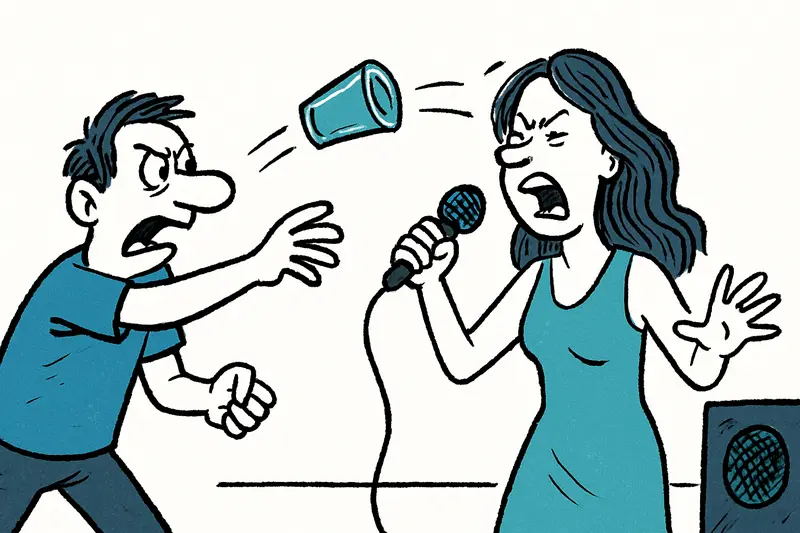
Really antisocial? Cup thrown hits singer — and why we should take a closer look
Really antisocial? Cup thrown hits singer — and why we should take a closer look
At a concert in Pfullendorf a plastic cup was thrown onto the stage and struck a spectator; the singer Isi Glück intends to press charges. A situational analysis: why such incidents are more than a footnote — and what organizers, audiences and artists can do.
Really antisocial? Cup thrown hits singer — and why we should take a closer look
Guiding question: When is a thrown cup still a dumb party escapade and when does it become a criminal offence?
At the weekend in Pfullendorf: a plastic cup flew from the front rows onto the stage, according to reports hit several people, and one guest was reportedly struck in the head. The artist, who regularly performs at the Megapark on Playa de Palma, expressed outrage and announced she plans to file a police report. Such short summaries can be found quickly — but the matter has several layers that we should examine.
First, the facts as they stand: the singer reported the incident on her Instagram account and called the behaviour "really antisocial." She also pointed out that she has previously pursued cup throwers legally. The location of the current incident was a Mallorca‑style party in Germany — nevertheless the topic concerns those of us on the island as well. Performers like her are part of the summer image of Playa de Palma, encountered on a Sunday stroll along Avenida Joan Miró as much as the clinking of glasses in the beach bars; for a recent example of Megapark controversy see Wendler at the Megapark.
Critical analysis: a single thrown cup may look harmless, but in aggregate it is a matter of danger potential and culture. If a drink container hits someone's face, it can have lasting consequences — from cuts to a concussion. Legally, this can be classified as bodily harm; it becomes criminally relevant if intent or gross negligence can be proven. For performers this is a real risk: stages are not safe zones, and proximity to the audience increases the risk of injury. Similar tragedies, such as the death of a young circus artist after a fall, underscore the point.
What is often missing in public debate is a sober discussion about responsibility beyond outrage posts and screenshot evidence. It is not just about isolated "idiots" in the crowd or the sensitivity of entertainers. Organizers, security, alcohol service, dancefloor layout and communication policies all interact. Also rarely discussed is how film and surveillance technology, witness statements and social media recordings can help identify perpetrators — provided they are used in a legally sound way; events can escalate quickly, as shown by an ejection in Palma that ended with a man climbing onto a club roof.
A commonplace scene from Mallorca: imagine a mild July evening at Playa de Palma. The promenade smells of frying potatoes and grilling, somewhere a crate of beer rattles, a DJ mixes Schlager beats. In front of the Megapark people press in colourful shirts, security staff in yellow vests are present, yet between party mood and alcohol a single moment can be enough for someone to cross the line of acceptability. That is precisely what makes event work in summer so complicated.
Concrete measures organisers and artists should consider now: 1) preventive announcements before each performance, clear and short, combined with consequences for throwing objects; 2) careful placement of security in the front rows with visible responsibility; 3) rules for beverage service — for example using fixed cups, limiting cup sizes and controlling quantities handed out; 4) video recording with notice signs so perpetrators can be identified in an emergency; 5) quick on‑site initial medical contact; 6) clearly communicated legal steps so potential offenders cannot rely on anonymity.
For artists: not every provocation needs to be answered with the same severity. Filing a report can make sense for deterrence and legal protection, but public exposure and social media should be used thoughtfully — too much hysteria helps neither victims nor accused. At the same time, agencies and managements should anchor emergency plans in contracts: who is liable, who pays for treatment, which safety standards are binding?
What politicians and regulatory authorities can do: define minimum standards for events during the high season — not a new regulation but a binding catalogue for crowd management, medical equipment and alcohol service. On Mallorca this would help prevent summer days on promenades like Avenida Gabriel Roca from becoming a lawless free space for misconduct.
Pointed conclusion: a thrown cup is rarely just a trifle. It can cause injuries, legal proceedings and reputational damage. Those who stand on stage deserve respect — and those who celebrate in the audience should know that fun ends where the physical integrity of others begins. More prevention, clear rules and a bit of civil courage in the crowd would change a lot.
Frequently asked questions
When is throwing a cup at a concert more than a prank and possibly a crime?
How can organizers reduce the risk of cup-throwing at summer events?
What roles do security and crowd management play in protecting performers at concerts?
How should spectators participate responsibly at Mallorca parties?
What measures can Megapark organizers implement to prevent cup-throwing?
How can safety policies help prevent incidents on Mallorca's Avenida Gabriel Roca promenade?
If an artist is harassed by a crowd at a Mallorca venue, what steps should they take?
How can surveillance and witness statements help identify offenders at Mallorca events?
Similar News
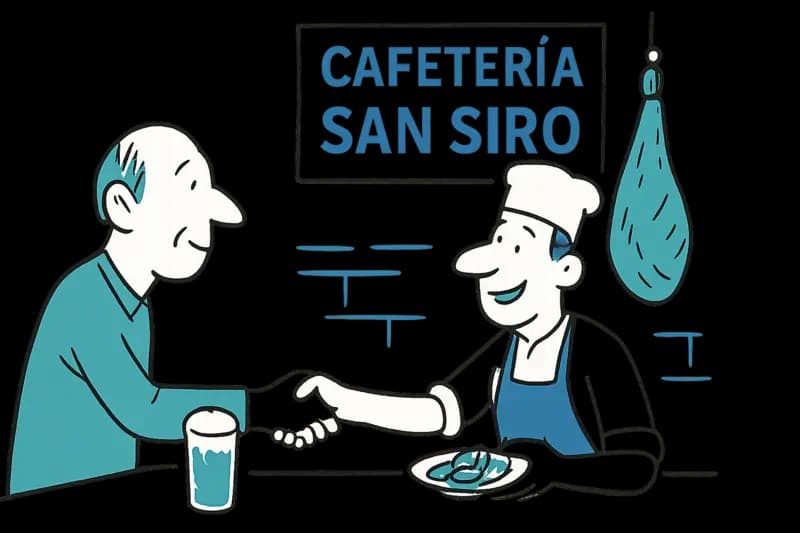
Cafetería San Siro: A Meeting Place on Schinken Street Since 1966
In the middle of Schinken Street, Cafetería San Siro has been offering Mallorcan hospitality for more than six decades —...
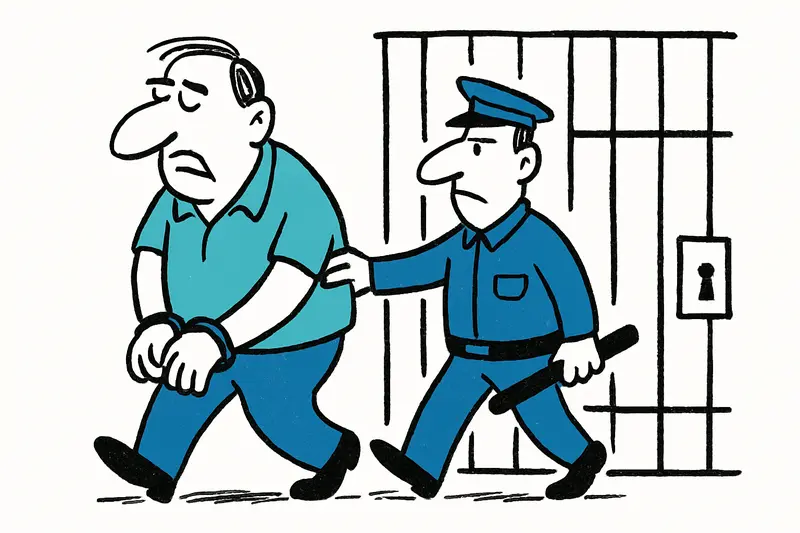
From Ballermann to Prison: What the Verdict Against the Femina Operator Means for Palma
The Munich Regional Court convicted a German operator for subsidy fraud. What does the verdict mean for the Femina Club,...
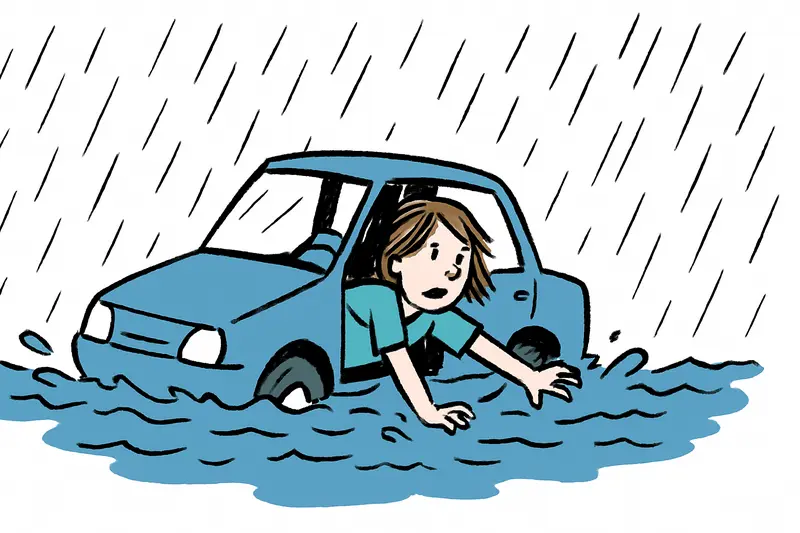
Underpass Verge de Lluc: 19-year-old fights her way out of flooded car – a warning sign for Palma
A 19-year-old recently escaped swimming from her car after the Verge de Lluc underpass held up to one and a half meters ...

When the Floodgates Open Again: Why Palma's Floods Aren't a Coincidence
A sudden heavy downpour around 5 p.m. brought Palma to a standstill: flooded streets, full basements, panicked commuters...
Playa de Palma: Life-saving at Balneario 11 – Lifeguards Act Quickly
A German holidaymaker suffered cardiac arrest at Playa de Palma. Lifeguards resuscitated her on the beach; emergency ser...
More to explore
Discover more interesting content

Can Cap de Bou

Townhouse Lleo 72
